Photo by Heng Chiu on Unsplash
Forget everything you know about shaved ice from a beach boardwalk. Japanese kakigori is a different animal entirely — snow-fine, cloud-light, and built around ingredients like matcha, seasonal fruit, and condensed milk rather than neon syrup. What used to be a simple summer treat at shrine festivals has, over the past decade, turned into a full-blown culinary obsession, with specialist shops queuing customers up before they even open. Here’s how to understand kakigori, when to go, and where to spend your money for the best bowl.
What Is Kakigori, Exactly?
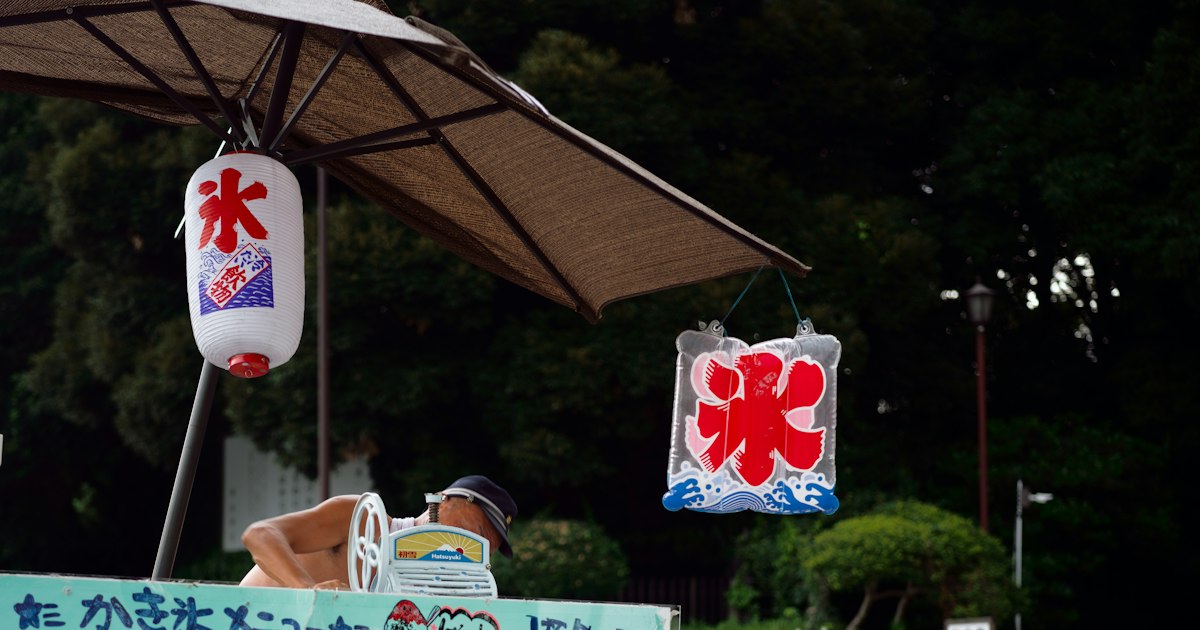
Kakigori (かき氷) is shaved ice, but the Japanese version is prized for its texture — ideally so fine it melts on contact with your tongue rather than crunching. The dessert has a surprisingly long history: it’s mentioned in Sei Shonagon’s 11th-century diary The Pillow Book, where she describes ice shavings drizzled with sweet amazura vine syrup as a luxury enjoyed by Heian-era nobility, since ice itself was rare and precious before refrigeration. The festival-stall version most visitors encounter today — a paper cup of ice doused in neon strawberry, lemon, or “blue Hawaii” syrup for around 300–500 yen — descends from that tradition, but a parallel high-end scene has exploded in Tokyo, Kyoto, and beyond, treating kakigori more like a dessert-tasting menu than a snack.
Natural Ice vs. Machine Ice: Why It Matters
The single biggest factor separating a forgettable kakigori from a memorable one is the ice itself. Most shops use ice frozen quickly in machines, which contains more air bubbles and shaves into slightly coarser flakes. The shops chasing perfection instead use tennennhyo (天然氷) — natural ice harvested slowly from outdoor ponds in winter, traditionally in places like Nikko in Tochigi Prefecture. Because it freezes gradually over weeks, natural ice is denser and purer, and it shaves into gossamer-thin ribbons that genuinely dissolve in your mouth rather than melting into a puddle of sugar water. If a shop advertises tennennhyo or names its ice supplier on the menu, that’s a strong signal you’re in serious kakigori territory — and usually worth the higher price and the wait.
Best Season and Timing to Go
Kakigori is fundamentally a warm-weather food: the season runs roughly from late April or May through September, peaking in July and August when Tokyo’s heat and humidity make a bowl of shaved ice feel essential. Popular artisan shops sell out of their daily ice supply by early afternoon in peak summer, so the real trick is timing — arrive on a weekday morning, ideally right at opening, since weekends can mean waits of an hour or more once word gets around on social media. A handful of shops now run kakigori through autumn and even winter with heated seating, positioning it as a dessert rather than a purely seasonal cooling snack, but availability and hours shift year to year, so check a shop’s social media accounts the morning of your visit before making a special trip.
Where to Try the Best Kakigori
Tokyo’s most famous destination is the Yanaka neighborhood, a quiet, low-rise area near Nippori Station (Yamanote and Keisei lines, about a 5-minute walk) that’s also worth visiting for its old shopping street, Yanaka Ginza. The area is home to some of the city’s most talked-about kakigori specialists, where shaved natural ice is piled over fresh seasonal fruit purees, matcha syrup made in-house, or hojicha and kinako (roasted soybean flour) for a more traditional flavor profile. Expect to wait — queues form before opening in summer — and expect to eat in, since kakigori is not a take-away food; it collapses within minutes of being shaved.
Beyond Tokyo, kyoto’s teahouses and cafés near the historic districts often serve excellent matcha or hojicha kakigori alongside classic sweets, and it pairs naturally with a day spent wandering somewhere green and unhurried, like the Arashiyama Bamboo Grove. If your trip takes you through Setouchi or the San’in coast, look for shops using local fruit — melon in Shizuoka-adjacent regions, or Tottori pears further west — since regional specialty kakigori often showcases produce you won’t find shaved into ice anywhere else.
Budget, Mid-Range, and Splurge Options
Kakigori spans a wide price range, and knowing which tier you’re in helps set expectations:
- Budget (300–600 yen): Festival stalls, convenience stores, and old-school shaved ice counters serving machine-made ice with bottled syrup. Fun, nostalgic, and perfectly refreshing, but not the fine-textured experience specialty shops are known for.
- Mid-range (900–1,800 yen): Café and dessert-shop kakigori using better ice and made-to-order syrups — matcha, black sugar (kokuto), strawberry puree, or condensed milk with anko (sweet red bean). This is the sweet spot for most visitors: real craftsmanship without a long commitment of time or money.
- Splurge (2,000–4,000+ yen): Natural-ice specialists piling on premium seasonal fruit — think whole strawberries, muskmelon, or white peach — sometimes with multiple layers of flavored ice and cream folded inside the bowl. These are the ones featured constantly on Japanese food shows and social media, and the ones worth planning a morning around. If you’re already the type of traveler chasing Japan’s fruit obsession, this is a natural extension of that interest — see our guide to fruit sando and Japan’s luxury fruit culture for more on why fruit here commands such reverence and such prices.
Common Mistakes to Avoid
A few things trip up first-time kakigori visitors. First, don’t show up in the late afternoon at a famous shop expecting to get in — many sell out of ice or stop taking orders once the day’s supply runs low, especially in August. Second, don’t order it to go; ask a shop for takeout and you’ll likely be politely told no, because the ice is meant to be eaten within minutes while it’s still fluffy. Third, resist stirring it like a slushie — the joy of good kakigori is in the contrast between the barely-frozen top layer and the flavor pooled at the bottom, so eat it as layered rather than mixing it into soup. Finally, don’t assume all kakigori is interchangeable with shave ice back home; the appeal here is specifically about texture, so if a bowl tastes icy or crunchy rather than snow-soft, you’ve likely hit a machine-ice shop rather than a specialist one.
A Sweet Souvenir Option
If you fall for kakigori and want to recreate it at home, small hand-crank shaved ice machines and bottled Japanese syrups (matcha, kuromitsu black sugar syrup, strawberry) are sold at general merchandise stores and larger supermarkets — the kind of find worth browsing for on a grocery run using our guide to Gyomu Super and local supermarkets. And if you’re building out a broader list of Japanese sweets to try beyond kakigori, don’t miss taiyaki and imagawayaki, the fish-shaped filled pastries that make an equally iconic — and far more portable — Japanese treat.