Photo by Hannes Knutsson on Unsplash
Japan has no shortage of theme parks, but if you’re choosing between a family-friendly day and a white-knuckle one, it usually comes down to two names: Legoland Japan in Nagoya and Fuji-Q Highland near Mount Fuji. They couldn’t be more different — one is built for kids under 12 with gentle rides and brick-building workshops, the other holds multiple world-record coasters and a horror house that makes grown adults tap out. Here’s what each actually costs, how to get there, and which one matches the trip you’re planning.
Legoland Japan: Built for Younger Kids
Legoland Japan sits on Kinjo Pier in Nagoya’s port area, about 24 minutes from Nagoya Station on the Aonami Line to Kinjo-futo Station, then a short walk. The park is split into themed zones — Bricktopia, Pirate Shores, Lego Ninjago World, Miniland with scaled-down Japanese landmarks rebuilt entirely from bricks — and nearly every ride is rated for riders as young as 2 or 3. There are a few mild coasters and a couple of water-splash rides, but nothing here is designed to scare anyone.
Opening hours typically run 10:00–17:00 on weekdays and slightly longer on weekends and holidays, though the park sometimes closes on a weekday (often Tuesday or Wednesday) during slower winter months — always check the exact calendar before you go, since it shifts month to month. One-day tickets use dynamic pricing tied to the date, roughly ¥4,000–5,500 for adults and somewhat less for children (ages 3–12), with discounts for advance online purchase versus walk-up. A combination ticket with the adjacent Sea Life Nagoya aquarium is worth considering if you have a full day to spend on the pier.
Legoland Japan Hotel sits right next to the park entrance, and staying there gets you early entry — genuinely useful in peak season when the park’s modest size means popular attractions queue up fast by late morning.
Fuji-Q Highland: Built for Thrill-Seekers
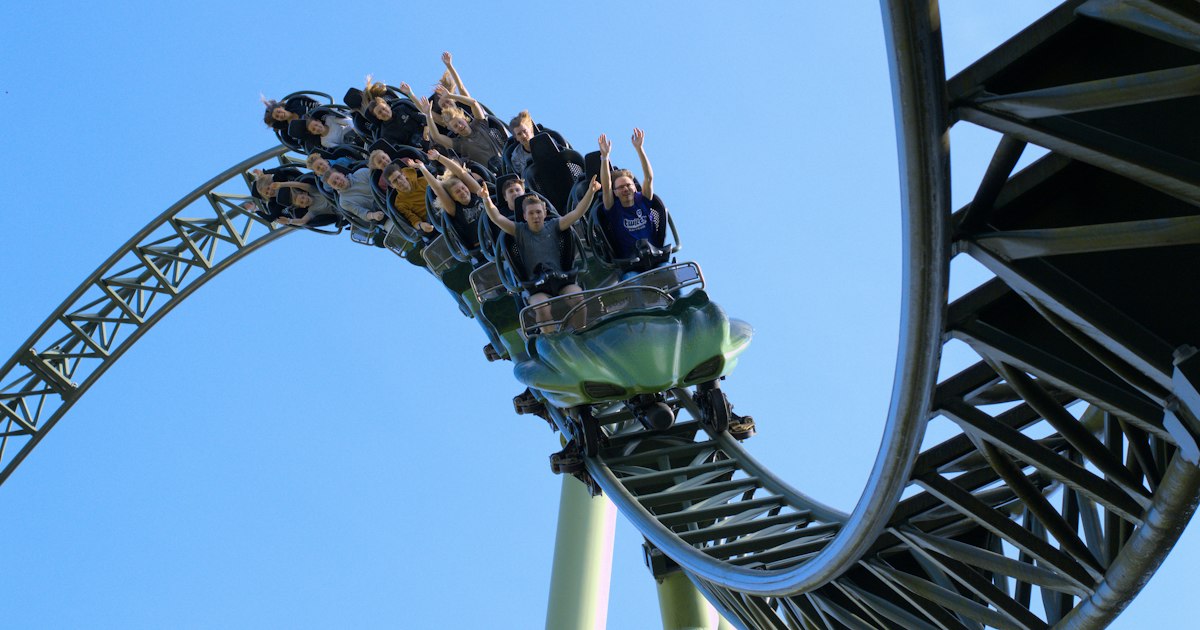
Fuji-Q Highland is in Fujiyoshida, Yamanashi, with Mount Fuji looming directly behind the park — on a clear day the view from the top of Fujiyama, one of its signature coasters, is as much the draw as the ride itself. This is a park built around records: Fujiyama was once the world’s tallest coaster, Takabisha holds a Guinness record for steepest drop, Eejanaika runs a 4D seat-rotation system, and Dodonpa (relaunched in 2023 with reduced top speed after a 2020 derailment) is still one of the hardest-launching coasters in the country. There’s also a dedicated Thomas Land section with gentle rides for younger children, so families with a mix of ages aren’t entirely out of luck.
Standard park hours run roughly 9:00–17:00, extending later in summer and shortening in winter — weekday and weekend hours also differ, so check the official calendar for your travel date. Entry-only admission is around ¥2,000–2,500, but almost everyone buys the Fuji-Q Highland “Free Pass,” which bundles entry with unlimited rides, generally in the ¥6,000–7,800 range for adults and less for children, with seasonal pricing variation. Height and age restrictions apply to the big coasters — most require at least 110–140cm depending on the ride — so check restrictions in advance if you’re traveling with smaller kids.
Getting There
Legoland Japan is a Nagoya day trip, easy to slot into a Tokyo–Kyoto itinerary if you’re routing through Nagoya anyway. From Nagoya Station, it’s a single train change to Kinjo-futo on the Aonami Line — no reservations or transfers to worry about.
Fuji-Q Highland takes more planning. From Tokyo, the most direct option is the JR Chuo Line’s limited express “Fuji Excursion,” which runs straight from Shinjuku to Fujisan Station in about two hours with no transfer. Highway buses from Shinjuku or Shibuya take a similar amount of time and are often cheaper, though subject to traffic. If you’re coming from Tokyo Station via shinkansen to Otsuki and transferring to the Fujikyu Railway, pack a snack for the ride — see our guide on ordering food on the Shinkansen if you’re combining this with a longer rail leg. Either way, buy your Fuji Excursion or bus seat in advance during weekends and holiday periods, since both sell out.
Which Park Fits Your Trip
- Traveling with kids under 8: Legoland Japan is the easier choice — shorter lines, shorter hours, nothing that will terrify a toddler, and a hotel built for stroller-friendly mornings.
- Traveling with teens or thrill-seekers: Fuji-Q wins outright. The coaster lineup and the Mt. Fuji backdrop make it one of the most photogenic parks in the country, and nothing in Legoland’s lineup competes on adrenaline.
- Mixed-age family group: Fuji-Q’s Thomas Land section lets younger kids ride while older siblings or parents hit the big coasters — genuinely the more flexible park if your group spans ages.
- Tight on time: Legoland is a half-day park; most families clear the highlights in 4–5 hours. Fuji-Q easily fills a full day, especially if you want to ride the headline coasters more than once.
If neither quite matches your plans — say you’re stuck in Tokyo on a rainy day with younger kids — the indoor character parks covered in our Sanrio Puroland and Namjatown guide are a solid backup that needs no weather luck and no long-distance travel.
Common Mistakes to Avoid
The biggest one is assuming either park’s hours are fixed year-round — both adjust closing times and weekday closures seasonally, and showing up to a locked gate on an off-day is a wasted morning. Check the official calendar for your exact visit date, not just a general “hours” page.
Second: at Fuji-Q, don’t skip pre-booking your Free Pass online if you’re visiting on a weekend or during school holidays — the ticket booths alone can eat 30–45 minutes before you’ve ridden anything. Many visitors also underestimate the coaster queues; Fujiyama and Takabisha can run 60–90 minute waits on busy days even with the Free Pass, since it covers unlimited rides but not priority queuing (a separate paid fast-pass option exists for the busiest attractions).
Third, at Legoland Japan, don’t come expecting thrill rides for older kids or adults — reviews that call it “boring” are usually written by people who brought a 14-year-old expecting Fuji-Q-style intensity. It’s genuinely built for the 2–10 age range and is best enjoyed with that expectation set going in.
Best Time to Visit
For Fuji-Q, weekday mornings outside Japanese school holidays (avoid late July through August, New Year’s week, and Golden Week in early May) give you the shortest queues and the best odds of a clear Fuji view — mornings tend to be clearer than afternoons for mountain visibility. Late autumn and winter weekdays are underrated for this reason, even though it’s cold.
Legoland Japan is less crowd-sensitive given its smaller scale, but the same holiday weeks still push wait times up noticeably. If you’re buying tickets online for either park, pay with a credit card registered to your home address if the official site asks for billing verification, and keep a screenshot or printed copy of your QR ticket — Japan’s konbini multi-copy machines, covered in our guide to printing and ticketing at convenience stores, are a reliable backup if your phone battery dies or you need a paper copy on the day.