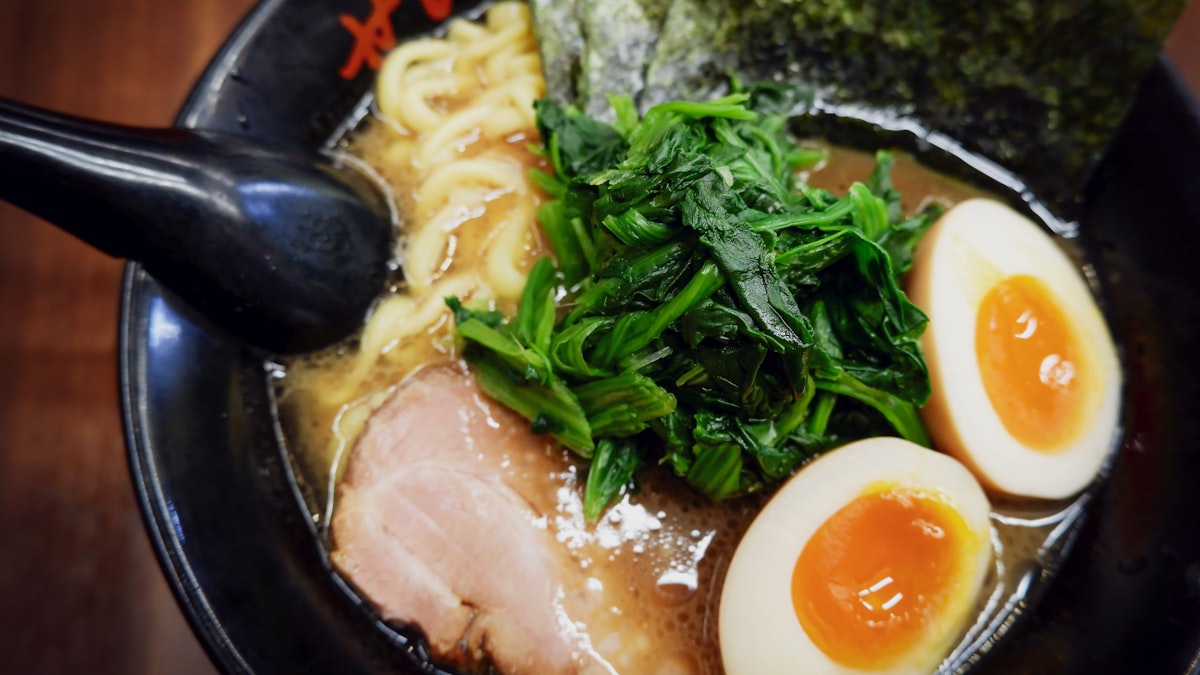
Food is reason enough to visit Japan. Beyond sushi and ramen lies a whole world of regional specialties and everyday delights. Here’s a first-timer’s hit list of dishes to try.
The big names (and how to enjoy them)
- Sushi & sashimi — from conveyor-belt (kaiten) spots to counter omakase.
- Ramen — tonkotsu, shoyu, miso, and more; every region has its style.
- Tempura — lightly battered seafood and vegetables.
- Tonkatsu — crispy breaded pork cutlet with shredded cabbage.
- Udon & soba — thick wheat and thin buckwheat noodles, hot or cold.
Street food & casual eats
- Takoyaki & okonomiyaki — Osaka’s savory octopus balls and pancakes; see Osaka guide.
- Yakitori — grilled chicken skewers, izakaya classic.
- Gyoza and karaage (Japanese fried chicken).
- Taiyaki & tatsu — fish-shaped cakes and sweets.
Comfort bowls
- Gyudon — beef rice bowls, cheap and fast.
- Katsudon & oyakodon — cutlet or chicken-and-egg over rice.
- Curry rice — Japan’s beloved comfort food.
- Unagi — grilled eel, a summer treat.
Don’t miss
- Kaiseki — Japan’s multi-course haute cuisine, often at a ryokan.
- Depachika — department-store food halls, a feast for the eyes.
- Konbini food — genuinely good; see konbini must-buys.
- Vegetarian? Read our vegetarian & vegan guide.
Dining tips
- Many places use ticket machines — buy a meal ticket, hand it over.
- Slurping noodles is fine (even encouraged); there’s no tipping.
- Brush up with our etiquette and phrases guides.
Hungry yet? Fit the eating into our 7-day itinerary.
What meals typically cost
- Comfort bowls like gyudon and katsudon run JPY 400-900 at chain restaurants, among the cheapest hot, filling meals available anywhere in Japan.
- A mid-range sit-down meal (tempura, tonkatsu, or a udon/soba set) runs JPY 1,000-2,500, while a proper multi-course kaiseki dinner can run JPY 8,000-25,000+ depending on the restaurant’s caliber.
- Depachika prepared food offers a middle ground — restaurant-quality bento and deli items for JPY 800-2,000, ideal for a quality meal without a restaurant reservation.
Common mistakes to avoid
- Sticking only to famous dishes and skipping regional specialties — sushi and ramen get the international attention, but regional dishes like Hiroshima’s layered okonomiyaki, Osaka’s takoyaki, or Nagoya’s hitsumabushi are genuinely worth detouring for and taste better made locally than anywhere else.
- Assuming ticket-machine restaurants are lower quality because they’re self-service — many excellent ramen and gyudon shops use ticket machines specifically for speed and efficiency, not as a quality shortcut.
- Overordering at an izakaya on the first round — most groups order a few small dishes at a time and keep adding rounds, rather than ordering everything at once as you might at a Western restaurant.
Building a food-focused day
A satisfying food day might start with a market breakfast, move to a specific regional lunch specialty, snack through the afternoon at a konbini or depachika, and end with an izakaya dinner sampling several small dishes — a structure that naturally covers most of the dish categories on this list without needing to plan every meal in advance.
Handling dietary restrictions
Many classic dishes on this list contain fish stock (dashi) even when they appear vegetarian at a glance — miso soup, many noodle broths, and even some vegetable tempura batters can include it, so travelers with dietary restrictions should read our vegetarian and vegan in Japan guide before assuming a dish is automatically safe based on its listed ingredients alone.