Japan Trove

Category: Food & Dining

What and where to eat in Japan, from must-try dishes to konbini and dining etiquette.

  • Ekiben: Japan’s Station Bento & the Shinkansen Ritual

    Ekiben: Japan’s Station Bento & the Shinkansen Ritual

    One of the great joys of Japanese train travel is the ekiben — a beautifully packed station bento eaten on the shinkansen. Here’s what they are and how to enjoy this delicious ritual.

    What is ekiben?

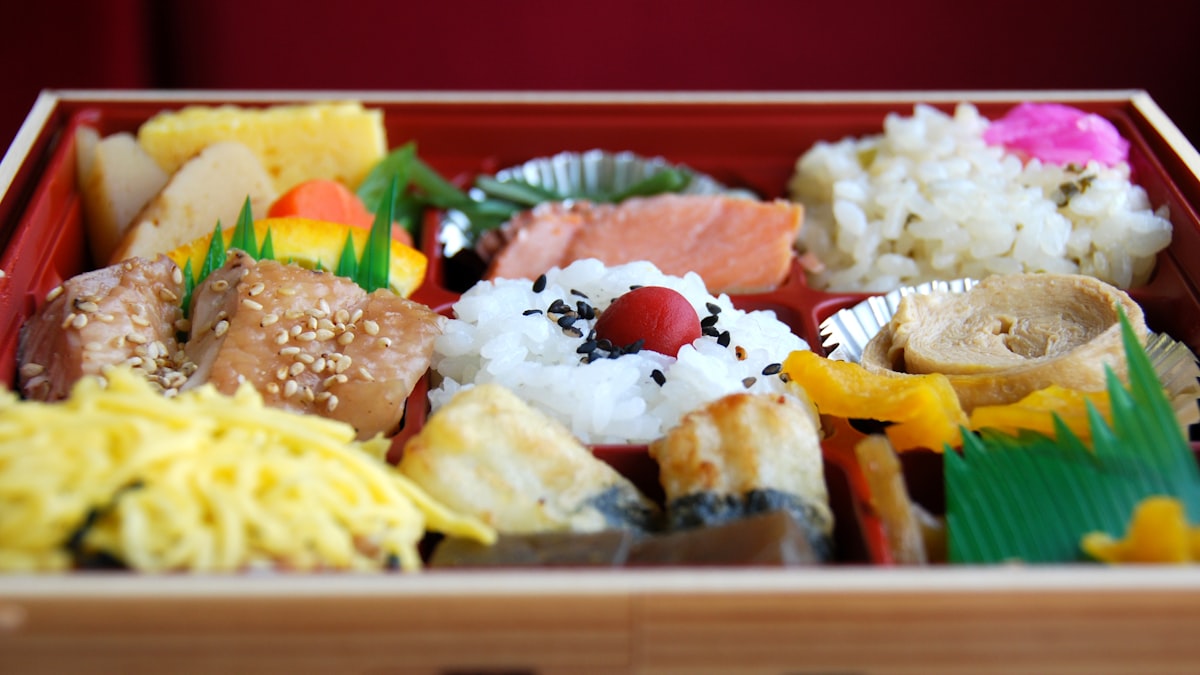
    Ekiben (eki = station, bento = boxed meal) are ready-to-eat lunch boxes sold at train stations and on platforms. They range from simple rice-and-fish boxes to elaborate regional specialties in gorgeous packaging — a meal and a souvenir in one.

    Why they’re special

    • Regional pride — each area has signature ekiben using local ingredients (crab in Hokkaido, beef in Kobe, eel in Nagoya).
    • Designed to travel — tasty at room temperature, tidy to eat on a train.
    • Fun packaging — some come in shapes like bullet trains or ceramic pots you keep.

    How to enjoy the ritual

    • Buy before boarding the shinkansen — big stations have huge ekiben selections.
    • Pair with a drink and a green tea; eating on the shinkansen is normal and expected.
    • Eating on local commuter trains is less common — save it for long-distance rides.

    Where to find the best

    • Tokyo Station’s Ekibenya Matsuri — hundreds of ekiben from across Japan under one roof.
    • Major shinkansen stations and department-store depachika (see our department store guide).
    • Look for “sold today only” and seasonal specials.

    Tips

    • Carry small change/cash and tidy up your box afterward (see our etiquette guide).
    • It’s a highlight of any itinerary with train travel — don’t skip it.

    What ekiben typically cost

    • Most ekiben run JPY 900-1,800, with elaborate regional specialties (whole crab, wagyu beef, elaborate multi-compartment boxes) reaching JPY 2,500-3,500.
    • Budget-friendly options (simple rice-and-fish or curry boxes) start around JPY 700-900 and are widely available even at smaller stations.
    • Limited-edition and seasonal boxes sell out fast on weekend mornings — if you have your heart set on a specific famous one, buy it as soon as you reach the station rather than saving it for the platform.

    Common mistakes to avoid

    • Assuming you can buy one at the last minute — the best-known counters (like Tokyo Station’s Ekibenya Matsuri) can have queues, especially before long weekends; give yourself 15-20 extra minutes.
    • Opening a hot ekiben (like a heated beef or pork box) too early — some have a pull-tab self-heating mechanism; read the instructions so it is still hot when you eat it on board.
    • Forgetting chopsticks — they usually come with the box, but grab an extra set at the konbini if you are buying from a station stall that does not include them.

    Pairing it with the ride

    Green tea and canned coffee are the classic ekiben companions and are sold from the same kiosks or a cart that sometimes still passes through the car. If you are on a long Tohoku or Kyushu shinkansen leg, an ekiben roughly an hour into the journey — once the initial city views give way to countryside — is the traditional moment to eat, giving you something to look forward to mid-ride.

    Vegetarian, vegan & allergy notes

    Most ekiben are built around fish, meat, or both, which makes them a tricky option for vegetarian and vegan travelers. A small number of stations sell vegetable-forward boxes (inari sushi, vegetable curry, or onigiri sets), but they are far less common than meat and seafood versions — check our vegetarian and vegan in Japan guide for backup options if ekiben do not fit your diet, including building your own box from a station’s onigiri and side-dish counters.

    Regional ekiben worth seeking out

    A few boxes are worth planning around: the Toge no Kamameshi (a kettle-shaped clay pot rice dish from Yokokawa Station you can keep as a souvenir), Kobe’s beef-topped rice boxes, Hokkaido’s crab and salmon roe boxes, and Yokohama’s shumai bento sold at Yokohama Station and on the Tokaido Shinkansen. Many now sell out at their home station well before evening, so shop early if a specific box is the goal.
  • Japanese Street Food: What to Try & Where to Find It

    Japanese Street Food: What to Try & Where to Find It

    From festival stalls to market lanes, Japanese street food is delicious, cheap, and everywhere. Here’s what to try and where to find the best bites.

    Must-try street foods

    • Takoyaki — octopus-filled batter balls, Osaka’s icon; see our Dotonbori guide.
    • Okonomiyaki — savory griddle pancakes.
    • Yakitori — grilled chicken skewers.
    • Taiyaki — fish-shaped cakes with sweet filling.
    • Dango & taiyaki, candied fruit (ringo-ame), and kakigori (shaved ice) in summer.

    Where to find it

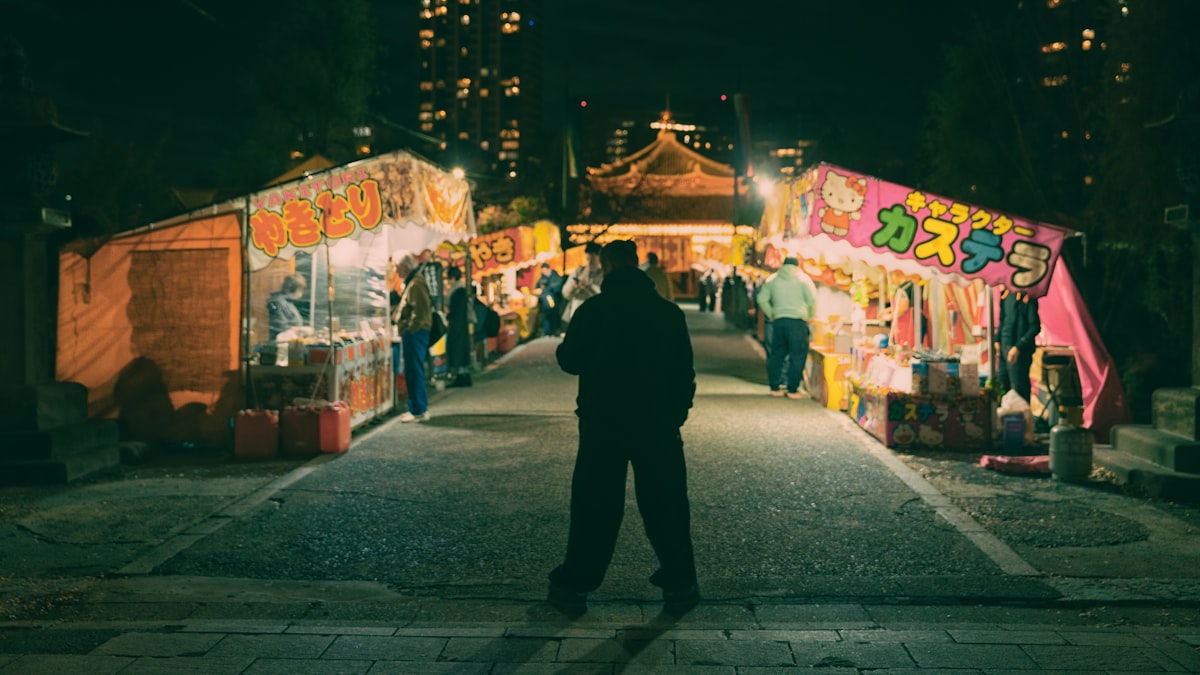
    • Festival stalls (yatai) — the best street-food scene; see our festivals guide.
    • Market streets — Nishiki Market (Kyoto), Kuromon (Osaka), and Tsukiji.
    • Fukuoka’s yatai — riverside food stalls; see our Fukuoka guide.
    • Temple approaches like Nakamise in Asakusa.

    How to enjoy it

    • Carry cash — stalls are cash-only (see money in Japan).
    • Eat near the stall — eating while walking is frowned upon; there are often standing areas.
    • Bin your trash properly (or carry it) — public bins are scarce. See our etiquette guide.

    Konbini counts too

    Don’t overlook convenience-store hot snacks (fried chicken, oden, nikuman) — cheap and genuinely good. More in our must-try food guide.

    What street food typically costs

    • Most stall items run JPY 300-700 per portion — takoyaki (6-8 pieces) is usually JPY 500-600, a yakitori skewer JPY 150-300, and taiyaki JPY 200-300 each.
    • Festival stalls (yatai) sometimes price slightly higher than everyday market stalls, since you are also paying for the atmosphere and limited-time setup.
    • A reasonable budget for grazing your way through a market or festival lunch is around JPY 1,500-2,500 for two or three different items plus a drink.

    Common mistakes to avoid

    • Eating while walking through a market — most Japanese food markets expect you to eat near the stall or in a designated standing area, not stroll and eat; look for a small counter or step to the side.
    • Assuming every stall takes cards — most street food is strictly cash, and small-denomination coins move things along faster during a rush.
    • Skipping the queue-watching trick — a short line at a stall in a busy festival or market is a good, low-risk way to find the best vendor without research.

    Seasonal street food to watch for

    Street food shifts with the seasons: kakigori (shaved ice) and cold noodles dominate summer festival stalls, roasted sweet potato (yaki-imo) carts appear on autumn and winter streets, and New Year shrine visits (hatsumode) bring their own stall lineup of amazake (sweet rice drink) and grilled mochi. If you are visiting for a specific matsuri, check our festivals guide for what is in season.

    Street food for different diets

    Vegetarians will find dango, taiyaki, and most candied fruit safe bets, but should ask before ordering takoyaki or okonomiyaki, which often contain fish flakes (katsuobushi) or a fish-based sauce even in an otherwise vegetable-heavy dish — see our vegetarian and vegan in Japan guide for phrases that help. Travelers with shellfish allergies should be cautious with takoyaki (octopus) and any stall selling grilled seafood skewers at festivals.

    Regional street food specialties

    Beyond the nationwide favorites, look for regional specialties tied to where you are: Hiroshima-style okonomiyaki layered with noodles, Osaka’s negiyaki (a lighter, green-onion version of okonomiyaki), Sendai’s grilled beef tongue skewers, and Okinawa’s sata andagi (fried sugar doughnuts). Seeking out the local variation rather than the generic version is one of the easiest ways to eat well while traveling between cities.

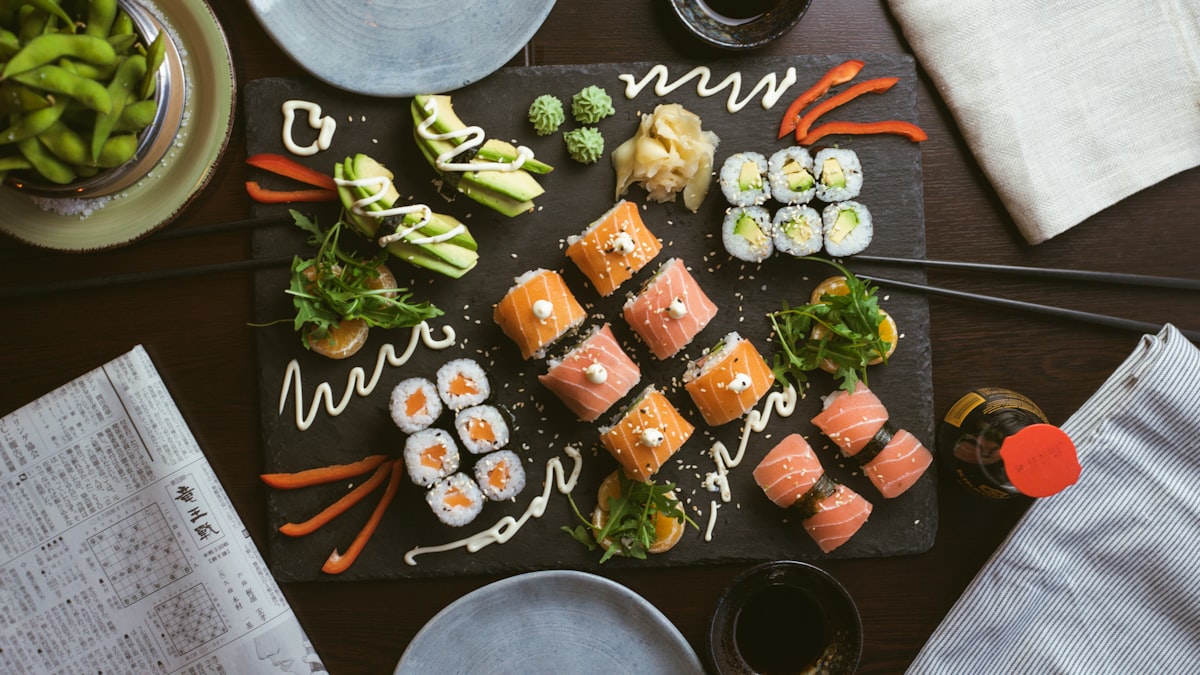
  • Sushi in Japan: How to Order & Eat It Like a Local

    Sushi in Japan: How to Order & Eat It Like a Local

    Sushi in Japan is a revelation — fresher, more varied, and often cheaper than back home. But the etiquette and ordering can feel mysterious. Here’s a friendly guide to eating sushi in Japan.

    Types of sushi spot

    • Kaiten-zushi (conveyor belt) — fun, cheap, and beginner-friendly; grab plates or order on a screen.
    • Standing sushi bars — quick and affordable.
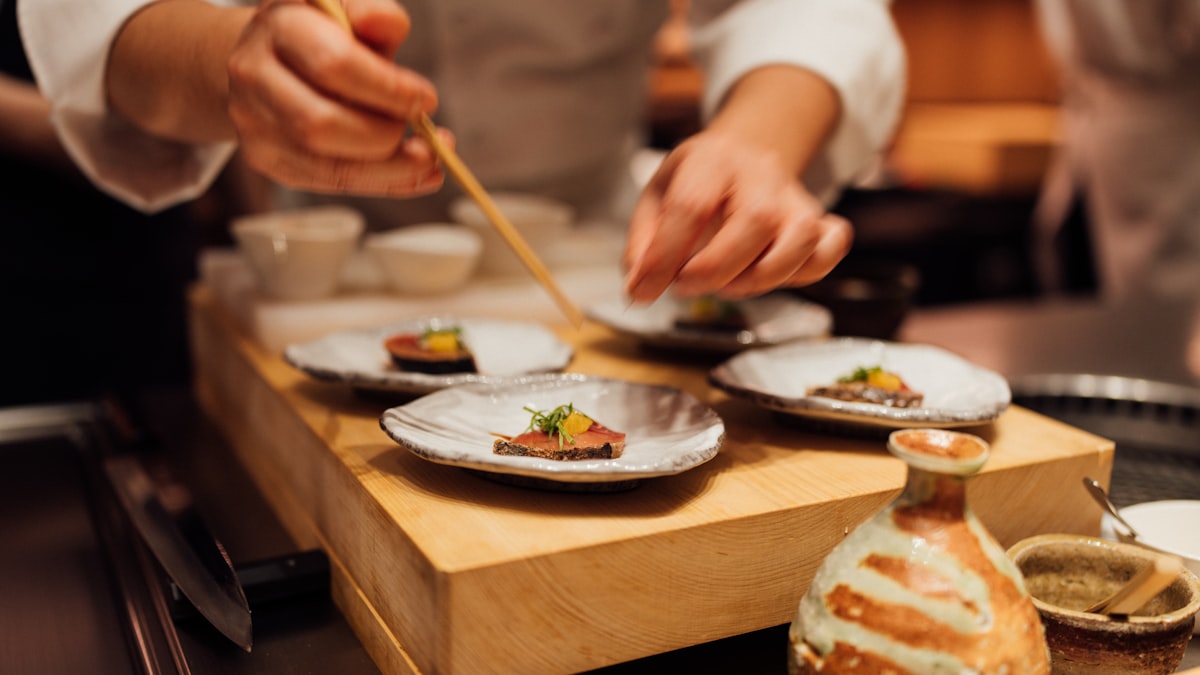
    • Counter sushi / omakase — the chef serves their choice, piece by piece; a special-occasion experience.

    How to eat sushi properly

    • Nigiri can be eaten with your hands or chopsticks.
    • Dip fish-side (not rice) lightly in soy sauce — too much rice soaks up too much soy.
    • Eat in one bite where you can; don’t drown it in soy or wasabi (often already added).
    • Ginger (gari) is a palate cleanser between pieces, not a topping.

    What to try

    • Maguro (tuna), salmon, ebi (shrimp), uni (sea urchin), ikura (salmon roe), tamago (egg).
    • Ask for seasonal recommendations at counter spots.
    • Fresh market sushi is unbeatable — see our Tsukiji & Toyosu guide.

    Etiquette & tips

    • At omakase, eat each piece promptly (the chef timed it) and follow their lead.
    • There’s no tipping — see our tipping guide.
    • Conveyor spots are great with kids and for budgets; see our must-try food guide.

    What sushi actually costs

    • Kaiten-zushi (conveyor belt) chains price plates by color, typically JPY 110-500 per plate (2 pieces); a filling meal for one runs roughly JPY 1,500-2,500.
    • Counter sushi with a set lunch menu can be surprisingly affordable, often JPY 2,000-4,000 for a quality lunch omakase — lunch is consistently the best value time to try a good counter.
    • Dinner omakase at a well-regarded shop typically runs JPY 8,000-25,000+ per person; the very top-tier, reservation-only counters can run well beyond that.

    Common mistakes to avoid

    • Mixing wasabi into your soy sauce dish — at a proper counter, the chef has already added the right amount of wasabi between fish and rice; doing it yourself can be seen as an insult to the balance they intended.
    • Letting nigiri sit too long before eating — the rice temperature and texture are part of the point, so eat each piece shortly after it is placed in front of you.
    • Booking omakase without checking allergy or seafood-aversion policies in advance — many set menus cannot be modified once the chef has bought the day’s fish.

    Budget vs. splurge picks

    If you are traveling on a budget, kaiten-zushi chains (Sushiro, Kura Sushi, Hama-zushi) deliver genuinely good fish at fast-food prices and are an easy first sushi meal with kids. For a splurge night, a mid-tier counter omakase booked a few days ahead gives most travelers 90% of the high-end experience for a fraction of the cost of Tokyo’s most famous reservation-only spots.

    Sushi for different diets

    Vegetarian options exist but are limited — kappa-maki (cucumber roll), natto rolls, and tamago (egg) nigiri are the main choices at most kaiten-zushi chains, and a few upscale spots now offer vegetable-focused omakase with advance notice. Shellfish and fish-roe allergies are worth flagging clearly before an omakase booking, since substitutions mid-course are harder at counter-style restaurants than at a conveyor-belt chain where you simply skip a plate.

    A sample first sushi day

    Start with a market breakfast at Tsukiji’s outer market, try a mid-tier counter set lunch omakase in the early afternoon when it is quieter and cheaper than dinner service, then round out the trip with a casual, fun kaiten-zushi dinner later in the week — the contrast between the three settings shows off how differently sushi can be served and enjoyed in Japan.

  • Best Ramen in Japan: Types, How to Order & Where to Eat

    Best Ramen in Japan: Types, How to Order & Where to Eat

    Ramen is Japan’s ultimate comfort food — and every region has its own style. Knowing the main types helps you order like a pro. Here’s a guide to Japanese ramen and how to eat it.

    The main ramen styles

    • Tonkotsu — rich, creamy pork-bone broth; the Kyushu classic (see our Fukuoka guide).
    • Shoyu — soy-sauce based, clear and savory; the Tokyo standard.
    • Miso — hearty and warming; born in Sapporo (see our Sapporo guide).
    • Shio — light, salt-based broth, delicate and clean.
    • Tsukemen — noodles served separately for dipping in concentrated broth.

    How to order & eat

    • Many shops use a ticket machine — buy a meal ticket and hand it over.
    • Customize richness, noodle firmness (katame = firm), and toppings where offered.
    • Slurping is encouraged — it cools the noodles and shows you’re enjoying it.
    • Eat quickly while hot; it’s fast food, not a lingering meal.

    Toppings to know

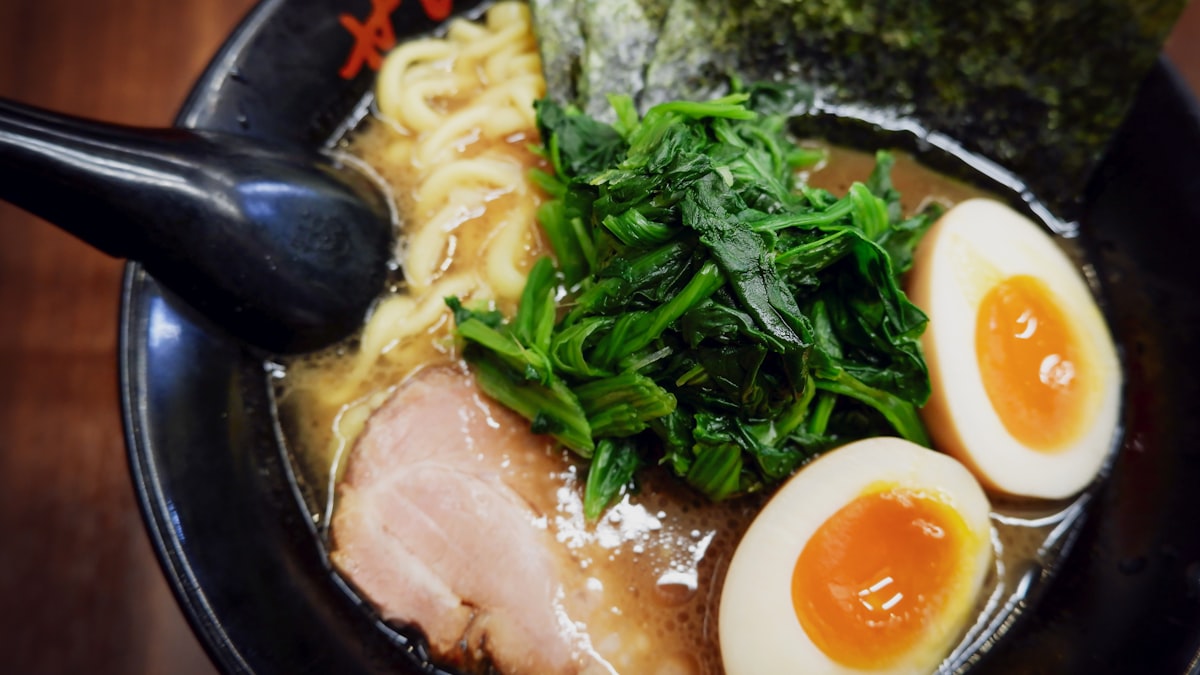
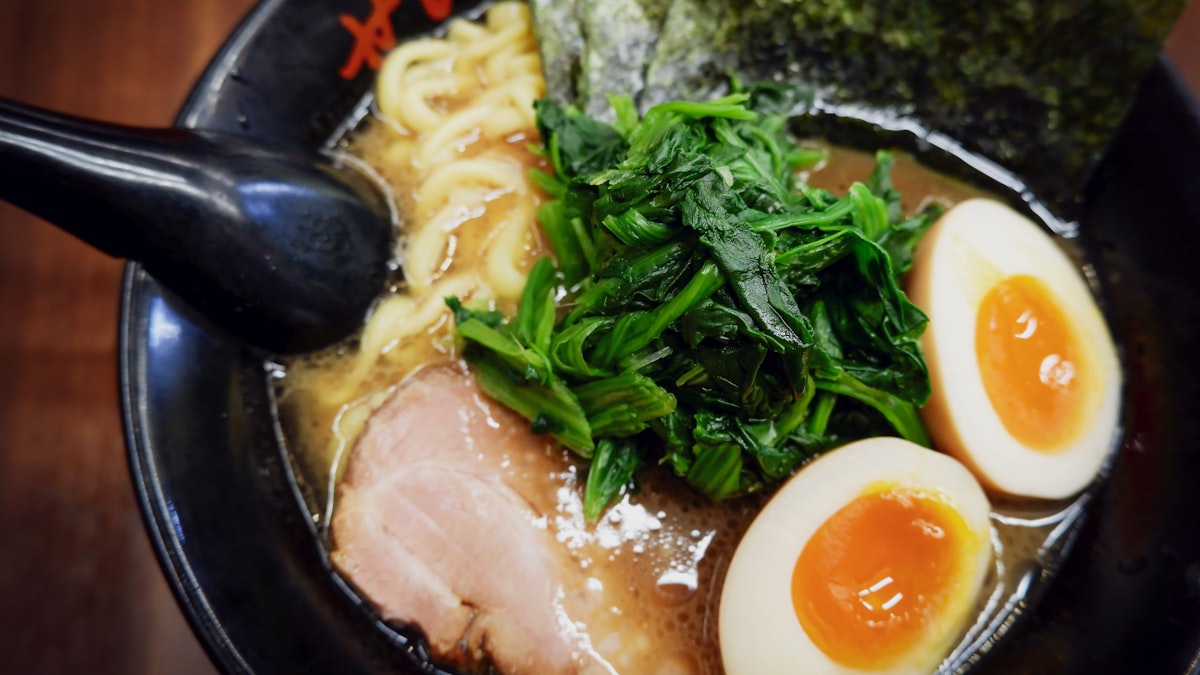
    Chashu (braised pork), ajitama (seasoned egg), menma (bamboo), nori, and negi (green onion). Add extra noodles (kaedama) at tonkotsu shops.

    Where to find great ramen

    • Follow the queues — a line usually means it’s good.
    • Regional specialties are best in their home cities.
    • Even konbini and instant versions are excellent; see our instant ramen guide.
    • More dishes in our must-try food guide.

    What a bowl typically costs

    • Standard ramen runs JPY 700-1,100 at most shops; adding toppings (extra chashu, ajitama egg, extra noodles) brings a loaded bowl to around JPY 1,200-1,500.
    • Tsukemen (dipping noodles) is usually priced similarly to regular ramen, sometimes slightly higher because portions tend to be larger.
    • Ramen is one of the best-value hot meals in Japan — even in expensive tourist areas, a bowl rarely crosses JPY 1,500 unless it is a specialty or premium ingredient shop.

    Common ordering mistakes

    • Freezing at the ticket machine — most machines have an English button or picture menu; if not, the base ramen button is usually the largest, top-left button, with topping buttons below.
    • Asking to modify a bowl at a specialist shop — many small ramen-ya are built around one exact recipe and do not take substitutions; save customization requests for shops that clearly offer them (richness/firmness dials on the ticket machine).
    • Lingering too long at the counter during a lunch rush — ramen shops turn tables fast, and it is normal (not rude) to eat efficiently and leave your seat for the next customer.

    Regional detours worth making

    If ramen is a trip priority, it is worth routing travel around it: Hakata tonkotsu in Fukuoka, miso ramen in Sapporo, and Kitakata’s soy-based style in Tohoku are each distinct enough from the Tokyo standard to justify trying the original in its hometown rather than a transplant shop elsewhere.

    Ramen for different diets

    Classic ramen broth is almost always built on pork, chicken, or fish stock, which makes vegetarian and vegan ramen genuinely hard to find outside of a growing number of specialist shops in Tokyo, Kyoto, and Osaka that make dedicated vegetable or soy-based broths — see our vegetarian and vegan in Japan guide for how to spot them. Halal-certified ramen shops also exist in a handful of major cities, mostly using chicken broth instead of pork.

    A short ramen crawl idea

    If you have a free evening, try comparing two styles back to back: a tonkotsu shop for a rich, filling first bowl, followed an hour or two later by a lighter shio or shoyu bowl elsewhere — portions are generally small enough that this is realistic, and it makes the differences between broths far clearer than reading about them. Many ramen districts in Tokyo (like parts of Shinjuku and Ikebukuro) cluster several well-regarded shops within a five-minute walk of each other.

  • Do You Tip in Japan? Tipping Etiquette Explained

    Do You Tip in Japan? Tipping Etiquette Explained

    Short answer: no, you don’t tip in Japan — and trying to can cause confusion. Here’s exactly how it works so you’re never caught out.

    The rule

    Tipping is not part of Japanese culture. Good service is the standard and is already included in the price. Leaving extra cash at a restaurant, taxi, or hotel can genuinely confuse staff — someone may even chase after you to return the “forgotten” money.

    Situations travelers ask about

    • Restaurants & bars — no tip. Just pay the bill (often at a front register).
    • Taxis — no tip; round-ups aren’t expected. Doors open automatically — don’t touch them.
    • Hotels — no tip for standard service. A high-end ryokan may have a service charge already on the bill.
    • Tour guides — the one gray area; a private guide may accept a thank-you gift, but it’s not required.

    Service charges vs tips

    Some upscale restaurants, hotels, and izakaya add a service charge or a small otoshi (seating appetizer) to the bill. That’s not a tip you add — it’s already itemized.

    How to show appreciation instead

    • A sincere “gochisousama deshita” (thank you for the meal) or “arigatou gozaimasu.”
    • If you truly want to give a gift to a guide, present cash in an envelope with both hands — never loose bills.
    • Learn a few phrases — see our phrases guide.

    Bottom line

    Skip the tip, pay the exact bill, and say thanks — that’s perfect. More do’s and don’ts in our etiquette guide, money in Japan, and common travel mistakes.

    Why the no-tipping norm exists

    Japanese service culture treats attentiveness and quality as a baseline professional standard, not something that should require extra payment to unlock — the concept of tipping for better service can actually read as implying the standard service wasn’t already complete, which is part of why offering money can create genuine confusion rather than simple gratitude.

    Situations that trip travelers up

    • Ryokan staff carrying your bags or serving an elaborate kaiseki dinner — even this high-touch, personal service doesn’t expect a tip; the nightly rate already reflects it.
    • Bartenders at a cocktail bar after an exceptional round — rounding up or leaving change on the counter is unnecessary and will typically be returned to you.
    • Delivery or hotel staff bringing something to your room — a polite thank you is the complete, correct response.

    The one real exception: envelope gifts

    For an exceptional, personalized service like a private tour guide who went well beyond the norm, some travelers choose to offer a small thank-you gift rather than cash directly — if you do want to give money in this specific context, present it in a plain envelope, offered with both hands, rather than handing over loose bills, which can feel transactional and out of place.

    What to expect if you try to tip anyway

    Leaving cash on a restaurant table is likely to result in a server chasing you down the street to return it, genuinely believing you left it behind by accident — it happens often enough to first-time visitors that it’s worth expecting rather than being caught off guard by well-meaning staff insisting you take your money back.

  • Tsukiji vs Toyosu: Tokyo’s Fish Markets & Best Sushi

    Tsukiji vs Toyosu: Tokyo’s Fish Markets & Best Sushi

    Tokyo’s fish markets are a foodie pilgrimage — but there’s confusion about Tsukiji vs Toyosu since the big move. Here’s the clear guide to visiting both, and eating the best sushi breakfast of your life.

    Tsukiji vs Toyosu — what changed

    • Toyosu Market — the wholesale market (and famous tuna auction) relocated here. This is where the big trading and the auction viewing now happen.
    • Tsukiji Outer Market — the beloved street of food stalls, knife shops, and restaurants stayed in Tsukiji and is still thriving. This is the easy, fun one for most visitors.

    Tsukiji Outer Market (easiest)

    • Wander stalls selling fresh sushi, grilled seafood, tamagoyaki, and street snacks.
    • Buy Japanese kitchen knives and kitchenware.
    • Go early morning — many stalls wind down by early afternoon; some close Sundays/Wednesdays.

    Toyosu Market (the auction)

    • View the tuna auction from observation decks (early morning; advance registration may be required for the closest viewing).
    • Excellent sushi restaurants inside — expect queues for the famous ones.
    • It’s more sterile/modern than old Tsukiji, but it’s the real working market.

    Eating tips

    • Come hungry and early — a sushi or seafood-don breakfast here is unforgettable. More in must-try Japanese food.
    • Carry cash; many small stalls don’t take cards — see money in Japan.
    • Be respectful: it’s a working market — don’t block carts or touch produce.

    Getting there

    Tsukiji is central (Tsukiji/Tsukijishijo stations); Toyosu is on the Yurikamome line. Grab an IC card and add it to your Tokyo plan.

    What things cost

    • A sushi breakfast at Tsukiji’s outer market runs JPY 2,000-5,000 for a generous sit-down set, or JPY 1,000-2,000 for standing-bar or takeaway sushi from a stall.
    • Toyosu’s inner-market sushi restaurants, made famous by long pre-pandemic queues, still often require waiting 30-90 minutes even on weekday mornings for the best-known counters.
    • Tuna auction viewing at Toyosu is free but requires early registration (often via a lottery-style online booking released a couple of months ahead) for the closest observation deck — a general, more distant viewing deck is available without booking.

    Common mistakes to avoid

    • Going to Toyosu expecting Tsukiji’s old street-stall atmosphere — Toyosu is a modern, sterile wholesale facility built for efficiency, not tourism; if the atmosphere and street food matter more to you than the actual auction, stick to Tsukiji’s outer market.
    • Arriving after 10am expecting the same energy as opening hours — both markets wind down significantly by late morning, with many stalls and restaurants closing by early afternoon.
    • Visiting on a market holiday — both markets close on scheduled days (varying, often Sundays and some Wednesdays); check the current calendar before planning around this specific stop.

    Making the early start worthwhile

    Since both markets reward an early arrival, consider staying somewhere within a short taxi ride the night before — arriving groggy after a long train transfer undercuts much of the appeal of catching the market at its liveliest, freshest hours.

    Combining with a wider Tokyo food day

    A market breakfast pairs naturally with an afternoon in nearby Ginza, a short taxi or train ride away — treating the market as the start rather than the entirety of a food-focused day makes better use of the early start than heading back to the hotel right after.

  • Must-Try Japanese Food: A First-Timer’s Hit List

    Must-Try Japanese Food: A First-Timer’s Hit List

    Food is reason enough to visit Japan. Beyond sushi and ramen lies a whole world of regional specialties and everyday delights. Here’s a first-timer’s hit list of dishes to try.

    The big names (and how to enjoy them)

    • Sushi & sashimi — from conveyor-belt (kaiten) spots to counter omakase.
    • Ramen — tonkotsu, shoyu, miso, and more; every region has its style.
    • Tempura — lightly battered seafood and vegetables.
    • Tonkatsu — crispy breaded pork cutlet with shredded cabbage.
    • Udon & soba — thick wheat and thin buckwheat noodles, hot or cold.

    Street food & casual eats

    • Takoyaki & okonomiyaki — Osaka’s savory octopus balls and pancakes; see Osaka guide.
    • Yakitori — grilled chicken skewers, izakaya classic.
    • Gyoza and karaage (Japanese fried chicken).
    • Taiyaki & tatsu — fish-shaped cakes and sweets.

    Comfort bowls

    • Gyudon — beef rice bowls, cheap and fast.
    • Katsudon & oyakodon — cutlet or chicken-and-egg over rice.
    • Curry rice — Japan’s beloved comfort food.
    • Unagi — grilled eel, a summer treat.

    Don’t miss

    • Kaiseki — Japan’s multi-course haute cuisine, often at a ryokan.
    • Depachika — department-store food halls, a feast for the eyes.
    • Konbini food — genuinely good; see konbini must-buys.
    • Vegetarian? Read our vegetarian & vegan guide.

    Dining tips

    • Many places use ticket machines — buy a meal ticket, hand it over.
    • Slurping noodles is fine (even encouraged); there’s no tipping.
    • Brush up with our etiquette and phrases guides.

    Hungry yet? Fit the eating into our 7-day itinerary.

    What meals typically cost

    • Comfort bowls like gyudon and katsudon run JPY 400-900 at chain restaurants, among the cheapest hot, filling meals available anywhere in Japan.
    • A mid-range sit-down meal (tempura, tonkatsu, or a udon/soba set) runs JPY 1,000-2,500, while a proper multi-course kaiseki dinner can run JPY 8,000-25,000+ depending on the restaurant’s caliber.
    • Depachika prepared food offers a middle ground — restaurant-quality bento and deli items for JPY 800-2,000, ideal for a quality meal without a restaurant reservation.

    Common mistakes to avoid

    • Sticking only to famous dishes and skipping regional specialties — sushi and ramen get the international attention, but regional dishes like Hiroshima’s layered okonomiyaki, Osaka’s takoyaki, or Nagoya’s hitsumabushi are genuinely worth detouring for and taste better made locally than anywhere else.
    • Assuming ticket-machine restaurants are lower quality because they’re self-service — many excellent ramen and gyudon shops use ticket machines specifically for speed and efficiency, not as a quality shortcut.
    • Overordering at an izakaya on the first round — most groups order a few small dishes at a time and keep adding rounds, rather than ordering everything at once as you might at a Western restaurant.

    Building a food-focused day

    A satisfying food day might start with a market breakfast, move to a specific regional lunch specialty, snack through the afternoon at a konbini or depachika, and end with an izakaya dinner sampling several small dishes — a structure that naturally covers most of the dish categories on this list without needing to plan every meal in advance.

    Handling dietary restrictions

    Many classic dishes on this list contain fish stock (dashi) even when they appear vegetarian at a glance — miso soup, many noodle broths, and even some vegetable tempura batters can include it, so travelers with dietary restrictions should read our vegetarian and vegan in Japan guide before assuming a dish is automatically safe based on its listed ingredients alone.

  • Vegetarian & Vegan in Japan: A Practical Guide

    Vegetarian & Vegan in Japan: A Practical Guide

    Eating vegetarian or vegan in Japan is very doable — but there’s a hidden catch called dashi. Here’s how to eat well without stress.

    The dashi problem

    Japan’s foundational stock, dashi, is usually made with bonito (fish) flakes. It’s in miso soup, many noodle broths, simmered dishes, and sauces — so “vegetable” dishes often aren’t vegetarian. Even a plain-looking bowl can hide fish. Knowing this is half the battle.

    Naturally veg-friendly foods

    • Shojin ryori — Buddhist temple cuisine, entirely plant-based and exquisite (great in Kyoto and Koyasan).
    • Tofu & yuba dishes, especially in Kyoto.
    • Vegetable tempura, edamame, and pickles (ask about the dipping sauce).
    • Zaru soba — cold buckwheat noodles (confirm the dipping broth).
    • Inari sushi and vegetable maki (kappa/avocado).

    Convenience-store & chain wins

    • Konbini onigiri (umeboshi/kombu), salads, edamame, and fruit.
    • An increasing number of vegan ramen and curry spots in big cities.
    • Indian restaurants are a reliable veg fallback everywhere.

    Phrases that help

    • “Watashi wa bejitarian desu” — I’m vegetarian.
    • “Niku, sakana, dashi nashi de dekimasu ka?” — Can you make it without meat, fish, or dashi?
    • Carry a printed card listing what you can’t eat. More in our phrases guide.

    Tips for a smooth trip

    • Use vegan-restaurant apps/maps to pin spots in advance.
    • Book accommodation with a kitchen if you’re strict — supermarkets have great produce and tofu.
    • Big cities are easiest; rural areas need more planning.

    With a little prep, plant-based travelers eat brilliantly here. Build it into our first-timer tips.

    What eating vegetarian typically costs

    • A shojin ryori temple meal runs JPY 3,000-8,000 depending on the temple and course elaborateness, generally pricier than an average meal but a genuine culinary highlight, not just a dietary accommodation.
    • Vegan-specific restaurants in Tokyo and Kyoto run JPY 1,500-3,500 for a full meal, roughly in line with mid-range dining generally, though there are simply fewer of them outside major cities.
    • Self-catering with supermarket tofu, vegetables, and rice can bring daily food costs well under JPY 2,000, a practical fallback in areas with limited vegetarian restaurant options.

    Common mistakes to avoid

    • Assuming a menu item labeled “vegetable” is dashi-free — this is the single most common trap; many visually vegetable-only dishes are cooked in or served with a fish-based broth or sauce, so asking directly is safer than reading the menu alone.
    • Relying only on English-language reviews to find vegan spots — Japanese-language apps and maps (which a hotel concierge can help translate) often reveal far more options than English-focused travel sites.
    • Not preparing for rural areas — small towns and traditional ryokan often have fixed, meat/fish-heavy set menus with little flexibility; calling ahead to arrange a vegetarian kaiseki substitute is worth doing before you arrive, not after.

    Vegetarian-friendly regions and cities

    Kyoto stands out as the easiest city for vegetarian and vegan travelers thanks to its deep shojin ryori and tofu cuisine tradition, followed by Tokyo’s growing international food scene; more rural and coastal regions built around seafood specialties (much of Kyushu and Hokkaido) require noticeably more advance planning.

    Building a translation card for restaurants

    A simple printed or phone-saved card explaining your restrictions in Japanese, including the specific mention of dashi and fish flakes (katsuobushi), removes most of the ambiguity that spoken English can run into with busy kitchen staff — many long-term vegetarian residents of Japan recommend this over relying on conversation alone, especially outside major tourist areas.

  • Japanese Convenience Store Must-Buys: Konbini Snacks & Essentials

    Japanese Convenience Store Must-Buys: Konbini Snacks & Essentials

    Some links below are affiliate links. If you buy through them, Japan Trove may earn a small commission at no extra cost to you.

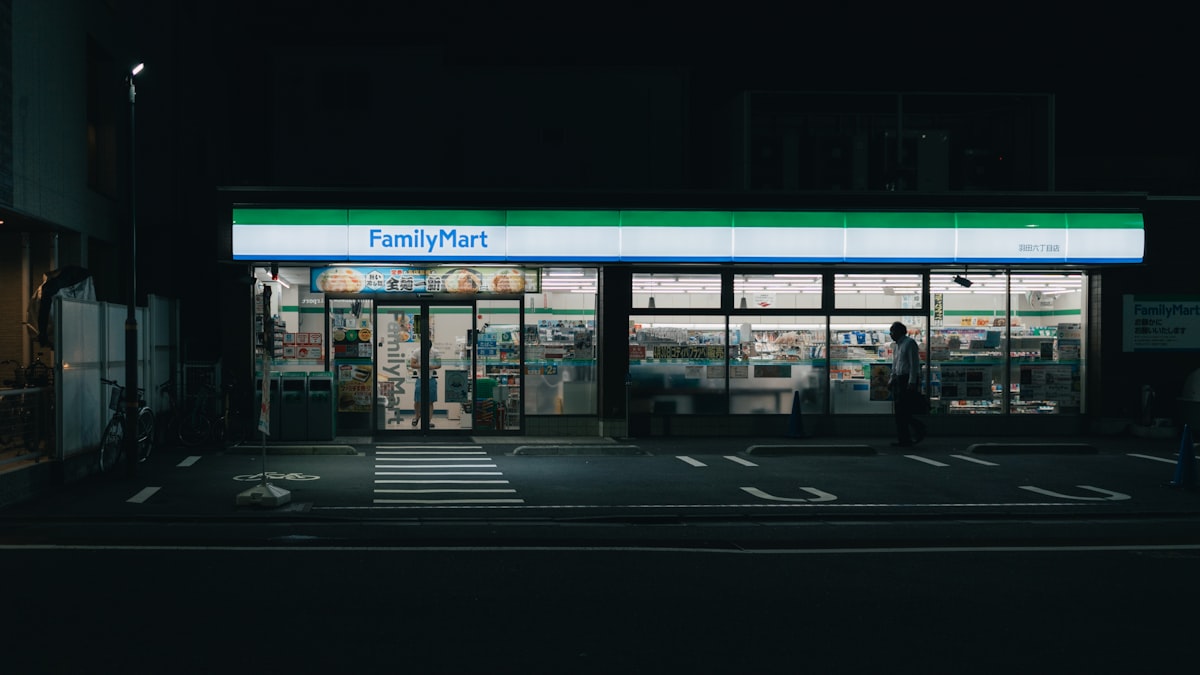
    Japan’s convenience stores (“konbini”) — 7-Eleven, FamilyMart, and Lawson — are a genuine highlight of any trip. The quality is astonishing and prices are low. Here’s what to grab on your first konbini run, from meals to snacks to little life-savers.

    Meals & hot food

    • Onigiri (rice balls) — cheap, delicious, and the wrapper keeps the seaweed crisp; tuna-mayo and salmon are classics.
    • Sandwiches — the egg salad (“tamago sando”) is legendary.
    • Hot counter — FamilyMart’s fried chicken (“Famichiki”) and Lawson’s karaage-kun are must-tries.
    • Oden (winter) and fresh bento boxes — surprisingly good for the price.

    Snacks & sweets

    • Seasonal Kit Kats and chocolate — see our Kit Kat guide.
    • Konbini sweets — the pudding, roll cake, and mochi desserts rival dedicated shops.
    • Umaibo, Jagariko, and regional chips — cheap, fun, and shareable.

    Drinks

    • Bottled green tea and barley tea — unsweetened and refreshing.
    • Canned coffee (hot or cold from the machine) and unique sodas.
    • Chilled dashi/soup and vitamin drinks for when you’re worn out.

    Non-food life-savers

    • ATMs (7-Eleven and Japan Post accept foreign cards), ticket machines, and clean toilets.
    • Umbrellas, phone chargers, socks, toiletries — whatever you forgot.
    • Tax-free at some larger stores if you spend enough — bring your passport.

    Want konbini snacks at home?

    You can recreate the experience abroad with a Japanese snack box, or order specific items via a proxy service. New to Japan? Start with our first-timer tips and 7-day itinerary.

    What things typically cost

    • Onigiri run JPY 130-180 each, sandwiches JPY 250-450, and hot counter items like Famichiki or karaage-kun run JPY 180-250 — a filling konbini meal for one person typically totals JPY 500-800.
    • Bento boxes run JPY 500-900 depending on contents, often discounted 20-50% in the evening as stores mark down items nearing their sell-by time, a genuinely good budget dinner strategy.
    • Drinks (bottled tea, canned coffee) run JPY 120-160, and most konbini stock a wide enough range that a full day’s meals and drinks can realistically run under JPY 2,500 per person.

    Common mistakes to avoid

    • Skipping the hot counter because it looks like ordinary fast food — Famichiki and karaage-kun are genuinely well-regarded, not just convenient; many visitors rank them among their favorite quick meals of the whole trip.
    • Not checking discount timing — many konbini mark down perishable food in the evening (often after 7-8pm), and timing a visit for this window can mean a genuinely good meal at a steep discount.
    • Assuming all three chains are identical — 7-Eleven, FamilyMart, and Lawson each have their own signature items and slightly different strengths (7-Eleven’s onigiri, FamilyMart’s fried chicken, Lawson’s desserts are commonly cited favorites), so trying all three is worth it rather than sticking to whichever is closest.

    Konbini as a genuine meal solution, not just snacks

    For budget-conscious or time-pressed days, building a full breakfast, lunch, or dinner entirely from a konbini run is a completely normal and satisfying choice in Japan, not a compromise — many locals eat this way regularly, and the quality bar is high enough that it holds up to repeated use across a multi-day trip.

    Konbini for practical travel needs

    Beyond food, a konbini run often solves an unexpected travel problem in one stop — a forgotten charger cable, a dead phone needing a portable battery, a sudden rain shower needing an umbrella, or simply needing cash from a reliable ATM — making it worth building a mental habit of “check the nearest konbini first” for small trip hiccups.