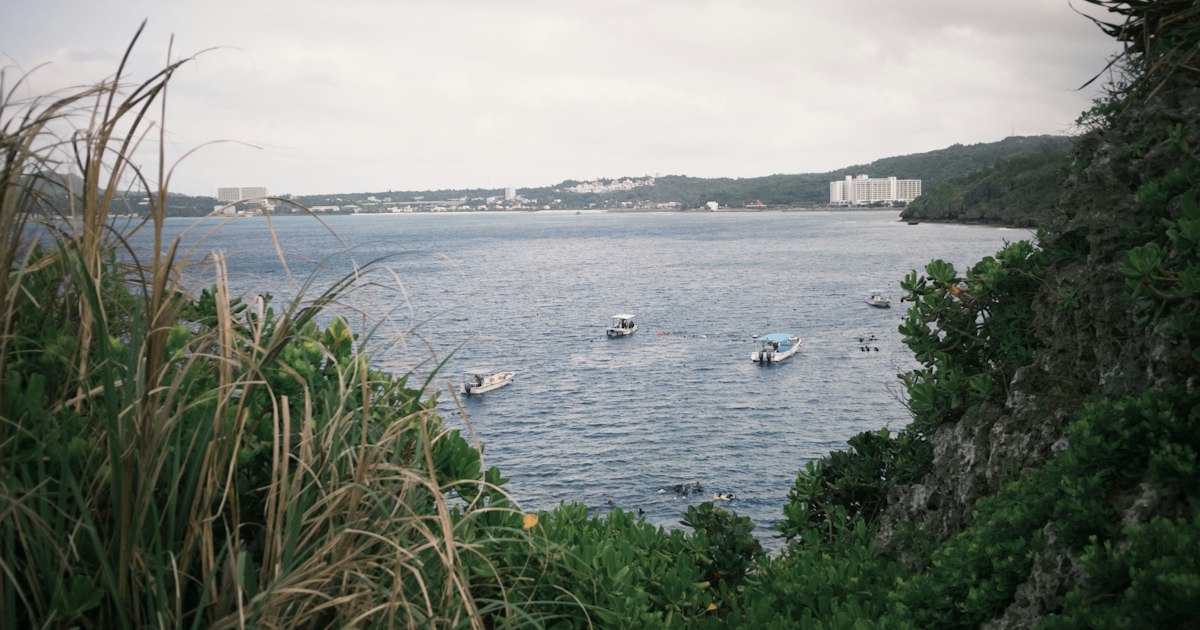
Photo by Monineath Horn on Unsplash
At the very tip of Aomori Prefecture, where the Tsugaru Strait narrows to its closest point with Hokkaido, sits a fishing town of fewer than 5,000 people that regularly makes international headlines. Oma (大間) is where Japan’s most expensive bluefin tuna are hauled in one at a time on a hand line, then shipped south to be auctioned for sums that make sushi chefs in Tokyo wince and news anchors do a double take. If you’re the kind of traveler who wants to see where the legendary ¥333.6 million tuna actually came from — not just eat a slice of it in Ginza — Oma is a genuinely rewarding, if remote, detour.
Why a Single Oma Tuna Can Sell for Millions of Dollars
Most tuna caught in Japan is taken in large nets or by longline, which bruises the fish and lets it thrash itself into a stress-hormone-soaked mess before it dies. Oma’s fishermen do it differently: they use ikkobi-zuri, a one-fish-at-a-time pole-and-line method from small boats, sometimes landing a single 200kg-plus bluefin after an hours-long fight. The fish dies quickly and is bled and chilled immediately, which keeps the flesh firmer and the fat distribution cleaner — qualities that matter enormously once it hits the auction floor.
Add to that the icy, fast-moving currents of the Tsugaru Strait, which force tuna here to build dense layers of fat for warmth, and you get a reputation that’s hard to beat. It’s no coincidence that Oma-caught tuna have repeatedly set the record at Tokyo’s Toyosu Market New Year’s first auction, including the famous 278kg bluefin that sold for ¥333.6 million (roughly US$3 million) in January 2019 to sushi chain owner Kiyoshi Kimura. The fish itself leaves Oma; the fame stays behind.
Getting to the Edge of Honshu: How to Reach Oma
Oma is not a casual add-on — budget most of a day to get there and back, and expect to overnight if you want more than a few rushed hours in town.
- From Aomori City: Shimokita Kotsu runs a direct highway bus to Oma, taking roughly 3 hours one-way. Alternatively, take the JR Ominato Line (via a transfer at Noheji) to Ominato Station in Mutsu City, then a local bus onward to Oma (about 50–60 minutes more).
- From Hokkaido: This is the scenic shortcut. The Oma Ferry sails between Hakodate and Oma in about 90 minutes, with a handful of departures a day and an adult one-way fare around ¥2,800–3,000. It’s a great way to bookend a Hokkaido trip rather than backtracking through Aomori City.
- By car: Renting a car in Aomori or Mutsu is by far the easiest way to see Oma properly, since buses within the town itself are infrequent. Allow about 2.5–3 hours’ drive from Aomori City.
Because the bus and ferry schedules are both sparse and seasonal, double-check current departure times before you commit — a missed afternoon bus back to Aomori can mean an unplanned night in town. If you’re coming from Aomori Station and don’t want to lug bags around a fishing port all day, it’s worth reading up on where to stash luggage at the station before you set off. And if you’re traveling with family or a small group, it’s worth checking whether group discounts on trains and lodging can offset the cost of a trip this far off the Shinkansen grid.
Best Time to Visit: Tuna Season and the Festival
Oma’s bluefin fishing season runs roughly from August through January, with the richest, fattiest catches typically coming in during the colder months of autumn and early winter as the fish bulk up before migrating. Note that the headline-grabbing New Year auction prices are set in Tokyo at Toyosu Market on January 5th — Oma itself isn’t where the drama happens, but it’s where that fish was caught days earlier.
If you want atmosphere rather than auction records, the Oma Maguro Matsuri (Tuna Festival), usually held in August, is the best single event to time a visit around. Expect tuna-cutting demonstrations, fresh sashimi and grilled tuna stalls, and a lively port-town crowd rather than a polished tourist event — bring cash and an appetite.
Outside festival dates, late autumn (October–November) is a sweet spot: fishing activity is high, the weather is still manageable, and the crowds are nonexistent. Winter visits are possible but the strait can get genuinely rough and windy, and some sailings get cancelled.
Where to Eat Oma’s Famous Maguro
Here’s the honest truth: the very best, heaviest Oma tuna is destined for Tokyo’s top auctions and won’t be sitting in a diner case in Oma itself. What you will find locally is extremely fresh, good-value tuna that never left the prefecture, plus parts (collar, cheek, tail meat) that rarely travel well and are a local specialty almost by default.
- Budget (¥1,000–1,800): Simple maguro-don (tuna rice bowls) at small diners near the fishing port and ferry terminal, often using akami (lean) cuts.
- Mid-range (¥2,000–3,500): Mixed-cut donburi with some chutoro (medium-fatty) tuna, or grilled tuna cheek and collar sets, which are rich, collagen-heavy cuts you won’t often see plated this generously elsewhere.
- Splurge (¥4,000+): Seasonal otoro (fatty belly) sets when available — ask locally what’s fresh that day, since the best fish moves fast and isn’t always on a printed menu.
Directly next to the fishing port, look for the morning market and direct-sale stalls where local co-ops sell whatever came in that day — this is also the best place to buy vacuum-packed tuna to take home if your accommodation has a freezer. If raw seafood bowls are your thing, it’s worth comparing notes with another regional classic covered on this site, Uwajima’s tai meshi sea bream rice bowl, which shows how differently Japan’s coastal towns treat their signature catch.
Cape Oma and Other Things to Do
Cape Oma (大間崎), at the northernmost tip of Honshu’s main island, is the town’s other big draw. On a clear day you can see Hokkaido across the water — this stretch of the Tsugaru Strait is one of the narrowest crossing points, around 17.5km, closer than the Aomori–Hakodate route most ferries use. There’s a monument marking the “northernmost point of Honshu,” a small lighthouse-topped islet just offshore (Benten-jima), and on a good day, dozens of ikkobi fishing boats visible working the strait.
The town itself is spread out along the coast with no real train station and limited local buses, so if you’re not driving, consider whether an e-bike makes sense for the day — the terrain is flat near the port and the distances between the cape, the harbor, and the town center are bikeable even if walking them all is a stretch. General advice on renting e-bikes in rural Japan applies well here, though availability in Oma specifically is limited, so confirm with your accommodation in advance rather than assuming you’ll find a rental counter on arrival.
Common Mistakes to Avoid
- Expecting Toyosu-grade tuna on every menu. The record-breaking fish leaves town; what you eat locally is good, fresh, and fairly priced, but it’s not the same fish you read about in headlines.
- Underestimating travel time. Oma feels close on a map of Aomori but is genuinely remote — treat it as a half-day-each-way commitment, not a quick side trip from the city.
- Not checking ferry/bus schedules in advance. Services here run a handful of times a day, not every hour. A missed connection can strand you for several hours or a full day.
- Visiting outside tuna season expecting peak atmosphere. Come between August and January; outside that window the fishing boats are largely idle and the town is noticeably quieter.
- Assuming credit cards work everywhere. Many of the small diners and direct-sale fish stalls are cash-only. Bring enough yen, and if your card does run into trouble on the road, it helps to know your options for emergency card replacement in Japan before you’re somewhere this far from a bank branch.
Oma won’t suit every itinerary — it demands a real commitment of time to reach a very small town. But for travelers who want to understand why one fish can sell for the price of a house, standing on the dock where it was landed is worth the long bus ride.