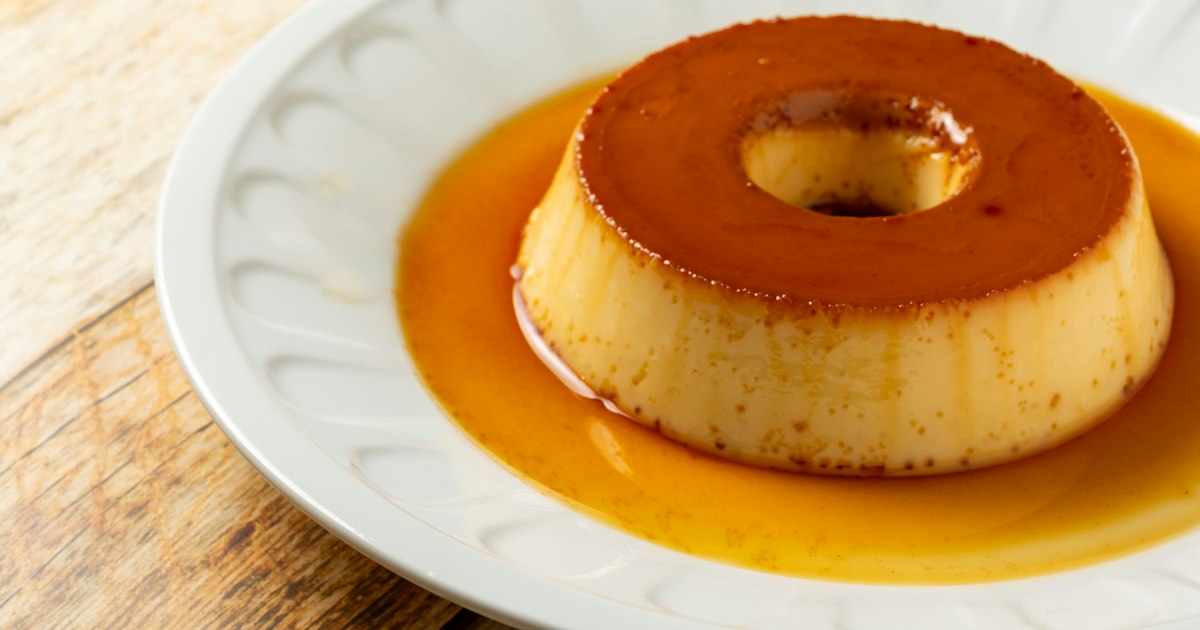
Photo by Felippe Lopes on Unsplash
Long before jiggly cheesecakes and fluffy pancakes took over Japanese dessert menus, there was purin — a dense, caramel-topped custard pudding that has been a fixture of Japanese cafés, convenience stores, and family dinner tables since the postwar years. It looks like a French crème caramel and shares its DNA, but decades of local tinkering have given it a texture, flavor, and cultural role that’s distinctly Japanese. If you’re planning a trip and want to understand what all the fuss is about — and where to actually eat it — here’s what you need to know.
What Makes Japanese Purin Different
Purin (プリン) is Japan’s adaptation of caramel custard pudding, but it splits into two very different camps. “Old-fashioned” or “retro” purin (昔ながらのプリン) is firm and dense, almost like a baked cheesecake in texture, with a layer of dark, slightly bitter caramel sauce (カラメル) on the bottom that turns into a glossy topping once you flip it out of its cup. This is the style that dominated coffee shops and department store restaurants from the 1960s through the 1980s, and it’s currently having a nostalgia-driven revival. The other camp is the ultra-soft, “purun-purun” jiggly pudding that became a social media sensation in the 2010s — so soft it barely holds its shape and wobbles when you tap the plate. Both are widely available, but they’re not interchangeable, and menus don’t always specify which one you’re getting, so it helps to ask.
A Short History: From Hotel New Grand to the Konbini Cup
Purin’s most famous origin story traces back to the Hotel New Grand in Yokohama, which is widely credited with inventing “pudding à la mode” (プリンアラモード) — a plated dessert combining custard pudding, whipped cream, and fresh fruit — for Allied officers stationed in Japan after World War II. That plated, fruit-topped format spread to hotel restaurants and old-school kissaten (coffee shops) nationwide and is still considered a classic order today. On the mass-market side, Morinaga launched its now-iconic cup pudding with the foil lid and caramel packet in 1967, and that same basic format — a small plastic cup you find in any convenience store or supermarket refrigerator case — is still how most people in Japan encounter purin day to day.
Old-Fashioned vs. Jiggly: Know the Style Before You Order
If a café menu says “なつかしいプリン” (natsukashii purin, “nostalgic pudding”) or “固めプリン” (katame purin, “firm pudding”), expect the dense, custardy retro style. If it says “とろけるプリン” (torokeru purin, “melting pudding”) or shows a photo of a pudding sagging dramatically off a spoon, that’s the soft, jiggly style. Both are usually topped with caramel sauce rather than fruit unless you’re ordering the à la mode version. Fake-food displays outside restaurants often feature purin as one of the sample dishes — if you’ve ever wondered how those uncannily realistic plastic desserts are made, our guide to sampuru, Japan’s plastic food replicas, explains the craft and where you can buy a pudding replica of your own as a souvenir.
Where to Try Purin in Tokyo and Yokohama
For the classic hotel-style pudding à la mode, go to the source: Hotel New Grand in Yokohama (10 Yamashita-cho, Naka-ku, a short walk from Yamashita Park and Chinatown), where “The Café” on the ground floor still serves the original-style dessert, generally priced in the ¥1,500–¥2,000 range. In Tokyo’s Ginza district, Shiseido Parlour (8-8-3 Ginza) is famous for its firm, old-fashioned baked pudding, sold both in the café upstairs and as a takeaway jar from the ground-floor shop; expect to pay roughly ¥500–¥600 per jar to go. A few blocks away, Ginza West (7-3-6 Ginza), a kissaten operating since the late 1940s, is a good spot for a sit-down pudding à la mode in an old-school European-café atmosphere. Most of these venues open around 11:00 and close by 20:00–21:00, and Ginza West is closed some public holidays, so it’s worth checking hours the day of your visit rather than assuming they match a weekday schedule.
Where to Try Purin in Osaka and Kobe
Kansai has its own dedicated purin culture. R.L (Ryoko Lecomte), based in Kobe, specializes in a smooth, melt-in-the-mouth style pudding sold in small jars — you’ll find a counter in the basement food halls (depachika) of major department stores like Hankyu Umeda in Osaka, generally priced around ¥400–¥500 each, making it an easy grab-and-go gift. For the jiggly extreme, head to Purin no Mise Pao in Osaka’s Nakazakicho neighborhood, known for its oversized, dramatically wobbly pudding and frequent queues on weekends — arrive close to opening if you want to avoid a long wait, and note that some locations are cash-only.
Budget to Splurge: Convenience Stores, Cafés, and Department Store Gifts
You don’t need a special trip to try purin — convenience stores like Lawson, 7-Eleven, and FamilyMart all stock individual cups for roughly ¥150–¥250, and they rotate seasonal flavors (strawberry and sakura in spring, matcha or mango in summer, chestnut or “premium rich” custard in winter), so it’s worth checking the chilled dessert case whenever you’re in one during your trip. Mid-range options are the café and depachika purins described above, generally ¥400–¥700. For a splurge, look for limited-edition gift boxes at department store food halls around Tokyo or Osaka, sometimes packaged with multiple flavors in a presentation box for ¥2,000–¥3,000 — a nice option if you’re hosting or attending a gathering with people who can eat it quickly. If you’re building out a broader Japanese sweets itinerary, pairing a purin stop with dorayaki or a slice of Nagasaki castella makes for a satisfying half-day dessert crawl, since all three represent different eras of Western influence on Japanese confectionery.
Common Mistakes and Practical Tips
The biggest mistake visitors make is treating purin as a shelf-stable souvenir to pack in a suitcase — it’s a chilled custard, not a dry snack, and it won’t survive a flight home unrefrigerated. Treat it as something to enjoy during your trip, not to bring back. Second, if you’re chasing a specific texture, don’t assume all purin is the same; read the menu description or ask “katame desu ka, torokeru desu ka?” (is this firm or melting?) before ordering, especially at unfamiliar cafés. Third, popular specialty shops like Pao in Osaka can sell out of their soft-serve-style jiggly pudding by early afternoon on weekends, so morning visits are safer. Finally, if you have any dietary concerns around dairy or egg content — relevant for travelers managing allergies alongside other health logistics, similar to the planning covered in our guide on bringing medicine into and out of Japan — note that virtually all purin contains both milk and egg, with no widely available substitute versions at the shops listed here.
There’s no strong seasonal window for purin — it’s a year-round dessert — but department stores often run flavor promotions tied to summer and New Year gift-giving seasons, so late June through August and December are good times to catch limited editions. Whether you’re grabbing a ¥180 cup from a konbini fridge between train transfers or sitting down for a proper pudding à la mode in Yokohama, purin is one of the easiest, cheapest ways to taste a specific slice of postwar Japanese food history.