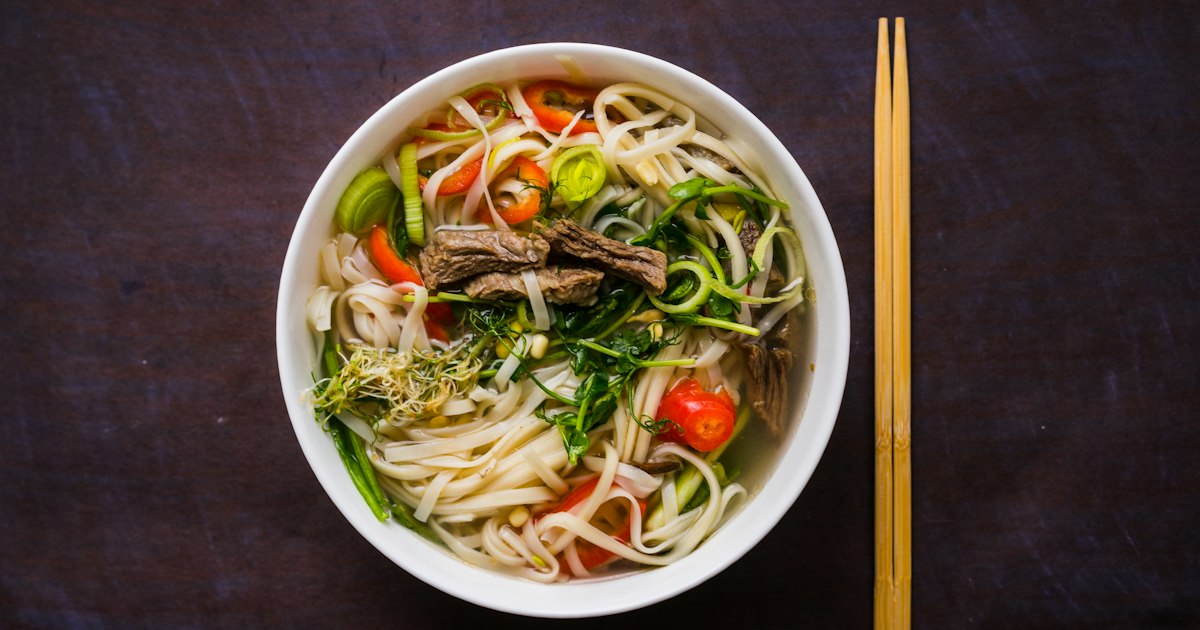
Photo by Kirill Tonkikh on Unsplash
Ask most visitors to name a regional udon and they’ll say Sanuki, the thick, springy noodle from Kagawa Prefecture that’s become shorthand for “Japanese noodle” worldwide. But Japan’s noodle map is far more fractured than that one famous name suggests. Tucked into mountain valleys, fishing islands, and old post towns are udon traditions that never scaled up, never franchised, and in some cases are barely known outside the town that makes them. Shimadani udon, from a cluster of hamlets in Tokushima Prefecture, is the clearest example — and it’s a useful entry point into a style of travel where the food itself is the reason to leave the main train line.
Shimadani Udon: Tokushima’s Hidden Valley Noodle
Shimadani refers to a mountain valley area around Mima City and Higashimiyoshi in Tokushima’s Awa region, part of a broader pocket of inland Shikoku where family-run udon-ya have operated for generations without signage, websites, or even standard business hours — some only open when the owner feels like cooking that day. This area is also home to Japan’s “udon taxi” culture: local taxi drivers carry hand-drawn maps to these unmarked shops and double as your guide, since GPS alone often won’t find them. The noodles here are thick, dense, and boiled a long time, usually served simply with soy sauce, grated daikon, or a squeeze of sudachi citrus rather than an elaborate broth.
The honest travel advice: don’t chase a specific address. Base yourself in Tokushima City or Ikeda (reachable by JR Tokushima Line, about 70–90 minutes inland), ask your lodging to call a taxi company that runs udon tours, and go in with flexible timing — many of these shops serve lunch only, from roughly 11:00 to 14:00, and close the moment the day’s noodles run out. Bring cash; card readers haven’t reached most of these kitchens.
Mizusawa Udon: Gunma’s Cold, Firm Noodle Near Ikaho
Mizusawa, near Ikaho Onsen in Gunma, is one of the three styles Japanese food writers usually group as the country’s “great udon” (alongside Sanuki and Inaniwa). It’s served cold year-round, even in winter, with a dipping sauce (tsukejiru) based on soy and sesame or miso. The noodle itself is thinner and firmer than Sanuki, with a distinct bite from being kneaded and rested longer.
Get there via JR to Shibukawa Station, then a local bus (about 20 minutes) toward Ikaho; drivers can take the Kan-etsu Expressway to the Shibukawa-Ikaho exit. The approach to Mizusawa Kannon temple is lined with a dozen-plus udon shops, so you can simply walk until a queue or smell convinces you. Expect ¥700–1,300 for a standard bowl; most shops open by 10:00 and stop serving mid-afternoon, so lunch is the move, not dinner. Pair it with a soak at Ikaho’s famous orange-tinted “Kogane no Yu” bathhouse afterward.
Goto Udon: Nagasaki’s Island Noodle Boiled at the Table
The Goto Islands, off Nagasaki, make a thin, hand-pulled (tenobe) udon using local camellia (tsubaki) oil instead of flour or starch to keep the strands from sticking — a technique born of necessity on an island with limited wheat-processing equipment. The signature way to eat it is jigoku-ni, or “hell pot”: noodles pulled straight from the boiling pot into your bowl, mixed with a raw egg and a dashi often made from ago (flying fish).
Reaching Goto takes some commitment: a ferry from Nagasaki Port (around 3 hours on the regular ferry, roughly half that on the jetfoil) or a short flight from Nagasaki Airport to Fukue Airport (about 30–35 minutes). This isn’t a casual add-on to a Nagasaki day trip — treat it as its own overnight excursion. Budget bowls run ¥600–900; splurge sets with extra ago dashi and fresh island egg push toward ¥1,500. If you’re already building out a Kyushu seafood itinerary, it’s worth putting alongside other single-region specialties the way you might plan around Izu’s kusaya — a dish defined entirely by where it’s made.
Hoto: Yamanashi’s Noodle Soup That Technically Isn’t Udon
Hoto, from Yamanashi, gets lumped in with udon constantly, but purists point out the dough isn’t salted or rested the same way — it’s a flat, wide noodle cooked unboiled, straight into a miso-based soup with kabocha squash, carrot, and leafy greens, traditionally served bubbling in an iron pot. Local legend ties it to the warlord Takeda Shingen feeding troops a one-pot meal, though take that origin story as folklore rather than documented fact.
The easiest access point is the Fuji Five Lakes area: take the JR Chuo Line to Otsuki, then transfer to the Fujikyu Line into Kawaguchiko, or ride a direct highway bus from Shinjuku (about 2 hours). Houtou Fudou, a well-known local chain with several branches near Kawaguchiko, serves sets for roughly ¥1,000–1,300. It’s a cold-weather dish by nature, so autumn and winter — when you’re also likely in the area for Mt. Fuji views — are the best season to order it. If you’re spending a few days in Yamanashi, it’s also worth timing a stop around Yamanashi’s mizu shingen mochi, since both are reasons to linger in the prefecture beyond the Fuji photo stop.
Kishimen and Shippoku: Flat Noodles and One-Bowl Feasts
Nagoya’s kishimen is a wide, flat ribbon noodle served in a lightly sweet soy-dashi broth with bonito flakes on top — long-running shops like Yamamotoya Sohonke serve it for ¥800–1,000 and it’s available at most hours, unlike the lunch-only rural styles above. In Takamatsu, Kagawa’s capital, shippoku udon is the older, more elaborate ancestor of the bare-bones Sanuki udon most tourists now eat self-serve: a single bowl topped with simmered vegetables, tofu, and sometimes mochi, historically a winter warming dish. It runs ¥500–800 and is easy to find at older udon-ya rather than the modern self-service chains.
Common Mistakes When Chasing Regional Udon
- Assuming “udon” means one texture. Ordering Mizusawa expecting Sanuki’s chew, or hoto expecting it served cold, sets you up for disappointment — ask what makes the local version different before you order.
- Showing up for dinner. Most hyperlocal udon-ya, especially in Tokushima and Gunma, are lunch-only operations that sell out and close by mid-afternoon.
- No cash. Family-run shops in valleys and on islands frequently don’t take cards; carry enough yen before you head out of the city.
- Traveling solo for taraimawashi-style udon. Some Tokushima shops serve udon communally from a large tub and set minimum orders for groups — call ahead or go with at least two or three people.
Planning the Trip
None of these are places you stumble into between train transfers — they require picking a region and committing a day. If you’re relying on maps and translation apps to find unmarked shops down mountain roads, sort out your connectivity before you leave the airport; see our guide to pocket WiFi vs. data SIM options at Narita. And if you’re traveling with friends and sharing several bowls and sides family-style, it’s worth knowing how warikan bill-splitting actually works before the check arrives, since small udon-ya rarely itemize per person. Budget travelers can do any of these styles for under ¥1,000 a bowl; the real cost is time and transit, not the noodles themselves.