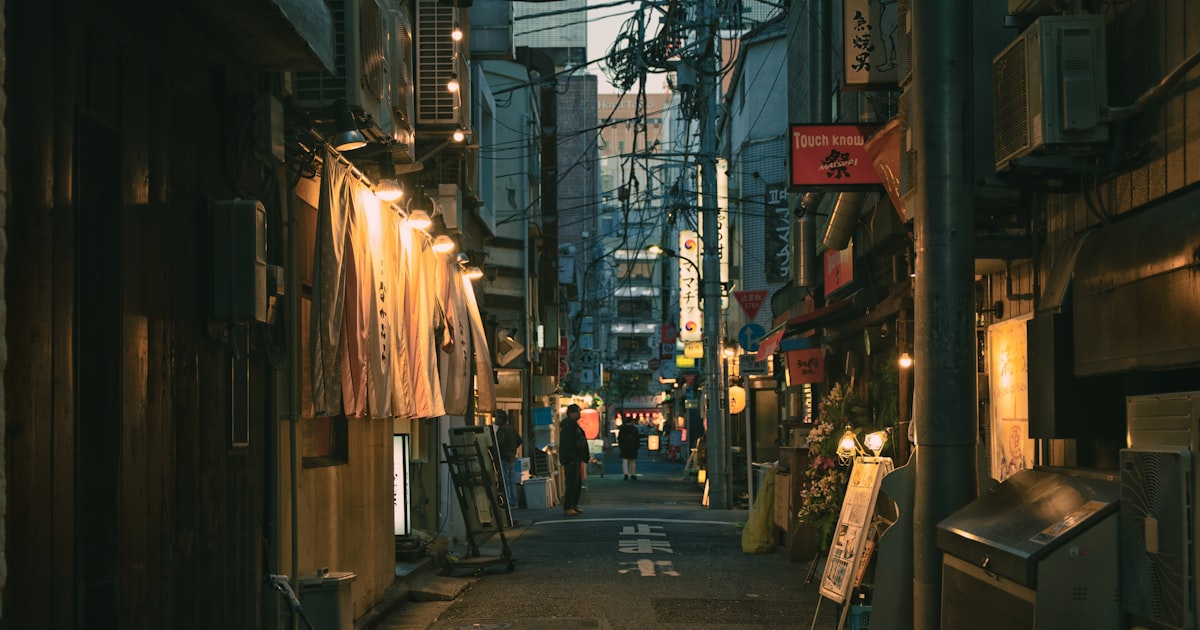
Photo by ayumi kubo on Unsplash
Shimokitazawa (locals just say “Shimokita”) is the neighborhood Tokyo sends its art students, musicians, and secondhand-clothing obsessives to live in. Unlike the glossy vintage boutiques of Harajuku’s Cat Street, Shimokita’s shops are packed into a tangle of narrow, low-rise backstreets that feel more like a college town than a capital city. It’s small enough to cover on foot in an afternoon, but dense enough with shops, record stores, and live houses that most visitors end up staying much longer than planned.
Why Shimokitazawa Is Different
Shimokitazawa has been Tokyo’s countercultural neighborhood since the 1960s theater and folk-music scene took root here, and that identity has never really faded. What makes it distinct from other shopping districts is the sheer density of independently owned shops rather than chains — vintage clothing, used records, handmade jewelry, and small theaters sit shoulder to shoulder along streets barely wide enough for two people to pass. It rewards wandering more than any single “must-see” address, though the area does have well-known anchor shops that longtime fans return to on every visit.
Getting There and Timing Your Visit
Shimokitazawa Station is served by two lines: the Odakyu Odawara Line (about 4 minutes from Shinjuku on an express train, roughly ¥160) and the Keio Inokashira Line (about 5 minutes from Shibuya, roughly ¥140). Both lines take a standard IC card (Suica/Pasmo), so there’s nothing special to plan for on the transit side. Weekday mornings and early afternoons (opening time to around 2pm) are noticeably calmer for browsing vintage racks without a crowd; by Saturday evening the main lanes near the station get genuinely packed. Most shops don’t open until 11:00 or noon and close by 20:00–21:00, so this isn’t a neighborhood for an early-morning visit — treat it as a late-morning-through-evening stop, and pair it with dinner or a live show so you’re not rushing. Spring and autumn are the most comfortable seasons for the outdoor alleys; summer humidity makes the covered arcades near the station a welcome relief.
Thrift and Vintage Shopping: What to Expect
Shimokita is Tokyo’s best-known secondhand clothing district, with dozens of shops clustered south and north of the station. Long-running names to look for include Chicago (a multi-floor shop with a strong selection of vintage kimono alongside Americana clothing), Flamingo, New York Joe Exchange (which also buys and sells on the spot), Haight & Ashbury, and several Big Time and Used Mix branches scattered through the side streets. Expect band and graphic T-shirts from roughly ¥1,500–4,000, vintage denim from ¥6,000–25,000 depending on brand and condition, and flight jackets or heavy outerwear often ¥10,000 and up. A common misconception is that Japanese vintage is cheap — it isn’t. Shops here curate and grade condition carefully, and rare or Americana pieces are priced closer to (sometimes above) what you’d pay in the US or Europe. The value is in the selection and condition, not bargain pricing. If you’re also curious about Tokyo’s other major secondhand and collector shopping district, Nakano Broadway covers vintage toys, idol goods, and manga rather than clothing, and makes a good complementary half-day trip.
Record Shops and Live Music Venues
Shimokitazawa’s record shops are a big part of its identity. Jet Set and Disk Union both have strong secondhand vinyl and CD selections spanning rock, jazz, and city pop, with used records commonly running ¥500–3,000 and rarer original pressings well beyond that. Flash Disc Ranch is a smaller, denser shop worth digging through if you’re after used vinyl bargains. The neighborhood is equally known for its live houses (small music venues) — Shimokitazawa Club Que and Basement Bar are long-standing spots for indie rock and punk, while Mona Records leans toward folk and singer-songwriter acts. Cover charges (often called a “door charge” or *charge*) typically run ¥2,000–3,500 and frequently include one drink ticket; most venues are cash-only at the door, so carry yen rather than assuming card payment. Shows are usually listed on venue websites or Twitter/X a few weeks ahead — walk-ins are common for smaller weekday shows but riskier for weekend headline acts.
Bonus Track, Reload, and the New Indie Scene
Between roughly 2019 and 2022, the Odakyu Line here was moved underground, freeing up a long strip of surface land beside the station. That space became two redevelopment projects, Bonus Track and Reload, filled with small independent shops, bakeries, breweries, and cafes built in a low, open-air style that echoes the neighborhood’s older backstreets rather than replacing them. It’s a good stop if you want a calmer, more curated contrast to the denser vintage lanes, and it’s where several newer craft beer taprooms and natural wine bars have opened. If beer is part of your Japan itinerary, our guide to craft beer in Japan covers taprooms in Tokyo and beyond worth building into a longer crawl.
Cafes, Bars, and Fueling Up
Shimokita has a dense concentration of small cafes and standing bars rather than large restaurants, which suits its walk-and-graze rhythm. Budget travelers can eat well here: curry shops and ramen counters serve full meals for ¥800–1,200, and the neighborhood’s many small izakaya (some seating under ten people) are ideal for an early evening drink and small plates before a live show. For a splurge, look toward the sit-down restaurants around Reload, where dinner with drinks runs ¥4,000–6,000 per person. If you’re coming from another older Tokyo neighborhood on your itinerary, Shimokita’s energy is a useful contrast to somewhere like Yanaka, Tokyo’s quieter old shitamachi district — pairing the two on different days gives a good sense of how differently Tokyo’s neighborhoods have aged.
Common Mistakes to Avoid
- Arriving too early. Most shops open at 11:00–12:00; showing up at 9am means empty streets and shuttered storefronts.
- Expecting steep discounts. Curated vintage is priced for its condition and rarity, not as a bargain bin — bring realistic expectations, especially for Americana and denim.
- Not carrying cash. Many smaller vintage shops, record stores, and live house doors are cash-only; ATMs at the station’s convenience stores are the easiest backup.
- Skipping the side streets. The most interesting small shops are often one block off the main pedestrian lanes near the station, not directly on them.
- Treating it as a quick stop. Shimokita rewards slow, unplanned wandering far more than a checklist of specific addresses — budget at least three to four hours.
Shimokitazawa doesn’t have a single landmark that defines a visit the way a temple or tower might elsewhere in Tokyo — its appeal is cumulative, built from an afternoon of digging through record bins, trying on secondhand jackets, and ending the night at a small live house. Come with an open afternoon, cash in your wallet, and no fixed shopping list, and it tends to deliver more than neighborhoods with a bigger reputation.