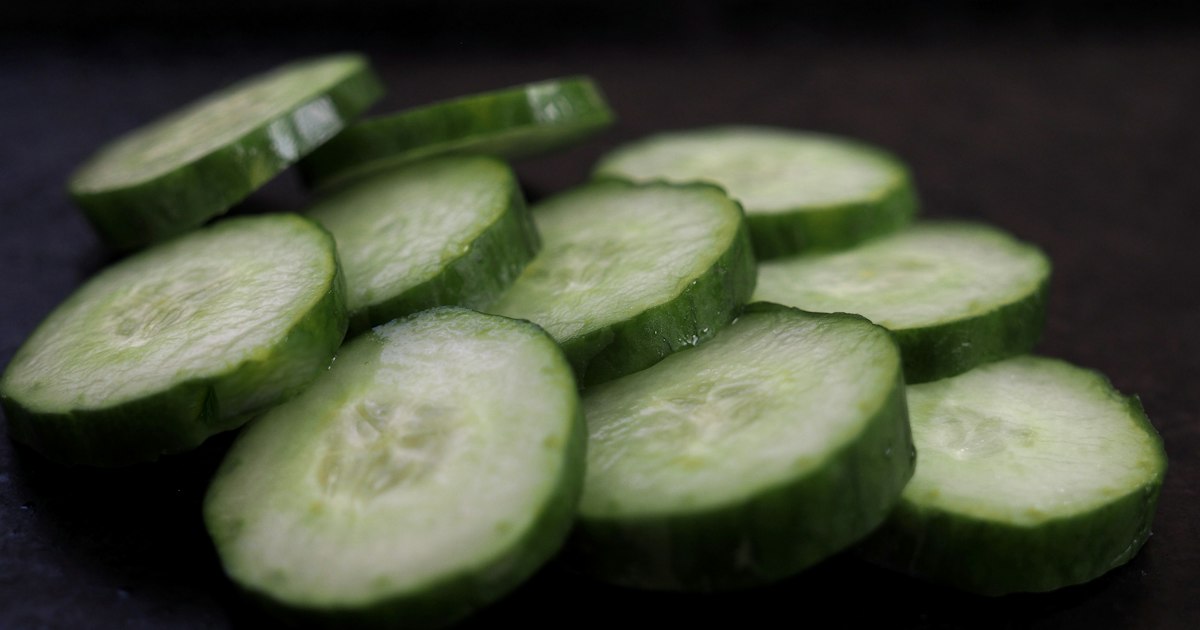
Photo by Lucie Rangel on Unsplash
Sunomono is the small, cold, vinegar-dressed dish that shows up at the edge of almost every Japanese meal tray — easy to overlook, easy to love once you know what you’re tasting. At its simplest it’s thinly sliced cucumber tossed with a vinegar dressing, but the version you get in Okinawa tastes nothing like the one in Kyoto, and knowing why makes ordering food in Japan a little more interesting. This guide covers what sunomono actually is, how the regional vinegar styles differ, where to find good versions at different budgets, and the mistakes foreign visitors commonly make with it.
What Is Sunomono, Exactly?
“Sunomono” literally means “vinegared thing,” and it’s a category, not a single recipe. The base is almost always a vegetable — most often cucumber, sometimes wakame seaweed, daikon, or octopus — salted briefly to draw out water, then dressed in a vinegar mixture and chilled. The three dressing families you’ll see on menus are:
- Sanbaizu — the everyday version: rice vinegar, sugar, and soy sauce or dashi in roughly equal measure, giving a mild sweet-sour balance.
- Tosazu — sanbaizu with bonito (katsuo) dashi stirred in, giving a deeper, umami-forward finish. Named after Tosa, the old name for Kochi Prefecture.
- Amazu — a sweeter, lighter dressing often used for pickled ginger and quick-pickle style sunomono.
Cucumber sunomono is the default, usually garnished with a pinch of sesame seeds or a few slivers of myoga ginger. It’s served cold, in a small bowl, as a palate-cleansing counterpoint to richer dishes — the same role a vinaigrette-dressed side salad plays in a Western meal, except built around rice vinegar rather than oil.
The Vinegar Makes the Dish: Regional Sweetness Differences
Japan’s vinegar culture splits roughly along the same east-west line as its soy sauce and dashi preferences. Kansai rice vinegar (Kyoto, Osaka) tends to be milder and rounder, often paired with white miso-adjacent sweetness in dressings; Kanto versions (Tokyo) lean sharper and saltier. If you’ve had sushi vinegar rice in both regions and noticed a difference, the same logic applies to sunomono dressing — it’s not your imagination. This is also why a bottle of rice vinegar bought in one region can taste noticeably different from the same brand bought elsewhere; if you’re buying vinegar or other seasonings to bring home, it’s worth tasting before you commit to a case of it. The companion guide on mirin, the sweet cooking rice wine that often gets blended into sunomono dressings instead of plain sugar, covers how to read labels and pick a good bottle.
Regional Variations Worth Seeking Out
Once you’re looking for it, sunomono turns out to have real regional personality:
- Kochi (Tosa) tosazu-zuke — the bonito-dashi version isn’t just a condiment here, it’s a point of local pride, since Kochi is Japan’s bonito capital. It shows up alongside the prefecture’s famous seafood feast platters; see Sawachi Ryori for where to try the full spread, which almost always includes a tosazu-dressed dish.
- Okinawa — cucumber sunomono is often mixed with local ingredients like island pork or mozuku seaweed, and the vinegar can be sharper to cut through richer Okinawan dishes.
- Hokkaido — crab or scallop sunomono is common in coastal towns, since the vinegar works well against very fresh, naturally sweet seafood.
- Kansai kaiseki settings — sunomono appears as one of the small fixed courses, usually understated and seasonal (wakame and cucumber in summer, citrus-dressed daikon in winter).
If you’re staying at a ryokan with a kaiseki dinner included, sunomono will likely appear as one of the smaller courses rather than something you order separately — worth knowing if you’re deciding between meal plans. The breakdown in Onsen Ryokan Meal Plans Explained is useful for figuring out whether a kaiseki-included plan is worth the price difference over room-only.
Where to Eat Sunomono: Budget to Splurge
Budget (¥150–250): Convenience stores — Lawson, 7-Eleven, FamilyMart — sell pre-packed cucumber or wakame sunomono in the chilled side-dish section, usually near the salads and tofu. It’s a reliable way to try the basic version cheaply, and a good gut-check for what “correct” tastes like before you order it at a restaurant.
Mid-range (¥350–600): Izakaya menus list sunomono as a small appetizer, often under a “otsumami” or cold dishes section. It’s a good opening order while you wait for grilled items, and pairs well with beer or sake precisely because of the acidity.
Splurge (included in ¥8,000+ kaiseki courses): At a proper kaiseki restaurant or ryokan dinner, sunomono is folded into the course as a small, deliberately seasonal dish — you won’t order it separately, but it’s worth paying attention to since the chef’s vinegar ratio and garnish choice say a lot about their style.
Department store basement food halls (depachika) are a good middle option too — prepared sunomono sold by weight, typically ¥400–800 for a 100g portion, often fancier versions with crab or shrimp mixed in.
Best Season and Timing to Order It
Sunomono is eaten year-round, but it’s most prominent — and tastes best — in the hot months, roughly June through September, when cold, acidic, hydrating dishes are what Japanese menus lean on to counter the humidity. Cucumber is also in peak domestic season then, so it’s crisper and cheaper. In winter, menus often swap cucumber for daikon or turnip in the same vinegar dressing, so don’t be surprised if “sunomono” in January looks different from the summer version — ask what vegetable is in it if you have a preference.
Common Mistakes Visitors Make
- Assuming it’s a main dish. Portions are intentionally small (a few tablespoons). Order two or three other dishes alongside it.
- Skipping it because “salad” sounds bland. There’s no oil and almost no raw bitterness — it’s closer to a quick pickle than a lettuce salad, and it’s meant to be sharp.
- Expecting leftovers to travel home. It’s served cold and dressed, so it doesn’t hold up, and most restaurants won’t box it up anyway — see Doggy Bags in Japan for why takeaway requests are routinely declined.
- Confusing it with namasu. Namasu is a related but distinct cold vinegared dish, usually involving julienned daikon and carrot, common at New Year’s. If a menu lists both, they’re not interchangeable.
Bringing the Flavor Home
Making sunomono at home only needs rice vinegar, sugar, salt, and a cucumber, so it travels well as a souvenir recipe. Buy a bottle of unseasoned Japanese rice vinegar (not the pre-sweetened “sushi vinegar” blend, which locks you into one ratio) from any supermarket, and a small bottle of light soy sauce if you want to try tosazu-style. If you’re also picking up mirin to round out the sweetness the way many home cooks do, the guide to buying mirin in Japan explains the difference between hon mirin and the cheaper mirin-fu seasoning sold next to it — the distinction matters more for sunomono than you’d expect, since a cheap substitute can throw off the whole balance.