Some links below are affiliate links. If you book through them, Japan Trove may earn a small commission at no extra cost to you.
Staying at a ryokan — a traditional Japanese inn — is one of the most memorable things you can do in Japan. Here’s what to expect and how to choose one.
What is a ryokan?
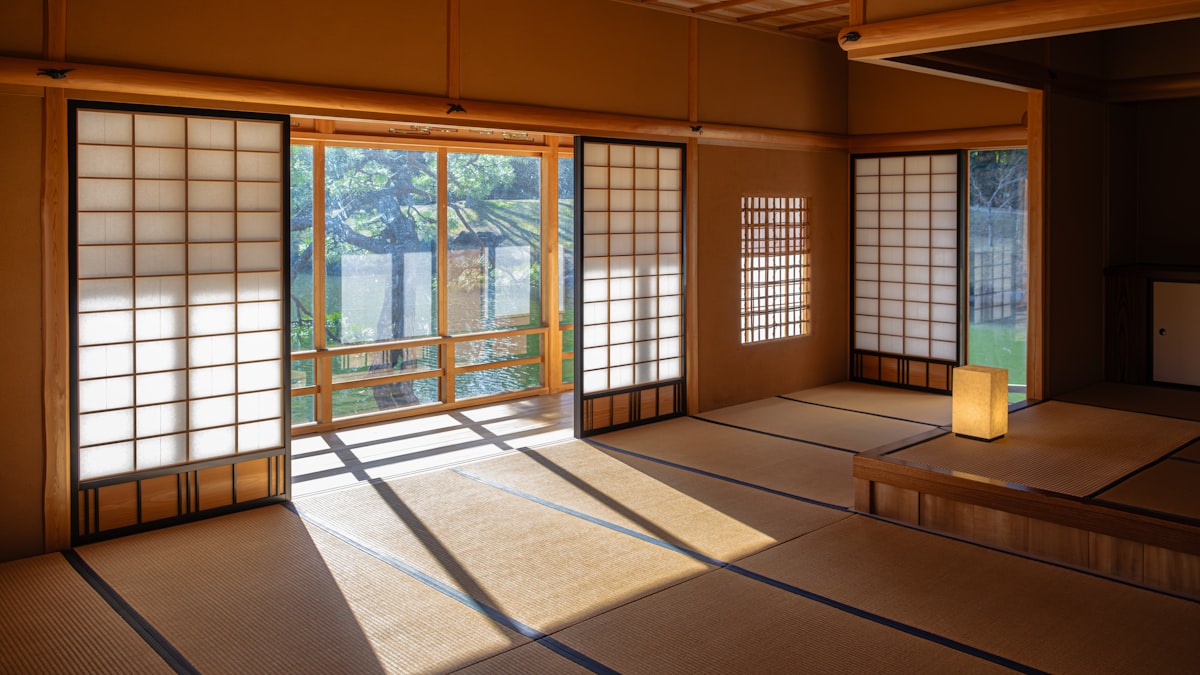
A ryokan is a traditional inn with tatami-mat rooms, futon bedding, communal or private hot-spring baths, and often exquisite multi-course meals. It’s less a hotel than a full cultural experience — hospitality (omotenashi) is the whole point.
What’s usually included
- Kaiseki dinner — a seasonal multi-course feast, often served in your room or a private dining space.
- Breakfast — a traditional Japanese spread (grilled fish, rice, miso, pickles).
- Onsen access — public baths and sometimes private ones. Tattooed? See our tattoo & onsen guide.
- Yukata — a cotton robe to wear around the inn.
Ryokan etiquette
- Remove shoes at the entrance; wear the provided slippers (and separate toilet slippers).
- Wash thoroughly before entering the shared bath; no swimsuits.
- Meals and baths often run on a schedule — check times at check-in.
- More in our etiquette guide.
How much does it cost?
Ryokan are typically priced per person, including dinner and breakfast — often 15,000–40,000+ yen per person. Luxury ryokan go far higher; simpler ones and minshuku (family-run) are cheaper. See our Japan budget guide.
Where to stay in one
- Onsen towns like Hakone, Kinosaki, and Beppu — see best onsen towns.
- Kyoto for machiya-style inns; Takayama and Kanazawa for tradition.
- Book early — good ryokan fill up. Compare on Booking.com and Agoda .
Tips for first-timers
- Book at least one ryokan night — it’s a highlight of any trip.
- Arrive by mid-afternoon to enjoy the bath before dinner.
- Pack light; use luggage forwarding to send big bags ahead.
Weave a ryokan night into our 7-day itinerary.
What drives the price range
- Simpler ryokan and minshuku (family-run inns) start around JPY 10,000-15,000 per person with two meals, while mid-range properties with a nice onsen run JPY 20,000-35,000, and luxury ryokan with private baths and elaborate kaiseki can exceed JPY 60,000-100,000+ per person.
- Weekends and peak seasons (cherry blossom, autumn leaves, Golden Week) typically add a real premium over weekday rates — booking a weekday stay can mean a noticeably better ryokan for the same budget.
- Rooms with a private open-air bath (rotenburo) cost more than standard rooms but remove any concern about shared-bath etiquette or tattoo policies, which many first-timers find worth the extra cost for peace of mind alone.
Common mistakes to avoid
- Arriving late in the evening — ryokan hospitality is built around an afternoon arrival, bath before dinner, and an early dinner service; arriving at 8-9pm can mean missing the bath window or a rushed, less enjoyable meal.
- Skipping the yukata provided in your room — wearing it around the inn (and even to a nearby evening stroll in an onsen town) is completely normal and part of the experience, not just loungewear.
- Booking a ryokan without checking meal plan options — some let you skip dinner for a lower rate if you’d rather eat elsewhere, which can be a smart choice on a food-focused trip through a city with better dining options nearby.
Choosing your first ryokan experience
For a first stay, a mid-range property in an established onsen town (Hakone, Kinosaki, or Yudanaka) tends to offer the most reliably good experience for foreign visitors, since staff are used to explaining the customs, timing, and bath etiquette that can otherwise feel unfamiliar on a first visit.
What kaiseki dinner actually involves
A typical kaiseki course runs 8-12 small dishes served in sequence, each showcasing a different cooking technique and seasonal ingredient rather than one large plate — pacing yourself across the full meal (which can run 90 minutes to two hours) is part of the experience, not something to rush through.