Hiroshima pairs a moving history with one of Japan’s most beautiful islands next door. It’s an easy and rewarding stop on any wider trip. Here’s how to do Hiroshima and Miyajima.
Hiroshima: the essentials
- Peace Memorial Park & Museum — a powerful, essential visit remembering the 1945 atomic bombing.
- A-Bomb Dome — the preserved ruin and UNESCO site by the river.
- Hiroshima Castle and Shukkeien Garden for a calmer afternoon.
- Okonomiyaki, Hiroshima-style — layered with noodles; don’t miss it.
Miyajima (Itsukushima)
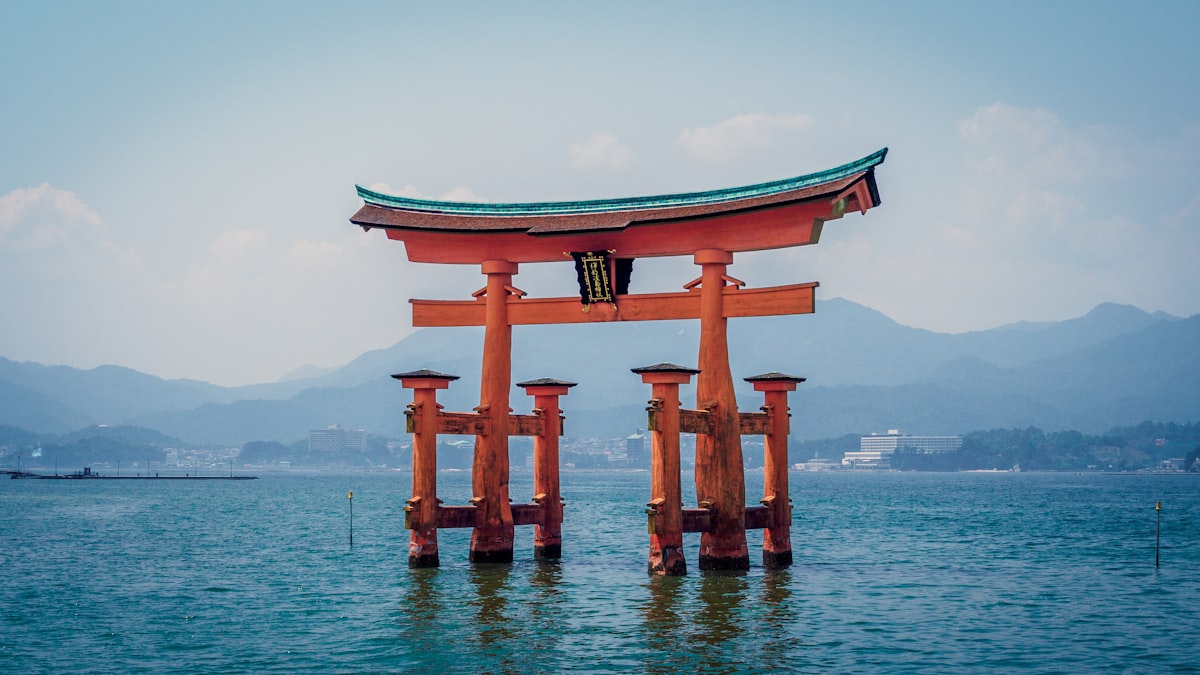
- The floating torii gate — the iconic vermilion gate that appears to float at high tide.
- Itsukushima Shrine — the over-water shrine complex.
- Mount Misen — hike or take the ropeway for island views.
- Friendly deer roam the town (don’t feed them; watch your maps and snacks).
- Momiji manju — maple-leaf-shaped cakes, the local sweet.
Getting there
- Hiroshima is on the shinkansen line — about 1.5 hours from Osaka, ~4 from Tokyo.
- To Miyajima: local train/tram to the ferry terminal, then a short ferry (JR ferry is covered by the JR Pass).
- Time the ferry for high tide to see the torii “float.”
How long to stay
You can day-trip Hiroshima + Miyajima from Osaka/Kyoto, but an overnight lets you enjoy Miyajima after the day-trippers leave. See accommodation tips and plan with our 14-day itinerary.
Tips
- The Peace Museum is emotionally heavy — allow time and space for it.
- Check the tide schedule before your Miyajima visit.
- Carry an eSIM and an IC card for the trams and ferry.
What things cost
- The Peace Memorial Museum costs JPY 200 entry, remarkably affordable given the scale and importance of the exhibits — budget at least 90 minutes to two hours to go through it properly rather than rushing.
- The JR ferry to Miyajima is covered by the JR Pass and costs about JPY 200-360 without one; the ropeway up Mount Misen runs JPY 2,000 round-trip if you’d rather not hike.
- A momiji manju box (the maple-leaf cakes) runs JPY 700-1,200 for a set of 8-10, sold throughout Miyajima’s main street and a classic, inexpensive omiyage.
Common mistakes to avoid
- Timing your Miyajima visit around low tide by accident — the floating torii only “floats” at high tide; at low tide, visitors can walk right up to its base, which is also interesting but a completely different photo than most people expect, so check the tide table specifically before planning your ferry time.
- Bringing food out in the open near Miyajima’s deer — they’re accustomed to visitors and will actively approach and grab food, including out of open bags; keep snacks and paper maps out of sight, not just out of reach.
- Rushing the Peace Park to fit in Miyajima the same day — both deserve real time, and while a combined day trip is doable, an overnight lets you experience Miyajima’s shrine lit up at night after day-trippers leave.
Understanding the Peace Park’s layout
The park is designed as a walking route from the A-Bomb Dome through the Memorial Cenotaph to the museum, built along a sightline connecting them symbolically — following this intended path rather than jumping between sights out of order gives the visit a more coherent, respectful arc.
Combining with a wider Chugoku-Shikoku route
Hiroshima’s position on the Sanyo Shinkansen line makes it a natural link between Kansai and Kyushu, or a jumping-off point to Shikoku via the Onomichi-Imabari cycling route — worth considering as more than a there-and-back trip if you have time for a wider western Japan loop.