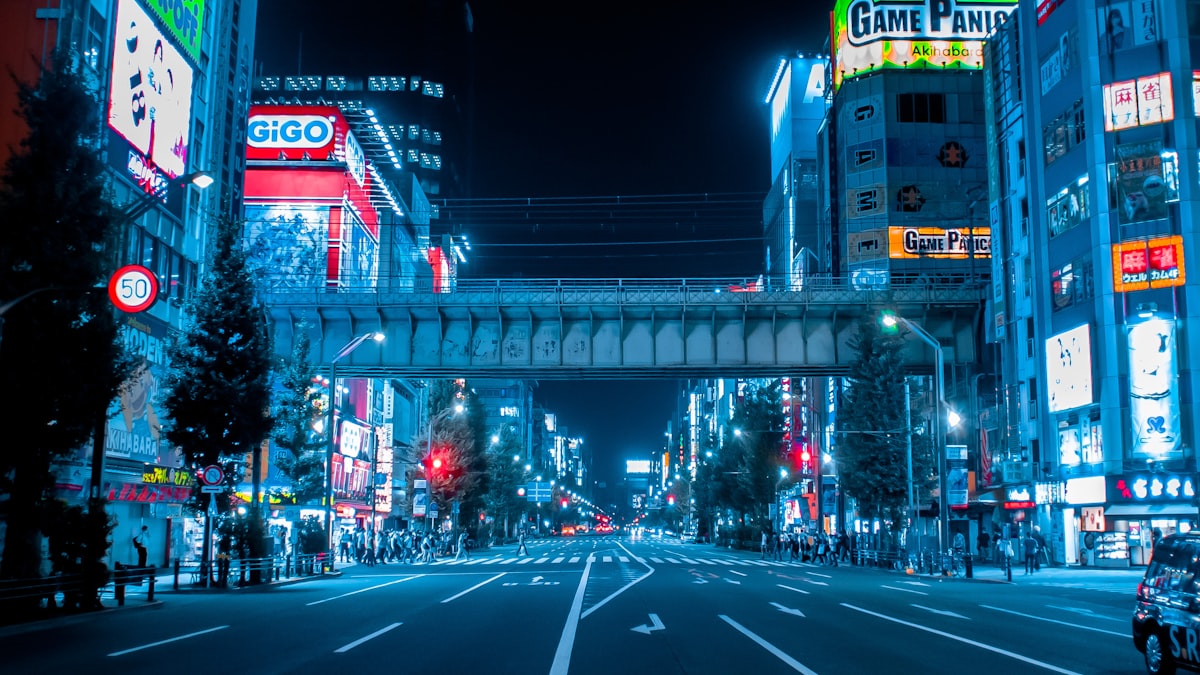
Akihabara — “Akiba” — is Tokyo’s electric town and the beating heart of anime, gaming, and gadget culture. Here’s how to shop it without getting overwhelmed.
What Akihabara is famous for
- Anime & manga goods — figures, merch, doujinshi, and more.
- Electronics — from tiny components to the latest gadgets.
- Retro & current gaming — consoles, cartridges, and arcades.
- Otaku culture — maid cafes, gachapon halls, and themed stores.
Stores to know
- Yodobashi Akiba — a giant one-stop electronics department store, tax-free for tourists.
- Mandarake — floors of collectibles, vintage figures, and manga.
- Super Potato — the famous retro-game shrine.
- Animate & Kotobukiya — anime merch and model kits; see buying anime figures.
- Gachapon halls — walls of capsule-toy machines.
Shopping smart
- Bring your passport for tax-free at big stores.
- Compare prices between floors and shops — used goods can be great value.
- Check voltage/region compatibility on electronics and games; see buying Nintendo games.
- Chasing Pokémon? See where to buy Pokémon merch.
Tips
- Weekends are busy; the main street (Chuo-dori) goes pedestrian-only on Sundays (weather permitting).
- Building basements and upper floors hide the best specialist shops — look up.
- Can’t carry it all? Use a proxy service to ship home.
Akiba is a half-day easily — pair it with the rest of our Tokyo guide.
What things cost
- Used figures and collectibles at Mandarake run a wide range, JPY 500 for common items to JPY 50,000+ for rare, boxed, or discontinued pieces — the grading system on display tags is worth learning on your first visit.
- Retro games at Super Potato run JPY 1,000-8,000 depending on rarity and condition, often cheaper than equivalent Western retro-gaming marketplace prices despite the shop’s cult reputation.
- A gachapon hall session realistically runs JPY 1,000-3,000 in coins if you’re trying for a few specific items, on top of whatever else you buy in the district.
Common mistakes to avoid
- Only visiting ground-floor shops — many of Akihabara’s best specialist stores are on upper floors or basements of nondescript buildings; looking up at building directories as you walk reveals far more than street-level browsing alone.
- Shopping only on a weekend — Chuo-dori’s pedestrian-only Sunday hours are fun for atmosphere but also the most crowded time to actually browse inside shops; a weekday visit is more efficient for serious shopping.
- Not budgeting time separately for electronics versus collectibles — Yodobashi Akiba alone can take an hour to properly browse, and treating the whole district as a quick single stop usually means shortchanging one category or the other.
A practical half-day sequence
Start with Yodobashi Akiba for electronics while you’re fresh, move to Mandarake and Super Potato for collectibles and retro games, and finish at a gachapon hall or Animate for smaller, lighter souvenirs — ending on the lightest, most packable purchases makes sense if you’re carrying everything for the rest of the day.
Akihabara beyond the shopping
Maid cafes and themed cafes are a genuine part of the district’s culture, not just a novelty for tourists — a short visit (most run a cover charge plus a drink minimum, roughly JPY 1,500-2,500 total) gives a taste of otaku entertainment culture that complements the shopping rather than distracting from it.