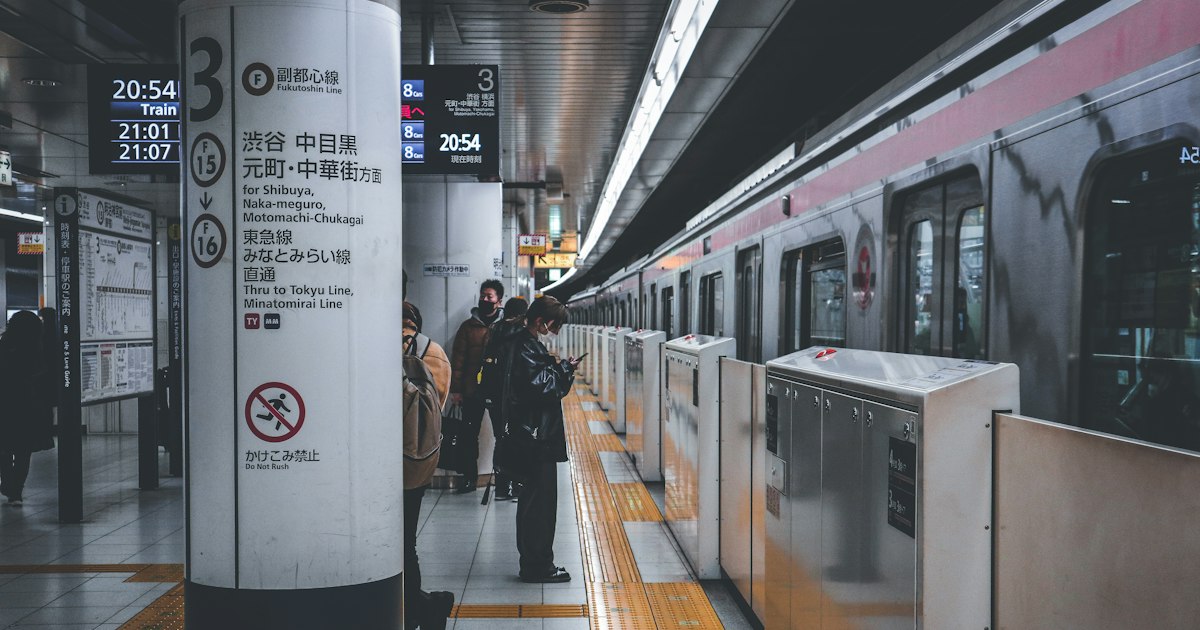
Tokyo’s train map looks like a bowl of noodles, and the number of “unlimited ride” passes on offer doesn’t help — Tokyo Subway Ticket, Tokyo Furii Kippu (Tokyo Free Pass), Toei One-Day Pass, the JR Tokyo Wide Pass, and more all promise savings but cover different operators. If you’re only comparing two of the most commonly recommended options — the Tokyo Subway Ticket and the Tokyo Furii Kippu — here’s what actually separates them, and which one will save you money based on your real itinerary rather than a brochure.
What Each Pass Actually Covers
The Tokyo Subway Ticket covers exactly two operators: Tokyo Metro (9 lines) and Toei Subway (4 lines), for a combined 13 subway lines. It does not cover JR East trains (like the Yamanote Line) or any of Tokyo’s private railways (Keio, Odakyu, Tokyu, Keikyu, etc.). It’s sold in 24-hour, 48-hour, and 72-hour versions — note that these are full 24-hour blocks from first use, not calendar days, which matters if you start riding at 3pm.
The Tokyo Furii Kippu (Tokyo Free Pass) is far broader. It covers Tokyo Metro, Toei Subway, Toei buses, the Toei Arakawa tram line, the Nippori-Toneri Liner, and — critically — JR East trains within the Tokyo metropolitan area (the 23 wards plus some surrounding zones). That JR coverage is the big differentiator: it includes the Yamanote Line loop, which the Tokyo Subway Ticket does not touch.
Prices in Plain Numbers
- Tokyo Subway Ticket: 24-hour ¥800 (adult) / 48-hour ¥1,200 / 72-hour ¥1,500. Child prices are roughly half.
- Tokyo Furii Kippu: ¥1,600 for adults, valid for one calendar day only (it resets at midnight, not 24 hours from purchase). Children pay ¥800.
At double the price of the 24-hour Subway Ticket, the Furii Kippu only pays off if you’re genuinely using JR lines or buses that day. If your plan is subway-only — say, Asakusa to Ginza to Roppongi — the cheaper Subway Ticket wins outright.
Where to Buy Them
The Tokyo Subway Ticket is sold at Narita and Haneda airport counters (which is handy since you can buy it on arrival before you’ve even touched a train), major Tokyo Metro station ticket windows, and the Tokyo Metro Pass Office at Ueno Station. It’s also bundled into some Narita Express and airport limousine bus combo tickets, so check what you’re buying before adding it separately.
The Tokyo Furii Kippu is sold at Tokyo Metro and Toei Subway ticket offices and at JR East “Midori no Madoguchi” counters and ticket machines marked for it — not every machine sells it, so look for staffed counters if a machine doesn’t show the option. Unlike the Subway Ticket, it generally isn’t sold at the airports, so budget time to buy it once you’re already in the city, ideally the morning you plan to use it.
Which One Actually Fits Your Day
Run the math on your actual stops rather than assuming the broader pass is the better deal:
- Budget, subway-heavy day (temples in Asakusa, shopping in Ginza, Shibuya crossing, Shinjuku nightlife): the 24-hour Subway Ticket at ¥800 beats paying individual Metro/Toei fares, which run ¥180–¥330 per ride. Three or four rides and you’re already ahead.
- Mid-range, mixed day (using the Yamanote Line to hop between Shinjuku, Shibuya, and Tokyo Station, plus a subway leg or two): the Furii Kippu’s ¥1,600 only beats paying as you go if you’re taking roughly five or more rides that include JR segments. Fewer than that, and you’re better off paying individual fares or using an IC card like Suica/Pasmo and just tapping through.
- Splurge / multi-day sightseeing marathon: the 48-hour (¥1,200) or 72-hour (¥1,500) Subway Ticket is the better long-game value if your must-see list — Tsukiji outer market, Yanaka, Roppongi museums — stays within subway reach. For 72 hours straight, you’d need a lot of JR-specific trips before the single-day Furii Kippu, bought twice, would pencil out cheaper.
Common Mistakes Travelers Make
The single biggest error is buying the Tokyo Subway Ticket assuming it covers the Yamanote Line — it doesn’t, and travelers end up paying a separate JR fare on top, erasing the savings. The second mistake is timing: the Subway Ticket’s “24 hours” starts ticking the moment you first tap in, so starting at 6pm gives you a full extra morning the next day, while the Furii Kippu expires at midnight regardless of when you started, even if that’s 9pm. If you’re arriving at Narita or Haneda late in the day, the Subway Ticket’s rolling 24-hour window is more forgiving.
A third mistake is forgetting these passes don’t cover private railways — Keio, Odakyu, Tokyu, and Keikyu lines (useful for day trips to places like Chichibu via the Seibu or Tobu network, see our guide to Chichibu as an easy Tokyo day trip) require separate tickets or an IC card regardless of which pass you’re holding.
What About Just Using an IC Card?
For many visitors, especially those staying under a week and not planning an aggressive sightseeing sprint, a Suica or Pasmo IC card with pay-as-you-go tapping is simpler and often cheaper than either pass. You avoid doing the math entirely, and IC cards work across JR, subway, private rail, and most buses nationwide — useful if your trip extends beyond Tokyo to day trips like Kakunodate or further-flung regions reachable by Shinkansen. The passes only make sense once your single-day ride count climbs into the four-to-six range.
The Bottom Line
If your Tokyo day is subway stations and nothing else, buy the Tokyo Subway Ticket — it’s cheaper and more flexible across multiple days. If your route genuinely depends on the Yamanote Line loop or JR connections, the Tokyo Furii Kippu’s broader coverage justifies the higher single-day price, but only if you’re racking up enough rides to clear ¥1,600 in individual fares. When in doubt, tally your planned stops against a fare chart before you buy either one — the “unlimited” passes are only a deal when you actually use them enough to beat paying as you go.