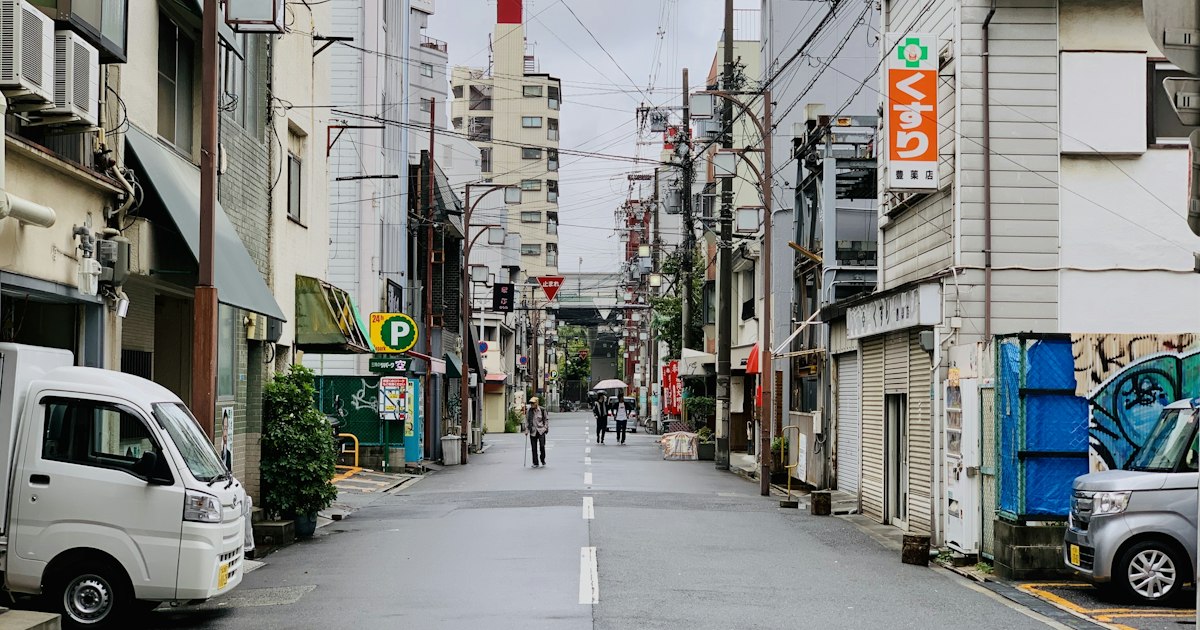
Photo by Vincent Wong on Unsplash
Getting sick on a trip is never fun, but Japan is one of the easier places in the world to handle it. The healthcare system is efficient, pharmacists are highly trained, and most cities have at least one clinic or hospital set up for foreign patients. The catch is that the system works differently from what you’re used to at home — knowing the basics before you need them will save you a lot of stress mid-fever.
Know the Emergency Numbers Before You Need Them
For a genuine emergency — chest pain, severe injury, difficulty breathing — call 119 for an ambulance (the same number covers fire). This works from any phone, including hotel landlines, and operators can often connect you to a translator, though response is faster if you have even a few words of Japanese or can hand the phone to hotel staff. Dial 110 for police. Ambulance transport itself is free regardless of insurance status, but the hospital treatment once you arrive is billed separately and in full if you’re not enrolled in Japan’s national insurance.
For non-emergencies, the Japan Visitor Hotline (050-3816-2787) run by the Japan National Tourism Organization operates 24/7 in English, Chinese, and Korean, and can help you find a nearby clinic, explain symptoms over the phone, or act as an interpreter when you’re at a pharmacy counter. Save this number in your phone before you land.
Pharmacies: Your First Stop for Minor Ailments
For colds, stomach upsets, headaches, and travel fatigue, a drugstore (doraggusutoa) is usually all you need, and you don’t need a prescription or appointment. Chains like Matsumoto Kiyoshi, Sugi Pharmacy, Welcia, and Tsuruha are everywhere near train stations, typically open 9:00 or 10:00 to 20:00 or 21:00; in big cities like Tokyo and Osaka, some locations and most Don Quijote stores stay open past midnight or around the clock. A trained pharmacist (yakuzaishi) is usually on duty and can point you to the right product even with basic English and a translation app.
Japanese brand names differ from what you know, so it helps to recognize these:
- Pain/fever reducer: Loxonin S (loxoprofen) or Calonal/Tylenol (acetaminophen), roughly ¥700–¥1,200
- Cold medicine: Pabron Gold or Benza Block, around ¥1,000–¥1,500
- Upset stomach: Seirogan (a strong, very Japanese remedy) or Biofermin, around ¥800–¥1,500
- Allergy relief: Allegra FX or Claritin EX, around ¥1,000–¥1,800
A separate category, the dispensing pharmacy (chozai yakkyoku), fills prescriptions written by a doctor and is usually attached to or near a clinic — you can’t get prescription-strength medication at a regular drugstore counter.
Visiting a Clinic: What to Expect and What It Costs
If symptoms are more than a drugstore can handle — a bad flu, an ear infection, a sprained ankle — a local clinic (clinic or iin) is the next step, and walk-ins are generally accepted during opening hours (usually weekday mornings and afternoons, with a midday break, and often closed Thursday or Sunday). Without Japanese national health insurance, expect to pay the full self-pay rate: a basic consultation runs roughly ¥5,000–¥10,000, with additional charges for any tests, X-rays, or medication. Clinics expect payment in cash or by card at the time of visit, and you’ll get an itemized receipt to submit to your travel insurance later.
Most clinics have little to no English, so this is where the Japan Visitor Hotline or a hotel concierge earns its keep. In major tourist areas, some clinics now advertise “English OK” on signage or Google listings — search “English speaking clinic” plus your city name, or check your hotel’s recommended list first, since many hotels have a standing relationship with a nearby doctor for exactly this situation.
English-Speaking Hospitals in Major Cities
For anything serious, head to a larger hospital with an international department. These see foreign patients regularly, have English-speaking staff or interpreters on call, and are used to insurance paperwork from abroad.
- Tokyo: St. Luke’s International Hospital (Chuo-ku), Tokyo Medical and Surgical Clinic (Minato-ku)
- Kyoto: Japan Baptist Hospital
- Osaka: Yodogawa Christian Hospital
Hospitalization without insurance is expensive — figure several hundred to over a thousand US dollars per day depending on the severity of your case — which is exactly why travel insurance matters more in Japan than the relatively low crime rate might suggest. Most credit card travel coverage has a low medical cap; a dedicated travel insurance policy with at least $50,000–$100,000 in medical coverage is worth the ¥1,000–¥3,000 per day it typically costs.
Before You Go: Medication and Insurance Rules Worth Knowing
Japan is strict about certain medications that are legal and common elsewhere. Pseudoephedrine (found in Sudafed and some Vicks products) and amphetamine-based ADHD medications like Adderall are banned outright — bringing them can lead to confiscation or worse at customs. If you take a prescription medication in a quantity beyond a one-month supply, or anything containing a controlled substance (including some codeine-based cough syrups), you need a Yunyu Kakunin-sho (import certificate), arranged in advance through a Japanese consulate or customs broker. For common, non-controlled prescriptions, travel with the medication in its original packaging plus a copy of your prescription or a doctor’s letter listing the generic (not brand) name, since Japanese pharmacists work from generic names and may not recognize a US or European brand.
If Illness Forces You to Change Your Plans
Sometimes getting sick means cutting a leg of the trip short or heading to a bigger city for better care. If you’re mid-itinerary on the Shinkansen network, it’s worth knowing how flexible Japan Rail actually is about changes — see our guide on Japan’s surprisingly lenient Shinkansen transfer rules, and if you booked online, our breakdown of Smart EX, EX App, and Ekinet covers how to rebook or refund a reserved ticket without a ticket counter visit. If the better option is flying back toward Tokyo or Osaka for a larger hospital, check LCC vs. JAL & ANA for domestic flights — same-day fares on the legacy carriers are often more flexible than budget airlines if your plans need to change at short notice.
Common Mistakes to Avoid
- Assuming NHS-style free care applies to you. Tourists pay full self-pay rates everywhere; travel insurance is what makes this manageable.
- Walking into a hospital ER for something a pharmacist could solve. ERs are for genuine emergencies and will cost far more for a routine cold.
- Packing banned medications without checking first. Confirm your prescriptions against Japan’s rules before you pack, not after you land.
- Not writing down the generic name of your home medications. Brand names rarely translate, and pharmacists need the active ingredient to help you.
None of this should overshadow the trip — Japan’s healthcare system is genuinely good, and most tourist encounters with it end with a quick drugstore visit and a few days of feeling better. Knowing where to go and what it costs just means one less thing to worry about if it happens.