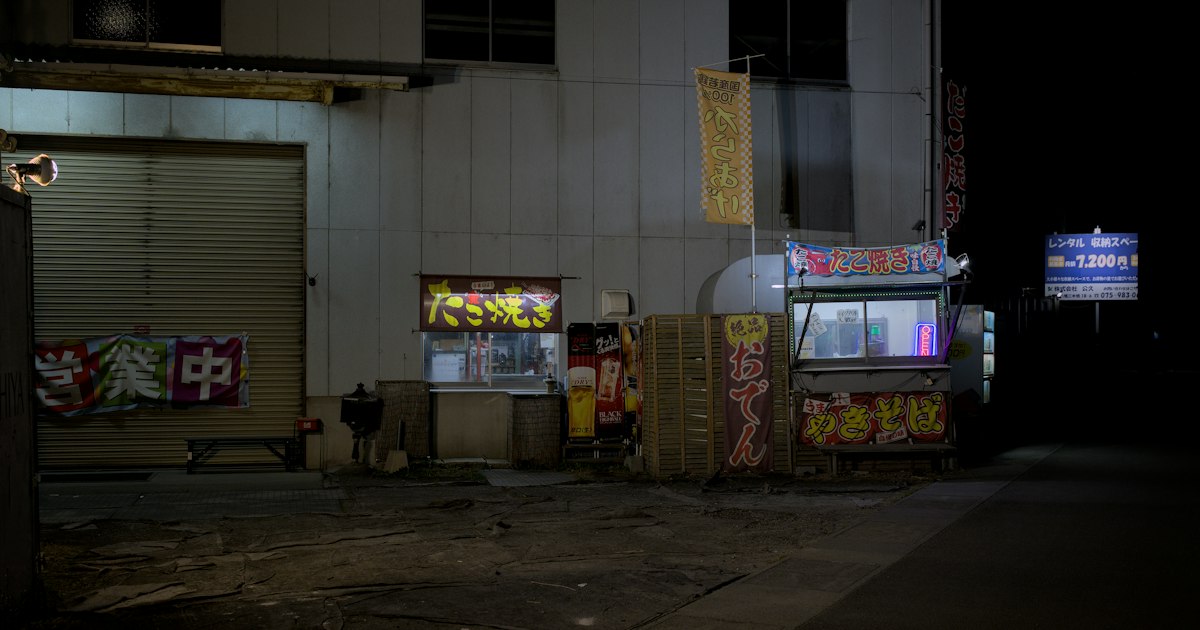
If you’ve ever walked through a Japanese summer festival and followed your nose to a smoking iron griddle piled with noodles, cabbage, and pork, you’ve found yakisoba. It’s one of the cheapest, most satisfying things you can eat in Japan, sold everywhere from neighborhood matsuri to convenience store coolers — but the name trips up a lot of visitors, and ordering at a crowded yatai stall has its own unwritten rules. Here’s how to find good yakisoba and order it without confusion.
What Yakisoba Actually Is
Despite the name, yakisoba isn’t made with soba (buckwheat noodles). It uses the same steamed, curly wheat noodles as ramen, stir-fried on a hot iron griddle (teppan) with shredded cabbage, carrot, onion, and thin strips of pork belly. The defining flavor is the sauce: a thick, dark, Worcestershire-based blend that’s sweet, tangy, and slightly smoky from the hot griddle — similar in spirit to okonomiyaki sauce but usually cooked into the noodles rather than drizzled on top. A finished plate gets topped with aonori (dried green seaweed powder), beni shoga (pickled red ginger), and sometimes a dusting of katsuobushi (bonito flakes) or a squiggle of mayonnaise.
Where You’ll Actually Find It
Yakisoba lives in three very different worlds, and the experience changes a lot depending on which one you’re in:
- Festival yatai stalls: This is the classic setting — a griddle-cook working a mountain of noodles with two metal spatulas at a matsuri, hanami cherry-blossom gathering, or fireworks festival. A tray costs roughly ¥500–700 and comes in a paper boat you eat standing up.
- Convenience stores: Lawson, 7-Eleven, and FamilyMart all stock refrigerated yakisoba packs (noodles plus a sauce sachet, ¥150–250) you microwave at the store, and instant cup versions like Peyoung (¥200–250). You’ll also find yakisoba-pan — the noodles stuffed into a hot dog-style bun — for around ¥150–250, a beloved only-in-Japan snack food.
- Restaurants: Okonomiyaki and monjayaki restaurants, teppanyaki counters, and casual izakaya almost always have yakisoba on the menu, typically ¥700–1,200, cooked fresh in front of you.
How to Order at a Festival Stall
Yatai lines move fast and the cook is usually working several orders at once on the same griddle, so keep it simple. Queue up, and when you reach the window say “Yakisoba hitotsu kudasai” (one yakisoba, please) — hold up fingers for more than one. Most stalls only make one size, though some offer a “大盛り” (omori, large portion) for an extra ¥100–200. Pay when you order, not after; small stalls are frequently cash-only, so carry ¥1,000 notes and coins. Larger festivals increasingly take PayPay or other QR codes — our guide to QR code payments in Japan explains how to set one up before you go, but don’t count on it at every stall. You’ll eat standing at a shared table or on a curb nearby — there’s rarely seating, and lingering once you’ve finished isn’t the norm when a line is still forming behind you.
Best Season and Timing
Yakisoba is sold year-round, but it’s at its festival best during natsu matsuri (summer festival) season, roughly July through August, when towns across Japan hold evening festivals with fireworks, yukata-clad crowds, and rows of food stalls. Weekend and holiday-evening festivals draw the biggest stall lineups and the longest queues, so arrive right when stalls open (often 4–5pm) if you want to avoid a 20-minute wait. Late summer festivals can run into typhoon season, which can cancel or shorten outdoor events with little notice — check our guide to typhoon season in Japan if you’re planning a trip specifically around a summer matsuri. Outside summer, you’ll still find yakisoba stalls at New Year shrine fairs, autumn harvest festivals, and school or neighborhood sports days.
Regional Styles Worth Seeking Out
Yakisoba has real regional variation, and a few towns have built food tourism around their version:
- Fujinomiya yakisoba (Shizuoka Prefecture) uses firmer, chewier noodles cooked with pork lard instead of oil, giving it a distinctly richer bite.
- Moji yakisoba (Kitakyushu, Fukuoka) is cooked with a curry-spiced sauce, a holdover from the port city’s history as an import hub.
- Yokote yakisoba (Akita Prefecture) is topped with a fried egg and a few slices of boiled pork, eaten with a side of pickles called fukujinzuke.
If you’re already building a food-focused itinerary around regional specialties, pairing a yakisoba detour with something like Nagoya’s tebasaki chicken wings makes for a solid izakaya-crawl theme.
Common Mistakes to Avoid
- Assuming it’s vegetarian. The sauce and noodle broths frequently contain bonito (fish) extract, and pork belly is standard — always ask “butaniku nashi de onegaishimasu” (without pork, please) if you need it removed, though the sauce itself usually can’t be changed.
- Confusing it with “soba.” If you order “soba” expecting the stir-fried dish, you’ll get cold or hot buckwheat noodles in broth instead — a completely different meal.
- Expecting it to be bland. The sauce is assertively sweet-savory, closer to a thick teriyaki-Worcestershire hybrid than a light soy flavor.
- Not bringing cash to festivals. Even in cities with heavy QR-code adoption, individual yatai operators often run cash-only, and ATMs aren’t nearby once you’re inside festival grounds.
Budget, Mid-Range, and Splurge Options
For budget eating, a convenience store microwave pack or cup noodle runs ¥150–250 and is available any hour. A festival yatai tray at ¥500–700 is the sweet spot for the authentic experience — smoky griddle flavor, eaten outdoors, part of the matsuri atmosphere. For a seated mid-range meal, an izakaya or okonomiyaki restaurant plate at ¥800–1,200 comes with more generous toppings and a drink menu alongside it — a cold beer or a glass of amazake if you’re at a shrine festival and want something non-alcoholic. For a splurge, some teppanyaki restaurants serve yakisoba made with premium wagyu scraps and seafood for ¥2,000–3,000, cooked table-side — a different league from the festival version but a fun way to see the same technique applied with higher-end ingredients.