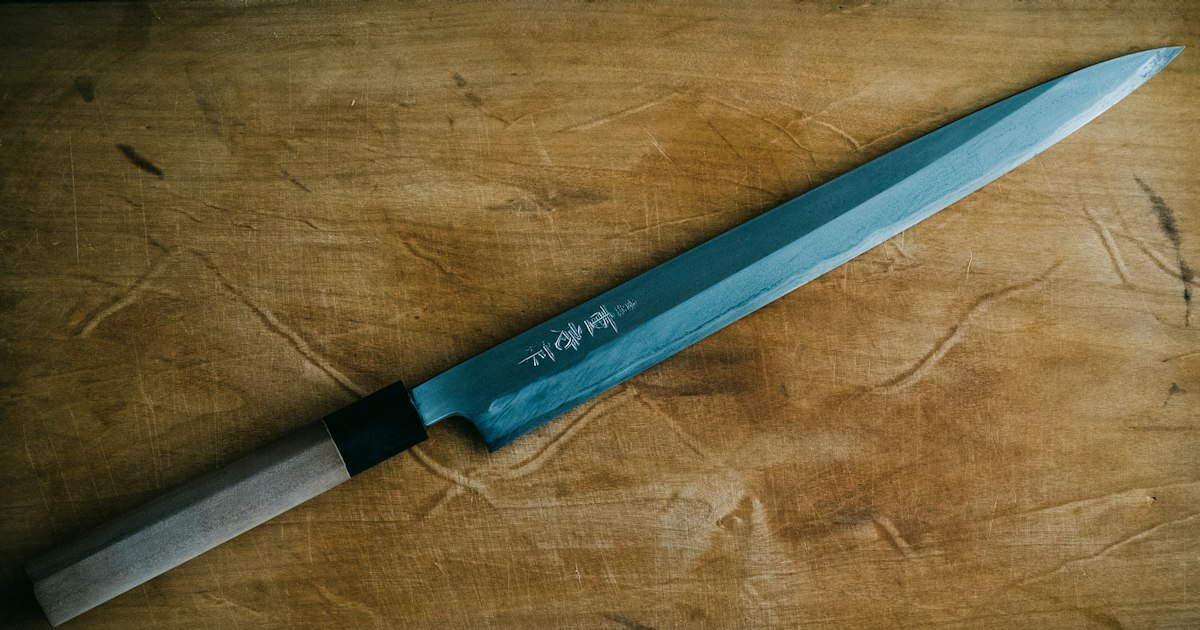
Photo by Richard Iwaki on Unsplash
An hour from Nagoya by train, the quiet city of Seki in Gifu Prefecture has been hammering out blades since the Kamakura period. Swordsmiths settled here 700 years ago because the Nagara River provided clean water for tempering, the surrounding mountains supplied charcoal and clay, and the trade routes made it easy to sell. That lineage never really stopped — it just changed shape. Today Seki forges some of the best kitchen knives in the world, alongside a small, serious community of licensed swordsmiths still making authentic nihontō by hand. If you care about blades, whether for cooking or collecting, this is one of the most rewarding day trips in central Japan.
Why Seki Became Japan’s Blade City
Seki’s swordsmiths reached their peak during the Warring States period, when demand for battle-ready katana was high and the “Seki-mono” reputation for blades that wouldn’t chip or bend spread across Japan. When swordmaking declined after the Meiji Restoration banned the public carrying of swords, Seki’s craftsmen redirected their metallurgy skills into cutlery, scissors, and razors. That pivot is why a city of roughly 85,000 people is now home to major cutlery manufacturers, including Kai Corporation (the company behind the Shun and Kai House knife lines sold worldwide) and smaller family-run forges like Moritaka Hamono, Fujitora, and Zenpachi.
Where to Buy: Museum Shops, Hamono Kaikan, and Factory Outlets
The easiest place to start is the Hamono Kaikan (Cutlery Center), a retail hall near Seki-shi Station that gathers products from multiple local makers under one roof, so you can compare brands without hopping between factories. Staff are used to foreign visitors and many can explain steel types (stainless vs. carbon, Damascus-pattern laminates) in simple terms.
For a more specialized visit, several forges run their own small shops, and some will do a basic blade engraving or sharpening while you wait — ask at the counter, since this isn’t always advertised. Budget ranges to expect:
- Budget (¥2,000–¥6,000): single-bevel paring knives, basic stainless petty knives, and sharpening stones from local makers.
- Mid-range (¥8,000–¥25,000): a proper Gyuto (chef’s knife) or Santoku in VG-10 or similar steel from a recognized brand like Kai or Fujitora — the sweet spot for most home cooks.
- Splurge (¥30,000–¥150,000+): hand-forged Damascus-pattern knives, custom-fitted handles, or a signed piece from an independent smith. Genuine hand-made nihontō from a licensed swordsmith run well into the millions of yen and are a different purchase entirely (see the mistakes section below).
Most shops accept credit cards, but smaller forge outlets may be cash-only or IC-card only — it’s worth having PayPay set up as a backup since it’s spreading even into traditional craft towns; see our guide to QR Code Payments in Japan if you haven’t used it before.
The Seki Hamono Matsuri (Cutlery Festival)
If your trip is flexible, time it around the Seki Hamono Matsuri, held annually over the first weekend of October in front of Seki City Hall. Dozens of manufacturers set up factory-direct outlet stalls with discounts of 20–50% off retail, and there are live demonstrations of traditional sword forging and blade-sharpening. It’s free to attend and draws serious knife buyers from across Japan, so arrive early on the first morning for the best selection — popular models from well-known brands can sell out by midday. Exact dates shift slightly year to year, so confirm with the Seki City tourism site before booking travel.
Seki Swordsmith Museum and Watching a Real Forging Demonstration
The Seki Swordsmith Museum (Seki Kaji Denshokan) displays finished swords, forging tools, and tamahagane steel, with English-language panels explaining the multi-week process of folding and tempering steel into a katana. It’s typically open from around 9:00 to 16:30 and closed on Mondays, with admission in the few-hundred-yen range. On select days, licensed swordsmiths perform live forging demonstrations in the attached smithy — these draw crowds, so check the current schedule locally rather than assuming a fixed date, since smiths rotate and sessions aren’t held every week.
Getting There and Planning Your Visit
From Nagoya, take a JR or private-line train to Mino-Ota Station, then transfer to the Nagaragawa Railway’s Etsumi-Nansen Line to Seki-shi Station — the whole trip takes roughly an hour and a half with the transfer. Alternatively, a direct highway bus runs from Meitetsu Bus Center in Nagoya to Seki in under an hour, which is often simpler if you’re not planning to use a rail pass that day. From Gifu Station, a local bus to Seki takes about 30–40 minutes. The city itself is compact enough to cover on foot or by rental bicycle once you arrive, with the museum, Hamono Kaikan, and several forge shops all within a 20-minute walk of each other.
Seki pairs naturally with a broader Gifu itinerary. Mino City’s old paper and pottery quarter is a short trip away if you also want to see Mino ware pottery being made, and since Nagoya is your gateway in and out, it’s worth saving an appetite for Nagoya’s tebasaki chicken wings before or after your blade shopping. Spring and autumn are the most comfortable seasons to walk around; summer in the Nagara valley gets hot and humid, so go early in the day if you visit between July and August.
Common Mistakes to Avoid
- Trying to carry a knife in hand luggage. Any bladed item, regardless of length, must go in checked baggage on flights out of Japan. Ask the shop to wrap and box it securely for transport.
- Not checking your home country’s import rules. Countries including the UK and Australia restrict certain blade lengths, locking knives, or sword imports. Research your destination’s customs rules before buying an expensive piece.
- Assuming any “katana” is a genuine antique or hand-forged sword. Decorative and display swords are sold freely as souvenirs, but authentic nihontō made by a licensed swordsmith come with a required registration certificate (Tōken Shoyū Shōmeishō) issued by the prefecture. Reputable sword shops handle this paperwork and export shipping for you — never buy a “real” sword from a stall that can’t explain the certificate.
- Overpaying for a mass-market knife mistaken for a handmade one. Ask explicitly whether a blade is machine-stamped or hand-forged (tanzo); prices and sharpening needs differ significantly, and staff will tell you honestly if you ask directly.
Seki rewards a slower visit — budget at least half a day, more if you want to watch a forging demonstration or attend the autumn festival. Few places let you walk from a 700-year-old sword tradition straight into a shop selling the kitchen knife you’ll actually use every day back home.