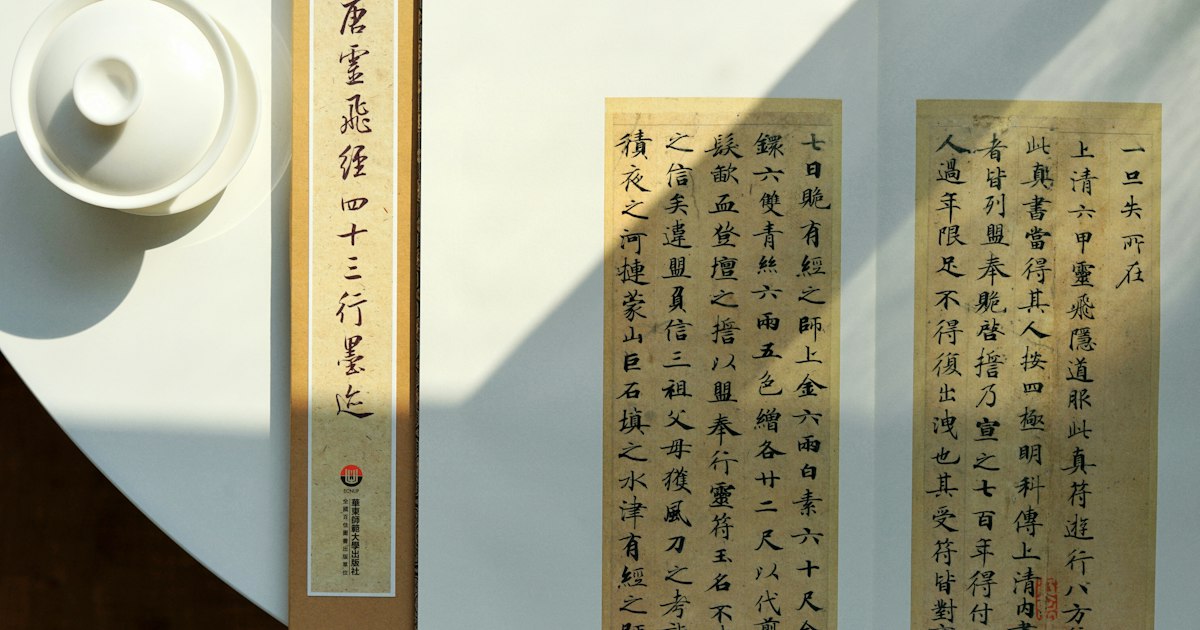
Photo by Karen Zhao on Unsplash
Walk past the ticket counter of almost any major shrine or temple in Japan and you’ll notice a small side window with a handwritten sign, a line of visitors, and someone behind the counter painting characters onto a page with a brush. That’s the goshuin counter, and the little accordion-bound book people are holding out is a goshuincho — part souvenir, part spiritual record, and genuinely one of the most satisfying things a visitor can collect in Japan. Unlike a fridge magnet, each stamp is hand-written on the spot, so no two are exactly alike, and the book itself becomes a timeline of your trip.
What exactly is a goshuin?
A goshuin (御朱印) is a seal stamped in red ink and overlaid with brush calligraphy, usually showing the shrine or temple’s name, the date, and sometimes the name of the enshrined deity or a related Buddhist phrase. Historically it was proof that a pilgrim had visited and copied or donated a sutra; today it’s offered to any respectful visitor who asks, in exchange for a small fee. It is written directly into your goshuincho (御朱印帳) — a dedicated accordion-fold notebook, usually covered in cloth or washi paper — not onto a loose piece of paper. That distinction matters: most shrines and temples will only stamp a proper goshuincho, not a regular notebook or sketchbook.
Buying your first book
You can buy a goshuincho almost anywhere that sells goshuin, which means your very first stop can double as your shopping stop. Basic books run about ¥1,000–¥1,500 at a neighborhood shrine, while famous temples (Senso-ji in Asakusa, Meiji Jingu, Kiyomizu-dera in Kyoto) sell nicer designs — often with embroidered covers, seasonal motifs, or temple-specific artwork — for ¥1,500–¥3,000. Limited-edition or artist-collaboration books at well-known temples can reach ¥4,000–¥6,000. Department stores (Tokyu Hands, Loft) and stationery shops also stock plain, undecorated goshuincho for ¥1,000–¥2,000 if you’d rather buy before you even reach a temple. Some people keep separate books for shrines (jinja) and temples (otera), since the two religious traditions are technically distinct, but this is a personal preference, not a rule — mixing both in one book is completely fine and is what most casual collectors do.
How much a goshuin actually costs
Budget ¥300–¥500 per stamp at most shrines and smaller temples. Larger or more famous sites, and anywhere offering a hand-drawn seasonal design (cherry blossoms in spring, autumn maple leaves, New Year motifs), often charge ¥500–¥1,000. A few special multi-page or large-format goshuin at head temples can run ¥1,000–¥1,500. There’s no fixed national price — it’s officially framed as a “donation” (osaimai) rather than a fee, but in practice the amount is posted or stated clearly, and you pay before the monk or shrine staff writes in your book. Always have small bills and coins ready; staff can rarely break a ¥10,000 note, and card payment is essentially nonexistent at these counters. If you’re stocking up on cash for a long trip, it’s worth reading about Japan Post Bank ATMs, which reliably accept foreign cards even in smaller towns where goshuin-collecting often takes you.
Timing, queues, and where to go
Goshuin counters usually operate within the shrine or temple’s general visiting hours — commonly 9:00 am to 4:00 or 5:00 pm — but they can close earlier than the grounds themselves, especially at quieter rural sites, so arrive at least 30–45 minutes before the stated closing time. Weekday mornings are the easiest time to get a stamp without waiting; weekends, national holidays, and the first three days of January (hatsumode season) can mean 30-minute-plus queues at popular shrines, since the monk or shrine attendant is hand-writing each one in order. Major Tokyo stops worth starting with include Senso-ji and Meiji Jingu, both well served by the city’s rail network — if you’re new to navigating it, this rundown of the Tokyo Metro vs Toei Subway systems explains how transfers actually work between the two operators. For something off the well-trodden path, remote sites like the shrines scattered across the Oki Islands offer goshuin you genuinely won’t find in any guidebook, though staffing hours there are shorter and less predictable, so check locally before making a special trip.
Etiquette and common mistakes
- Don’t skip the visit. The goshuin is meant to follow an actual prayer or visit to the main hall — walking straight to the stamp counter without paying respects is considered poor form, even if no one stops you.
- Don’t ask for extra pages or a specific date retroactively. Each goshuin reflects the day it’s written; staff won’t backdate one for a visit from last week.
- Bring exact-ish change. Fumbling for coins while a line forms behind you is the single most common tourist slip-up at these counters.
- One book, one line. Handing over someone else’s goshuincho along with your own to save a second trip through the queue is generally frowned upon at busy sites; some places now explicitly limit it to one or two books per person.
- Protect the ink. It’s wet when applied and can smudge or bleed through if the book is closed too soon — most staff will tell you to wait a minute, but a soft cover case (sold alongside the books themselves) protects pages during a long trip.
- Not every site offers one. Small neighborhood shrines, unstaffed sites, and some temples simply don’t provide goshuin — there’s no shame in asking politely and moving on if the answer is no.
Budget, mid-range, and splurge approaches
On a tight budget, a ¥1,000 plain book plus ¥300 stamps at local shrines near your hotel is enough to leave with a dozen genuine mementos for under ¥5,000. Mid-range collectors tend to pick one themed book — Kyoto temples, Tokyo’s “Shichifukujin” seven lucky gods route, or a regional pilgrimage circuit — and budget ¥500 per stamp across 15–20 stops, landing around ¥10,000–¥12,000 total including the book. For a splurge, seek out temples known for elaborate, multi-color or gold-ink goshuin (several temples around Kyoto and Nara are famous for this), where single stamps can run ¥1,000+ and a beautifully bound book itself might cost ¥5,000; these make genuinely framable keepsakes rather than everyday souvenirs.
Whichever route you take, the goshuincho rewards slowing down — it nudges you toward the quiet side shrine you’d otherwise walk past, and gives you a reason to actually step inside instead of just photographing the gate from outside. Few souvenirs carry this much of the trip itself, written in someone’s actual hand, inside pages you’ll keep adding to on your next visit.