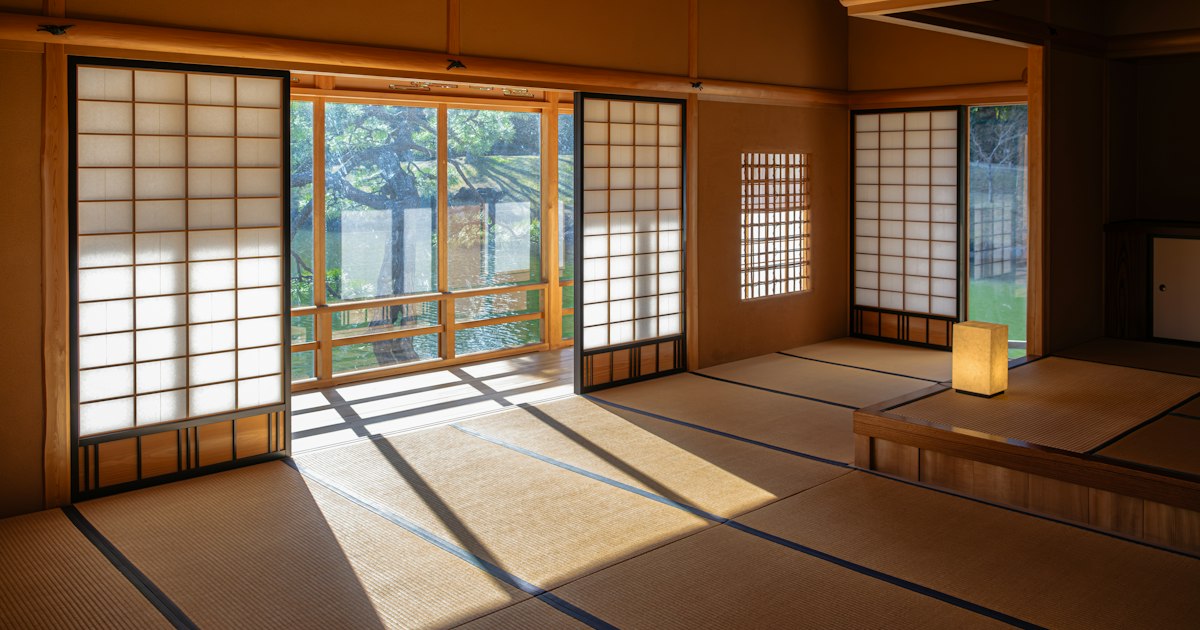
Photo by Viviana Nysaether on Unsplash
Somewhere between a budget hotel and a full-service ryokan sits the minshuku: a family-run guesthouse where you sleep on futon in a tatami room, eat breakfast at a shared table, and often chat with the owner about the best fishing spot or hiking trail in town. Minshuku exist all over Japan, from fishing villages in Okinawa to ski towns in Nagano, and they’re one of the best ways to stay somewhere affordable while actually meeting Japanese people instead of just passing through a lobby. Here’s what they actually are, what they cost, and how to book one without the usual language-barrier headaches.
What Exactly Is a Minshuku?
A minshuku (民宿, literally “people’s lodging”) is essentially a Japanese bed-and-breakfast, usually run out of a private home or a small converted building by the same family for generations. The rooms are simple tatami-mat rooms with futon bedding laid out at night, a shared bathroom down the hall (though ensuite options exist at pricier places), and communal dining rather than in-room meal service. This is the key difference from a ryokan: ryokan are more formal, often have in-room kaiseki dinners, private onsen baths, and staff in yukata attending to every detail, while minshuku are homier, cheaper, and more hands-off. Think of it as the difference between a boutique hotel and staying at a friend’s parents’ house — both can be wonderful, but the experience and price point are completely different.
What It Costs
Budget minshuku without meals run roughly 4,000–6,000 JPY per person per night. Add breakfast and dinner (often the better deal, since home-cooked minshuku meals are a highlight) and expect 7,000–11,000 JPY per person. A handful of higher-end minshuku in popular hot spring or coastal towns, especially ones with ensuite bathrooms or ocean-view rooms, push toward 13,000–16,000 JPY per person with two meals — still well under a comparable ryokan stay, which frequently starts above 20,000 JPY per person. As a splurge option within the minshuku category, look for ones specializing in local seafood or mountain vegetable kaiseki-style dinners; you’ll pay more but the food is often the real reason to stay. Payment is frequently cash-only, especially in rural areas, so carry enough yen and don’t assume a card machine will be waiting at checkout.
Where You’ll Find the Best Ones
Minshuku cluster wherever Japanese domestic tourism has existed for decades: hot spring towns, coastal fishing villages, ski resorts, and mountain trailheads. Hot spring towns like Unzen Onsen in Nagasaki have a mix of ryokan and smaller minshuku clustered around the same boiling hot spring valley, and staying at a minshuku there is a far gentler hit to the wallet than the big hotel-onsen. Canal towns and port cities with a strong local-crafts identity, such as Otaru, also have minshuku tucked into residential streets a short walk from the main sights — a good option if you want to stay the night rather than day-trip from Sapporo. In cities, minshuku are rarer but not extinct; quiet, low-key Tokyo neighborhoods like Monzen-Nakacho occasionally have small family-run guesthouses mixed in among the temples and old shops, offering a quieter alternative to staying near Shinjuku or Shibuya. Near outdoor destinations like Takachiho Gorge in Miyazaki, minshuku are often the only lodging option within walking distance, run by families who’ve hosted hikers for decades and can tell you which trail entrance to use before the tour buses arrive.
How to Book One
The easiest route for foreign visitors is through Japanese booking sites with English interfaces — Jalan and Rakuten Travel list thousands of minshuku, though English detail can be thin for the smallest ones. International platforms like Booking.com also list a growing number of minshuku, especially in tourist-heavy areas, and these tend to have clearer English descriptions and instant confirmation. For very small, old-school minshuku that aren’t on any booking platform, you may need to call directly or have your hotel concierge or a Japanese-speaking friend call for you — many of these places are run by one or two elderly family members who don’t manage an online calendar. Book at least a few weeks ahead for popular seasons; minshuku rooms are limited (often fewer than ten), and they fill up fast around Golden Week, summer Obon in mid-August, and New Year. If your trip overlaps with the autumn holiday cluster, check Japan’s Silver Week dates before you book, since minshuku in scenic areas sell out fastest during that stretch and prices can jump accordingly.
Etiquette and Common Mistakes
Take your shoes off at the entrance (genkan) without being told — there’s almost always a step up and a shoe rack. Many minshuku have a curfew or a specific check-in window, often 3:00–6:00 PM, and dinner is frequently served at a fixed time like 6:30 or 7:00 PM rather than whenever you wander in, so confirm timing when you book rather than assuming hotel-style flexibility. Tattoos can occasionally be an issue if the minshuku has a shared bath, so ask ahead or bring a waterproof cover if you’re concerned, same as you would at any onsen facility. The most common mistake foreign guests make is expecting ryokan-level service — minshuku owners are gracious hosts but not hotel staff, so don’t expect someone to carry your bags up the stairs or restock towels without asking. The second most common mistake is skipping the included meals to save money; the home-cooked dinner is usually the actual value proposition, often featuring whatever the owner’s family caught, grew, or foraged that day.
Packing and Practical Notes
Bring your own basic toiletries, since smaller minshuku often provide only a towel and maybe a toothbrush, unlike big hotels stocked with amenities. Pack a light layer for walking to a shared bathroom down the hall at night. If you’re traveling with a baby or young child, call ahead — futon-and-tatami setups can actually be easier for toddlers than a Western bed, but not every minshuku has a crib or high chair, so it’s worth checking facilities in advance the way you would for any baby-friendly travel planning in Japan. Wi-Fi exists at most minshuku now, but don’t expect blazing speed in rural mountain or island locations. Finally, bring cash in small denominations for incidentals, since even minshuku that accept cards for the room rate often want cash for extras like laundry or a bottle of local sake at dinner.
Is a Minshuku Right for Your Trip?
Minshuku work best if you want a cheaper, more personal alternative to a ryokan, you’re comfortable with shared bathrooms and simple rooms, and you’re visiting places where family-run hospitality is genuinely part of the local character — hot spring valleys, fishing ports, mountain trailheads. They’re less ideal if you need late check-in flexibility, strict privacy, or don’t eat the kind of home-style Japanese food that’s typically served. For a first trip built around Tokyo and Kyoto’s major sights, a hotel or guesthouse hybrid might suit you better; but for a regional trip through smaller towns, a night or two at a minshuku is often the most memorable lodging of the whole itinerary.