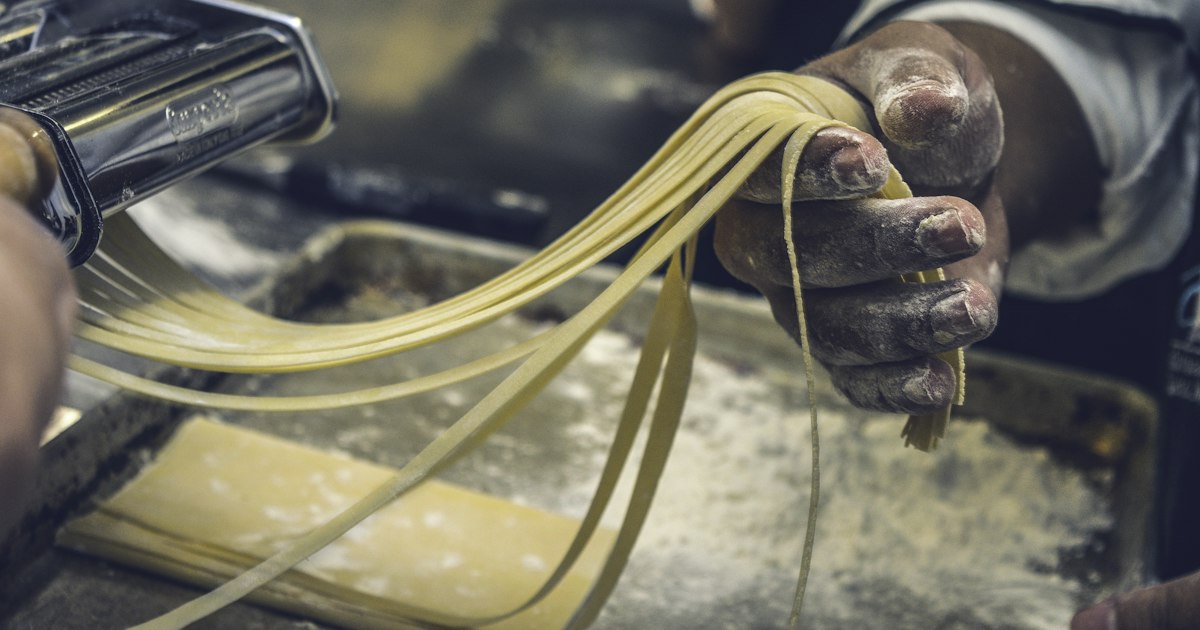
Photo by Jorge Zapata on Unsplash
Soba is one of the few Japanese foods you can learn to make from scratch in a single afternoon and actually eat the results. Unlike sushi, which takes years to master, hand-cut soba rewards a few hours of focused practice with noodles you cut yourself, dipped in a sauce you probably didn’t make but will appreciate a lot more once you understand how finicky the dough is. Classes run from casual one-hour sessions in central Tokyo to half-day immersions in the mountain villages where soba has been a staple for centuries. Here’s where to go, what it costs, and how to avoid showing up with a bowl of noodle fragments instead of noodles.
What Makes Hand-Cut Soba Different
Soba flour (buckwheat) has almost no gluten, which is what makes the noodles taste earthy and nutty but also what makes the dough maddeningly easy to crack. Traditional teuchi soba (手打ちそば, hand-struck soba) uses a ratio of buckwheat flour to wheat flour — commonly “nihachi” (80% buckwheat, 20% wheat) — kneaded into a flat disc, rolled paper-thin with a long wooden pin, folded into layers, and sliced into noodles with a straight-edged soba knife (soba-giri bōchō) and a wooden guide board (koma-ita). Every class you’ll find as a tourist teaches some version of this sequence, and the instructor’s real job is stopping you from over-kneading, under-rolling, or cutting noodles so uneven that half of them turn to mush in the boiling water.
Tokyo: The Convenient Option for Short Trips
If you only have one day to spare, Tokyo has several studios set up specifically for visitors, with English-speaking instructors and no Japanese required. The best known is the Tsukiji Soba Academy near the old Tsukiji outer market area, which runs beginner classes of roughly 70–90 minutes for about ¥4,000–5,500 per person, ending with a bowl of the soba you just cut. Sessions typically run two or three times a day, generally between 10:00 and 16:00, and groups are kept small (often fewer than ten people), so book at least a few days ahead — English-language slots fill first. A handful of cooking schools in Asakusa and Shinjuku offer similar one-off experiences, sometimes bundled with tempura-making, for ¥6,000–9,000. These are the easiest option logistically, but the dough is often pre-measured and pre-kneaded for you to save time, so you get the cutting and rolling experience more than the full process.
Nagano Prefecture: Soba’s Spiritual Home
If soba is a priority rather than a add-on, build time into your itinerary for Nagano. The prefecture’s cold climate and poor soil are ideal for buckwheat, and towns like Togakushi (near Nagano City, close to Zenko-ji Temple) have built an entire culinary identity around it — look for shops advertising “soba dojo” or “teuchi taiken” (hand-making experience). These classes run closer to ¥2,500–4,000 for 60–90 minutes, cheaper than Tokyo because they’re aimed at domestic day-trippers rather than foreign tourists, though English support is patchier, so confirm in advance if that matters to you. Matsumoto and Hakuba have similar rural soba schools, often attached to farmhouse restaurants where you eat your own noodles alongside local mountain vegetables. Getting between these small towns usually means a local bus from the nearest train station — if that’s new to you, it’s worth reading up on how flat-fare and rear-door boarding actually works before you go, since many of these routes don’t take IC cards the way city buses do.
Other Regions Worth the Detour
Takayama in Gifu Prefecture pairs soba-making with its well-preserved old town and sake breweries; several farmhouse-style venues offer half-day classes combining noodle-cutting with a multi-course meal, usually ¥8,000–12,000. Izumo in Shimane, home of the distinctive thick, dark “warigo soba” served in stacked lacquer bowls, has smaller-scale experiences tied to the Izumo Taisha shrine visit, though these are less set up for English speakers and benefit from a local guide or hotel concierge booking on your behalf. If you’re island-hopping in the south and wondering whether any of this applies to Okinawa — it doesn’t. Okinawa soba is wheat noodles in a completely different dish with no buckwheat at all; if you want to understand why, our guide to Okinawa soba explains the naming confusion.
Best Season and Timing for a Class
Soba can be made year-round, but the best time to take a class is autumn, specifically late October through November, when the year’s new buckwheat harvest (shin-soba) hits. Shops proudly label it, the flavor is noticeably more fragrant, and in Nagano this coincides with the region’s foliage season, so a soba class pairs naturally with a koyo trip — if you’re routing through the wider Chubu region for autumn leaves, the valleys around Korankei Gorge near Nagoya make a reasonable add-on before or after a Nagano detour. Summer classes are fine but the dough can get sticky and harder to handle in humidity, and instructors sometimes compensate with extra wheat flour, which changes the texture. Winter is quiet and classes run as usual, but rural venues may have reduced hours around New Year’s (late December to early January), so check ahead.
Costs, What to Expect, and Common Mistakes
Budget roughly three tiers: casual Tokyo studio classes at ¥4,000–6,000, rural half-day experiences with a meal at ¥8,000–12,000, and splurge options — private sessions with a soba master, sometimes paired with sake tasting or a kaiseki-style lunch — running ¥15,000–25,000 per person. Most classes supply aprons and headscarves; wear clothes you don’t mind dusting with flour. The most common beginner mistakes, consistently flagged by instructors: adding water too fast while kneading (it should be a slow, gradual mix, not poured in all at once); over-handling the dough, which breaks down what little gluten structure it has; rolling unevenly so one side of the sheet is thinner than the other; and cutting noodles too thick out of fear they’ll fall apart, which actually makes them gummy once boiled. Expect your first batch to look rustic — that’s normal, and it’s also why the noodles still taste good even when they’re a little uneven.
Bringing the Experience Home
Many studios sell take-home kits — a small soba knife, a cutting board, or packaged buckwheat flour — as a way to practice once you’re back. A proper soba-giri knife is a single-edged blade and counts as a legitimate souvenir rather than a novelty item, but if you’re buying one to pack in checked luggage, it’s worth a quick check of what you can actually bring back through customs, since blades sometimes raise questions that a packaged snack wouldn’t. For a smaller, lighter souvenir that still nods to the meal, a pair of hashioki chopstick rests picked up near whichever region you took your class in makes a nicer memory than a mass-produced fridge magnet, and packs flat in a suitcase.