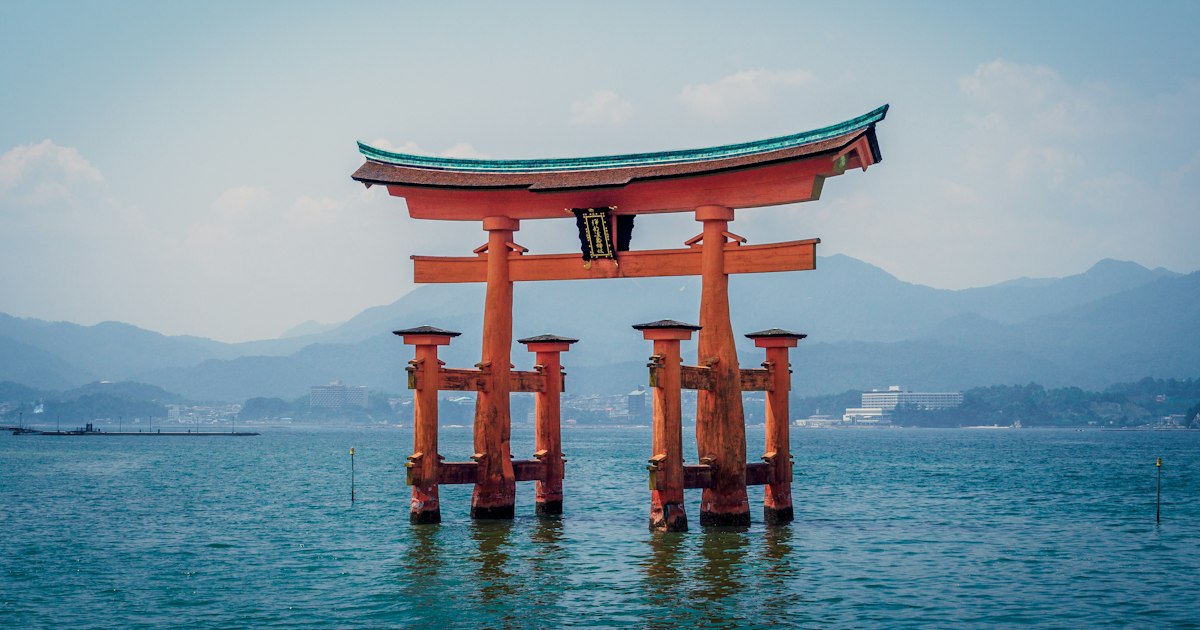
Photo by Nicki Eliza Schinow on Unsplash
Oarai is a small fishing town on the Ibaraki coast, about two hours northeast of Tokyo, that somehow manages to be three destinations at once: a pilgrimage site for fans of the anime “Girls und Panzer,” a working fishing port with some of the cheapest fresh seafood in the Kanto region, and a genuinely nice beach town with a torii gate standing in the surf. It’s an easy, affordable day trip from Tokyo, and one of the few places where you can watch tuna get sliced for lunch and buy anime character goods from the same shopping street an hour later.
Why Oarai, and why the anime connection
“Girls und Panzer” (nicknamed “Garupan” by fans) is set at a fictional high school in Oarai, and the anime deliberately used real local landmarks — the train station, the shrine, the shopping arcade — as backdrops. Since the show aired, the town has leaned into it rather than fought it: shops display character panels and signed goods, vending machines are wrapped in tank art, and the local tourism board runs a stamp rally tied to the series. You don’t need to know the show to enjoy Oarai, but if you do, half the fun is spotting the real locations against scenes you’ve seen on screen. If you’re already into the broader itabag and acrylic-stand side of anime fan culture, it’s worth reading Itabags & Acrylic Stands before you go — several Oarai shops sell blank charm bases and character acrylic stands specifically made for pilgrimage trips here.
How to get to Oarai from Tokyo
The standard route is JR Joban Line limited express (“Hitachi” or “Tokiwa”) from Tokyo or Ueno Station to Mito Station — about 70-80 minutes, with the limited express ticket plus base fare running roughly ¥4,000-4,500 one way (a bit less if you use an unreserved seat). At Mito, transfer to the Kashima Rinkai Railway’s Oarai Kashima Line for the short 15-20 minute hop to Oarai Station; this local line fare is only a few hundred yen. All in, budget around 2 hours door to door and ¥4,500-5,000 one way. Slower but cheaper: regular (non-limited-express) Joban Line trains to Mito take longer but save the limited express surcharge, which is worth it if you’re not pressed for time.
If you’re coming from the Tokyo area and already have a Visit Japan Web QR code set up for immigration and customs, this kind of regional day trip is exactly the sort of side excursion worth planning around — see Visit Japan Web if you haven’t registered yet. Oarai Station itself is small and walkable, and most sights in town are within 15-20 minutes on foot or a short local bus/taxi ride.
The sea torii and the main pilgrimage spots
The single most photographed spot in Oarai is the Kamiiso-no-Torii, a weathered stone gate standing directly in the ocean just below Oarai Isosaki Shrine. It’s free to visit, open at all hours, and best photographed at sunrise, when the sun comes up directly behind the gate — a shot that also appears in the anime. Mornings are calmer and better for photos; by midday the rocks and tide pools around it get crowded with both tourists and fishing families.
- Oarai Station — the platform and station building carry character murals and a small pilgrimage info corner; free to visit, open station hours.
- Oarai shopping street (near the station) — several shops sell exclusive Garupan goods, and restaurants run character-themed menu items; browsing is free, souvenirs typically run ¥500-3,000.
- Oarai Marine Tower — an observation tower with harbor and coastline views; admission is modest (roughly ¥500 for the observation deck) and it’s a good orientation point before you explore on foot.
A common mistake is trying to do Oarai as a rushed half-day trip squeezed between Tokyo activities. The sights themselves aren’t far apart, but the shrine, shopping street, port, and beach are spread across the town in different directions, so give yourself most of a day if you want to see all of it without sprinting.
The fishing port and where to eat seafood
Oarai is a real working fishing port, not a seafood theme park, which is why the fish is both fresh and cheap. Right in town, the Oarai fish market area near the harbor sells the day’s catch and has simple stalls where you can eat grilled or raw seafood on the spot — budget roughly ¥1,000-2,500 for a generous seafood lunch, far less than you’d pay for equivalent quality in central Tokyo.
For an even bigger and more famous market experience, cross the river into neighboring Hitachinaka City to the Nakaminato Fish Market (Nakaminato Osakana Ichiba), a short bus or taxi ride (or a walk across the Minato Bridge) from Oarai. Dozens of stalls sell fresh tuna, scallops, uni, and whatever’s in season that morning, often at prices noticeably below what you’d see at Tokyo’s Toyosu Market — if you’ve read about watching Toyosu’s tuna auction, Nakaminato is the low-key, no-reservation-needed cousin of that experience, aimed at regular shoppers rather than tourists, which keeps it honest and cheap.
Oarai’s true local specialty, though, is ankou — monkfish — served as ankou nabe (monkfish hot pot) in winter, roughly November through February/March. It’s a hearty, gelatinous, deeply savory dish that locals treat the way other regions treat crab or fugu, and several restaurants near the port run set menus for it in the ¥2,500-5,000 range depending on portion and extras. Worth noting for anime fans: the show’s tank team is literally named after this fish, a nod locals appreciate when you mention it.
Beach, aquarium, and the rest of the day
Oarai Sun Beach is a proper swimming beach with lifeguards during the official summer swimming season (roughly mid-July through late August), and it’s free and open to walk on year-round outside that window, though swimming isn’t advised off-season due to currents and lack of supervision. If you’re visiting in summer sun, bring real shade — Oarai has little natural cover on the sand — and a UV-cut folding parasol or a hat is genuinely more useful here than sunscreen alone.
Aqua World Ibaraki Oarai, a large aquarium a short bus ride from the station, is worth a couple of hours if you have kids or just like marine life; adult admission is around ¥2,000 (check the official site for current pricing before you go), and it’s known for one of Japan’s larger shark collections and an ocean sunfish (manbo) tank. The aquarium and the port area sit close enough together that you can reasonably combine both with lunch in a single afternoon.
Timing and practical notes
Spring and autumn give the most comfortable walking weather for covering the shrine, shopping street, and port in one day. Summer adds beach season but also heat and crowds around the torii at sunrise. Winter brings ankou nabe season and quieter pilgrimage spots, though the beach is purely scenic rather than swimmable. Whatever the season, check return train times before you wander — the Kashima Rinkai Railway back to Mito runs less frequently than you’d expect for a town this popular with day-trippers, and missing one by ten minutes can mean a 30-40 minute wait for the next.