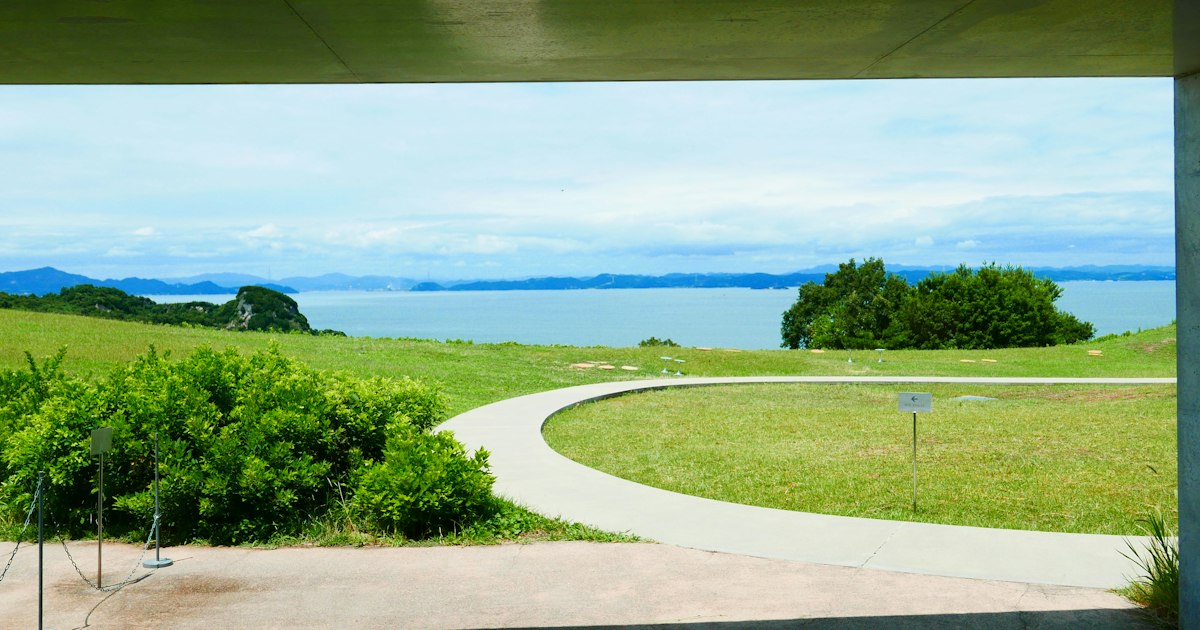
Photo by Victor Lu on Unsplash
Naoshima gets the crowds, the yellow pumpkin, and the Instagram queues. Teshima, one ferry hop away, gets a fraction of the visitors for art that’s arguably just as good — and a slower, greener island to wander while you see it. If you’ve already done Naoshima or want to skip its lines entirely, Teshima is where the Setouchi art islands start to feel personal again.
Why Teshima Is Different From Naoshima
Teshima (“island of abundance”) is a small, hilly island in the Seto Inland Sea with a year-round population of a few hundred people, mostly rice farmers. Unlike Naoshima, there’s no big-name museum cluster or resort hotel driving foot traffic — the handful of art sites are spread across terraced rice fields and old fishing hamlets, connected by narrow farm roads. You come here to walk or cycle between two or three carefully chosen works, not to check off a list. That pacing is the whole appeal, but it also means you need to plan transport and timing more carefully than on Naoshima, where everything clusters near one port.
Getting to Teshima: Ferries and Timing
There’s no bridge or direct flight — Teshima is ferry-only, and the ferries are infrequent enough that missing one can cost you two hours.
- From Uno Port (Okayama): Take the JR Uno Line from Okayama Station to Uno Station (about 40–50 minutes), then walk 5 minutes to Uno Port. Ferries to Teshima’s Ieura Port take roughly 35 minutes and run several times daily, with more departures in summer and during Setouchi Triennale periods.
- From Takamatsu Port (Kagawa): Ferries run to Teshima (Ieura or Karato port) in about 50–70 minutes, again a handful of times a day.
- From Naoshima: Some seasonal boats connect Naoshima’s Miyanoura Port directly to Teshima, but schedules are limited and change by season — don’t count on this as your only route.
Check the current timetable on the Setouchi Kanko / Ryobi Kisen ferry sites before you go, and build in a buffer — if you miss the last return ferry, you’re stuck overnight with very few lodging options. Buy tickets at the port window; they’re not usually bookable far in advance except during peak Triennale weekends.
Getting Around: Bicycles Are Essential
Teshima has almost no taxis and a limited community bus, so nearly everyone rents a bicycle at Ieura Port the moment they arrive. The island is hilly, so pay the extra few hundred yen for an electric-assist bike — a standard bike will wear you out on the climbs between sites. Expect to pay around ¥1,000–1,500 for a half-day e-bike rental, cash-friendly and first-come, first-served, so arrive on an early ferry in high season. Budget roughly 20–30 minutes of cycling between the main art sites, plus walking time once you park.
The Art: What to See and What It Costs
Teshima’s sites are deliberately few, and each charges separate admission — there’s no all-inclusive island pass, so factor ticket costs into your budget.
- Teshima Art Museum — The headline site: a curved concrete shell by architect Ryue Nishizawa housing Rei Naito’s water-and-light installation “Matrix.” Admission is around ¥1,570 for adults. Hours shift seasonally (roughly 10:00–17:00 in the warmer months, shorter in winter), and the museum is closed on Tuesdays (or the following day if Tuesday is a public holiday). Go slow inside — it’s meant to be sat with, not photographed and left.
- Les Archives du Coeur (Heart Room) — Christian Boltanski’s installation on the beach near Karato, where visitors can listen to (and record) recordings of human heartbeats. Admission is around ¥520, with a small extra fee if you want your own heartbeat archived.
- Teshima Yokoo House — A traditional house in the Ieura settlement reworked with Tadanori Yokoo’s intensely colorful pop-art installations. Admission is around ¥520.
Most of these sites close on Tuesdays and shut earlier in winter, so cross-check exact hours before finalizing your day — losing an hour to a closed museum is the most common Teshima mistake. If you’re chasing art islands in the Seto Inland Sea more broadly, it’s worth knowing Teshima isn’t the only offbeat option out here — Okunoshima, the rabbit island, is a very different kind of day trip in the same sea, further west.
Where to Eat
Food options are limited and small-scale, which is part of the charm but also a planning risk. Shima Kitchen (Shokudo), near the Yokoo House, serves a set lunch menu using local vegetables and rice — it’s popular enough that reservations or an early arrival are worth it in peak season. Beyond that, there are a couple of small cafés near Ieura Port and seasonal food stalls during the Setouchi Triennale, but nothing resembling a convenience store cluster. Bring snacks and water, especially if you’re cycling between sites in summer heat.
- Budget: Bring onigiri or bakery items from Okayama or Takamatsu before you board the ferry — there’s no convenience store on Teshima itself.
- Mid-range: A set lunch at Shima Kitchen or one of the port-side cafés, roughly ¥1,000–2,000.
- Splurge: Combine your visit with a stay on nearby Naoshima or in Takamatsu, where dinner options are far more varied.
Best Time to Visit and Common Mistakes
Spring (April–May) and autumn (October–November) offer the most comfortable cycling weather and good light for the art itself. Summer is doable but hot and humid for hill cycling; winter brings shorter museum hours and colder ferry decks. If your trip lines up with a Setouchi Triennale year, Teshima gets temporary extra installations and more ferry departures — worth checking the Triennale dates specifically, since they run in separate spring, summer, and autumn sessions rather than continuously.
The mistakes that trip up most visitors: arriving on a Tuesday when the main museum is closed, underestimating ferry infrequency and missing the last boat back, and trying to cram Teshima and Naoshima into one day — the ferry connections between them aren’t reliable enough for that. Pick one island per day, rent the e-bike, and let the pace be part of the trip.
A Simple One-Day Plan
Take the first practical morning ferry from Uno or Takamatsu into Ieura Port, rent an e-bike immediately, and ride to Teshima Art Museum first while the light and your legs are both fresh. From there, cycle to Teshima Yokoo House, have lunch at Shima Kitchen if you can get in, then finish at Les Archives du Coeur near the beach before returning the bike and catching an afternoon ferry back. That’s a realistic, unhurried loop — trying to add a fourth stop usually means rushing the museum that’s actually worth lingering in.