Photo by Jorge Escobedo on Unsplash
Tucked into the mountains of Fukui Prefecture, about an hour by rail and bus from the nearest Shinkansen stop, sits one of the finest natural history museums in the world — and most foreign visitors have never heard of it. The Fukui Prefectural Dinosaur Museum in Katsuyama is routinely grouped with Canada’s Royal Tyrrell Museum and China’s Zigong Dinosaur Museum as one of the “big three” dinosaur museums on the planet, and after a major 2023 expansion, it’s bigger, newer, and easier to justify a dedicated day trip for. Here’s exactly what you’ll see, how to get there without wasting half a day in transit, and how to avoid the mistakes that trip up first-time visitors.
Why Fukui’s Dinosaur Museum Is Worth the Detour
Fukui Prefecture is Japan’s richest dinosaur fossil site, and the museum sits right on top of the dig. Five dinosaur species were first described from fossils found in the surrounding hills — Fukuisaurus, Fukuiraptor, Fukuititan, Fukuivenator, and Koshisaurus — and you won’t see their skeletons displayed anywhere else in the world at this scale. This isn’t a museum padded out with casts and dioramas; it’s a working research institution with an active quarry a short drive away, which gives the whole visit a sense of “this is still happening” that a lot of static natural history museums lack.
Inside the Museum: What You’ll Actually See
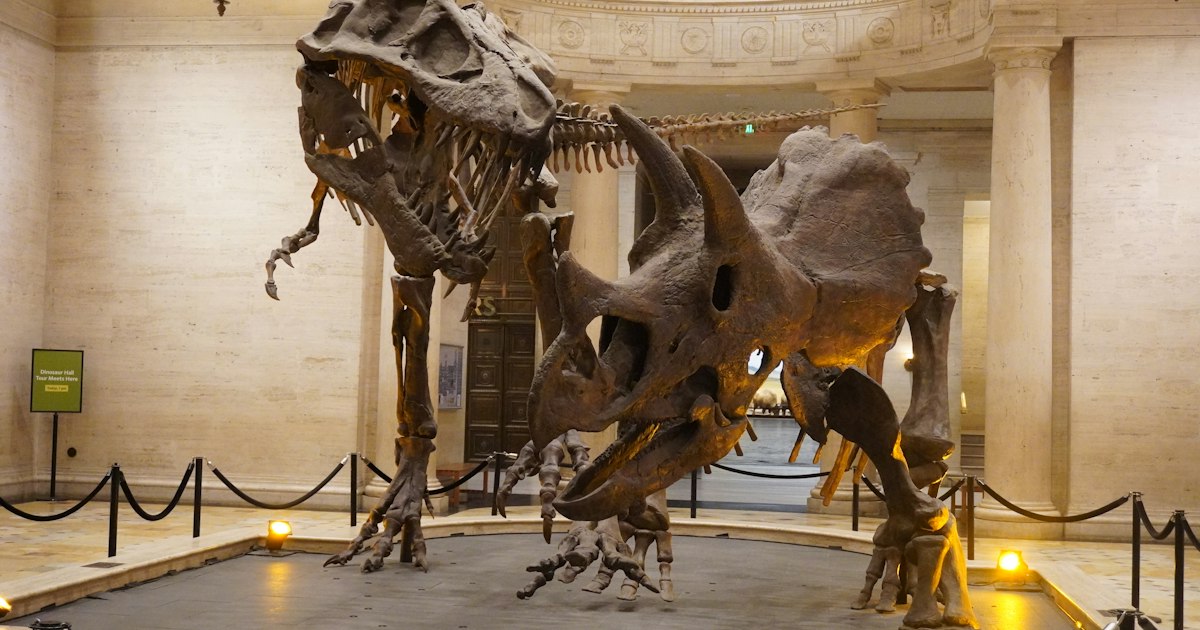
The main hall displays more than 40 full-size dinosaur skeletons, roughly 10 of which are genuine fossil specimens rather than replicas — a high ratio for a dinosaur museum anywhere. The building itself is a silver geodesic dome designed by Kisho Kurokawa, and the 2023 renovation added a new wing (Dino Street) that roughly doubled the exhibition space, including new skeletons, interactive fossil-prep displays, and better English signage throughout. Plan for a minimum of two to three hours if you want to read the exhibits properly rather than just photograph the T. rex.
Getting to Katsuyama from Tokyo, Osaka, or Kyoto
The trip got meaningfully shorter in March 2024 when the Hokuriku Shinkansen extended service to Fukui Station, cutting the Tokyo–Fukui run to about 3 hours on the Kagayaki or Tsurugi services. From Osaka or Kyoto, take the Thunderbird limited express to Fukui (roughly 1.5–2 hours).
From Fukui Station, there are two practical options:
- Train + local bus: Take the Echizen Railway’s Katsuyama–Nagaoka Line from Fukui Station to Katsuyama Station (about 60 minutes), then a community shuttle bus or taxi (roughly 10–15 minutes, around 2,000–2,500 yen by taxi) to the museum. Don’t try to walk it — the museum is about 5 km from Katsuyama Station, too far on foot with kids or luggage.
- Direct express bus (“Dino Jet”): A direct bus runs from Fukui Station straight to the museum in about 50 minutes, usually timed around weekends and the summer and New Year holiday periods. It’s the most convenient option when it’s running, and combo tickets bundling the bus fare with museum admission are sometimes sold at the station — worth asking at the tourist information counter.
If you’re already road-tripping around the Hokuriku or Chubu region, Katsuyama is an easy stop by car, with a large free parking lot at the museum itself. Travelers who’ve rented a self-drive vehicle for a longer loop — see our guide to renting a camper van in Japan — can fold this in naturally alongside stops in Gifu or the Japan Alps rather than backtracking through Fukui Station.
Hours, Tickets, and Avoiding the Line
The museum is open 9:00–17:00, with last entry at 16:30. It closes on the second and fourth Wednesday of most months (this pauses during the busy summer and spring holiday stretches) and over the New Year period — always check the official museum website calendar before you travel, since closure days shift year to year. Post-renovation admission is 1,000 yen for adults, 800 yen for university and high school students, 500 yen for elementary and junior high students, and free for preschoolers.
Weekends and the Obon week in mid-August get genuinely crowded, with queues forming before opening time. If you’re visiting in peak season, arrive right at 9:00 or check whether timed-entry tickets are being sold online in advance — the museum has used advance reservation systems during its busiest stretches since the renovation.
Make It a Full Day: Dinosaur Valley and Katsuyama Town
The museum itself is only part of the experience. A few minutes away by car is Dinosaur Valley Fukui (Kaseki no Mori), an open-air park where you can try a hands-on fossil excavation experience for a separate fee, typically a few thousand yen depending on the course. This site runs roughly spring through autumn and closes under heavy winter snow, so check seasonal availability before counting on it.
Katsuyama itself has two underrated add-ons worth the extra hour: the Echizen Daibutsu, a towering Buddha statue most tourists never hear about, and Heisenji Hakusan Shrine, whose moss-blanketed stone approach is one of the most photogenic, least-crowded shrine walks in the Hokuriku region. If your Japan itinerary already includes other small-town day trips in this part of the country, our guide to Gujo Hachiman’s water town in neighboring Gifu pairs well with Katsuyama as a “rural Chubu” theme if you have a few extra days.
Budget, Mid-Range, and Splurge Planning
- Budget (around 2,000–3,000 yen round trip from Fukui): Echizen Railway plus the community shuttle bus, basic museum admission, and a packed or convenience-store lunch eaten in the museum’s free-entry plaza area.
- Mid-range (around 5,000–8,000 yen): Dino Jet direct bus both ways, full admission, lunch at the museum’s restaurant, and a dinosaur-themed souvenir — the gift shop sells genuinely nice replica fossils and kids’ excavation kits that travel well in a suitcase.
- Splurge: Private taxi from Fukui Station, the hands-on excavation experience at Dinosaur Valley, and an overnight stay at an onsen ryokan in the Katsuyama or Awara area so you’re not rushing back to catch the last convenient train.
Common Mistakes to Avoid
The most common error is treating this as a quick stopover — the museum deserves a half day minimum, and the excavation experience and Echizen Daibutsu easily stretch it into a full one. The second is assuming you can walk or casually taxi from Katsuyama Station without checking the shuttle schedule first, especially outside peak season when buses run less frequently. Third, families should know the museum is genuinely stroller- and kid-friendly with wide, flat exhibition floors, but if you’re traveling with gear you didn’t bring from home, it’s worth knowing you can arrange delivery in advance — see our rundown on renting baby gear in Japan. Finally, don’t show up on a closure Wednesday — it’s an easy, entirely avoidable way to waste a travel day in a town that doesn’t have a lot else to fill the gap.