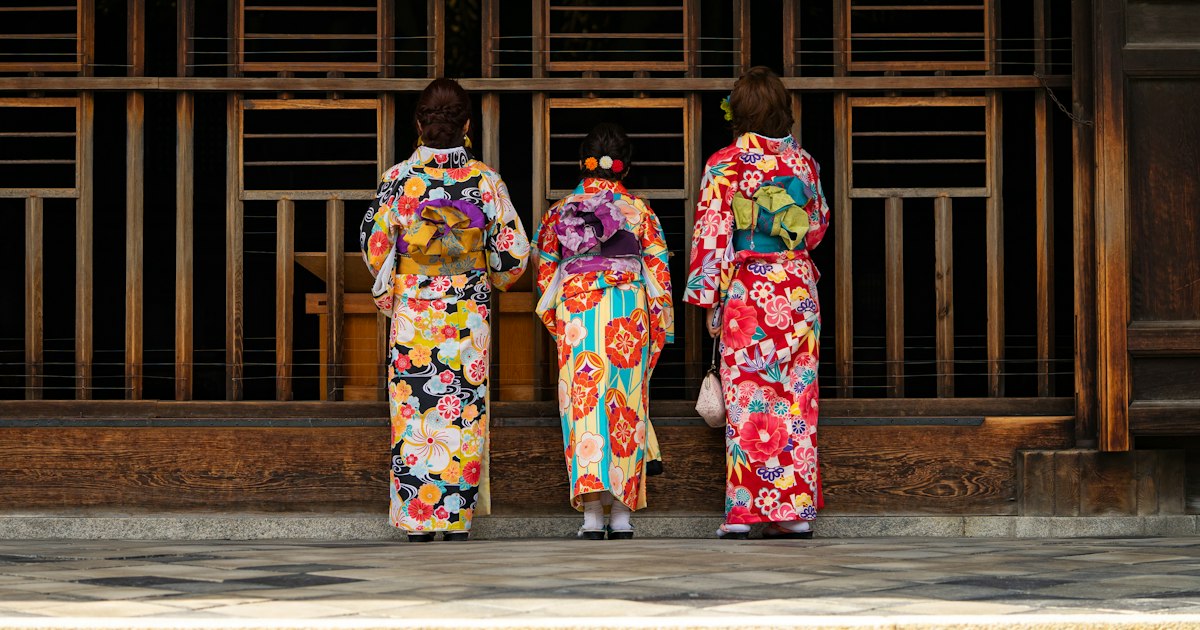
Photo by Damian Hutter on Unsplash
If you’ve seen a maiko gliding through Gion with a cascade of silk flowers trembling in her hair, you’ve seen kanzashi doing their job. These ornamental hairpins have dressed Japanese hairstyles for centuries, and today they’re one of the most satisfying souvenirs a visitor can bring home — wearable, photogenic, and available at every price point from a few hundred yen to genuine craft-level investment pieces. Here’s how to shop for them without overpaying for plastic or underbuying the real thing.
What Exactly Is a Kanzashi?
Kanzashi (簪) is a catch-all term for Japanese hair ornaments, but it covers a surprisingly wide family of objects: combs (kushi), sticks with a single ball or flower on the end, U-shaped pins, and elaborate dangling pieces that swing when you move. They’re used to hold up traditional hairstyles worn with kimono and yukata, but they’re also collected on their own as decorative art — some antique pieces in silver and tortoiseshell are museum-grade.
For most travelers, the version you’ll actually buy is tsumami kanzashi — hairpins made from small squares of silk or synthetic fabric folded and pinched (tsumami means “pinched”) into flower petals, then assembled into a cluster and mounted on a pin or clip. This is the technique behind the famous maiko hair flowers, and it’s what you’ll see for sale in kimono districts.
The Main Types You’ll Encounter While Shopping
- Tsumami kanzashi — folded-fabric flowers, the most common souvenir type, sold singly or in seasonal clusters.
- Bira-bira kanzashi — metal pieces with thin dangling strips that chime softly, traditionally silver or gilt, often antique.
- Kushi — decorative combs, usually lacquered wood or resin, worn at the crown of an updo.
- Hana kanzashi — the monthly maiko flower sets, each tied to a specific season (more on that below).
Tourist shops also sell plastic or resin versions styled to look like tsumami kanzashi. They photograph fine but feel noticeably different in hand — lighter, stiffer, and shinier than real chirimen silk crepe. Knowing the difference matters when you’re comparing a ¥600 piece to a ¥6,000 one that otherwise look identical in a photo.
What They Actually Cost
Prices vary enormously depending on material and craftsmanship:
- Budget (¥500–¥1,500): mass-produced resin or polyester clips sold in souvenir shops and kimono rental counters. Fine for a one-day photo shoot, not meant to last.
- Mid-range (¥2,000–¥8,000): genuine tsumami zaiku made from silk or good-quality chirimen, often sold in small flower clusters on a clip or U-pin. This is the sweet spot for most visitors.
- Splurge (¥10,000–¥50,000+): fully handmade kyo-kanzashi by a craftsperson, multi-tiered maiko-style seasonal sets, or antique bira-bira pieces in silver. Specialty ateliers in Kyoto sell made-to-order pieces that can run well past ¥30,000.
Vintage kanzashi found at flea markets sit in their own category — a tarnished antique silver piece might go for ¥2,000 or ¥20,000 depending on age, maker, and condition, so it pays to compare a few stalls before buying.
Where to Buy in Kyoto
Kyoto is the natural home base for kanzashi shopping, since it’s also the center of maiko and geiko culture. The Gion and Hanamikoji area has several small shops specializing in tsumami zaiku, often run by the same families that supply the maiko houses, with pieces ranging from a simple single flower to full seasonal sets. The Nishijin Textile Center, in the historic weaving district, is worth a stop too — alongside kimono fabric and obi, it stocks hair accessories and occasionally runs kimono-dressing demonstrations, generally open daily from around 10:00 to 17:00 (hours can shift around holidays, so it’s worth a quick check before you go). The Kyoto Handicraft Center near Heian Shrine is a reliable one-stop option if you want kanzashi alongside other crafts under one roof, with English-speaking staff used to tourists.
If you’d rather try making one than just buying it, several kimono studios in the Gion and Higashiyama area offer short tsumami-zaiku workshops (roughly ¥3,000–¥5,000 for about an hour), which also makes a nice rainy-day activity.
Where to Buy in Tokyo
Asakusa is Tokyo’s equivalent kanzashi district. The shops along and just off Nakamise-dori, the approach to Sensoji Temple, sell everything from inexpensive clip-on flowers to nicer silk pieces, and many sit right next to kimono and yukata rental counters — convenient if you’re already dressing up for the day and want a matching hairpin on the spot.
For a more fashion-forward, less traditional take, Harajuku’s Takeshita-dori has hair-accessory shops selling kanzashi-inspired clips aimed at street fashion rather than kimono styling — fun for layering into an everyday look rather than a formal kimono outfit. It’s an easy add-on if you’re already heading that way to check out @cosme Store’s beauty rankings. If your taste runs toward character or anime-style hair accessories rather than traditional florals, secondhand otaku shops like Mandarake sometimes carry novelty kanzashi-style clips tied to idol and anime merchandise, which is a different vibe entirely but worth a browse if that’s your interest.
Flea Markets and Vintage Hunting
For genuinely old kanzashi — the kind with real patina and silver that’s gone slightly dark — flea markets beat shops on both price and character. Kyoto’s Toji Temple flea market runs on the 21st of every month, and the Kitano Tenmangu flea market (locally called Tenjin-san) runs on the 25th; both draw antique dealers who set out trays of old hairpins, combs, and obi accessories alongside pottery and textiles. In Tokyo, the Oedo Antique Market at the Tokyo International Forum, held on the first and third Sunday of most months, is a similarly good hunting ground. Bring cash, expect to haggle a little, and inspect clasps closely — antique mechanisms can be fragile.
Common Mistakes to Avoid
- Matching formality wrong: an elaborate maiko-style seasonal set looks out of place with a casual summer yukata. Save the showpieces for a proper kimono outing or just for display.
- Assuming “silk-look” means silk: rub the fabric between your fingers — synthetic versions feel stiffer and shinier than real chirimen crepe. If the price seems too low for the detail shown, it’s probably synthetic.
- Ignoring hair type: many kanzashi are designed for thick, styled updos. If you have fine or short hair, pair the clip with a few bobby pins so it doesn’t slide out mid-day.
- Packing them loose: fabric petals crush easily in a soft suitcase pocket. Ask the shop for a small box (most will provide one) and pack it in your carry-on.
- Skipping the season check: traditional hana kanzashi follow a monthly calendar — plum blossoms in January–February, cherry blossom in March–April, wisteria in May, hydrangea in June, morning glory in July–August, bellflower and silver grass in September, chrysanthemum in October–November, and maple or bamboo in December. You don’t have to follow this rigidly as a visitor, but it’s a nice detail to know when choosing a piece, and shop staff often use it to recommend what’s in season.
Spend a full day moving between kimono rental, a shrine visit, and kanzashi shopping, and a portable charger becomes genuinely useful — renting one from a ChargeSPOT kiosk near Asakusa or Gion means you won’t be scrambling for an outlet mid-photoshoot. Whichever piece you end up with, a well-chosen kanzashi is one of the few souvenirs from Japan that’s both decorative and genuinely wearable long after the trip ends.