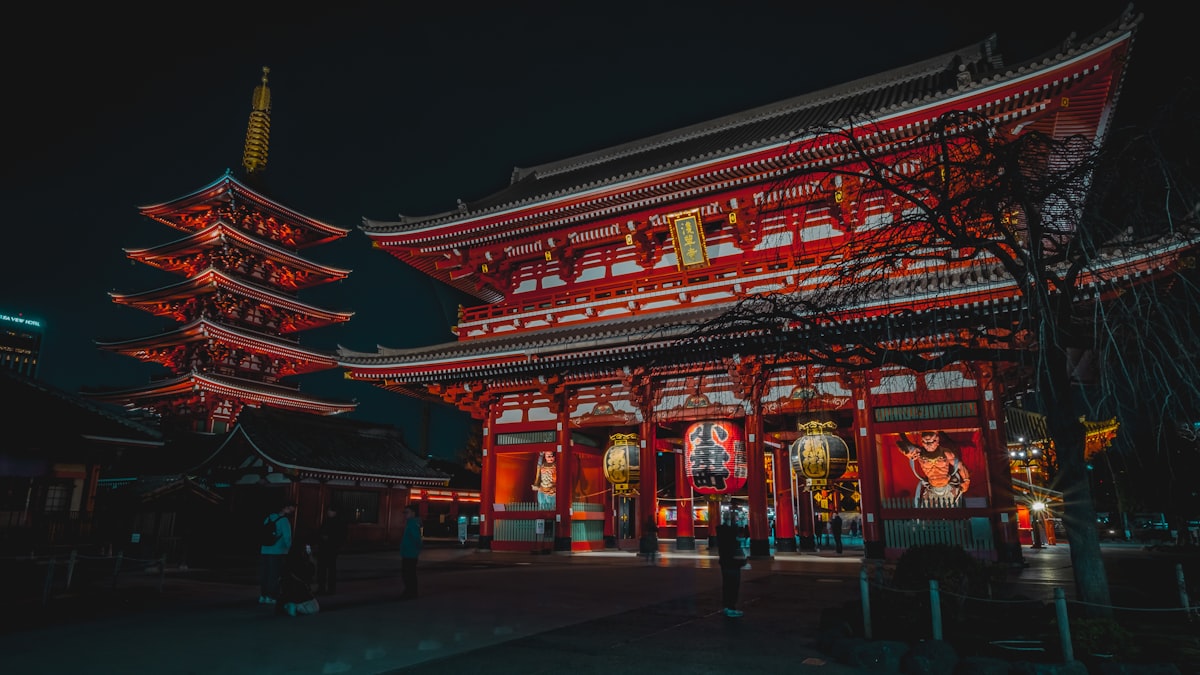
Japan’s temples range from golden pavilions to moss gardens to mountaintop retreats. If you only visit a few, make them count. Here’s a guide to the most beautiful and meaningful temples to see.
Kyoto’s greatest hits
- Kinkaku-ji — the shimmering Golden Pavilion.
- Kiyomizu-dera — the grand hillside temple with city views.
- Ryoan-ji — the world’s most famous Zen rock garden; see our gardens guide.
- More in our Kyoto guide.
Beyond Kyoto
- Senso-ji (Tokyo) — the capital’s oldest temple; see our Asakusa guide.
- Todai-ji (Nara) — home to a giant bronze Buddha; see our Nara guide.
- Koyasan’s Okunoin — a mystical mountaintop temple town; see our Koyasan guide.
- Byodo-in (Uji) — the Phoenix Hall pictured on the 10-yen coin.
Temple vs shrine?
Temples are Buddhist; shrines are Shinto — and they’re visited differently. Read our shrines vs temples guide so you know the etiquette.
How to enjoy temples
- Go early for calm and soft light; the famous ones fill up fast.
- Collect goshuin (calligraphy stamps) in a special book — a lovely keepsake.
- Dress modestly and keep quiet; remove shoes where indicated. See our etiquette guide.
- Consider a temple stay (shukubo) for the full experience.
Fit temple-hopping into a 7-day itinerary.
Typical costs & opening hours
- Most major temples charge JPY 400-600 entry; Kinkaku-ji is JPY 500, Kiyomizu-dera is JPY 400, and Todai-ji in Nara is JPY 600. Ryoan-ji’s rock garden is included in a combined JPY 500 ticket with its grounds.
- Standard hours run roughly 8:30am/9am to 5pm, though some extend for seasonal evening illuminations during cherry blossom and autumn leaf season — check ahead, since these are genuinely different (and often better) than a daytime visit.
- A goshuin calligraphy stamp costs JPY 300-500 per temple, collected in a special book (goshuincho) that itself runs JPY 1,500-3,000 at the first temple you visit.
Common mistakes to avoid
- Visiting Kinkaku-ji or Kiyomizu-dera at midday — both are among the most crowded sights in Japan by 10am; arriving at opening is the single biggest quality-of-visit improvement available.
- Wearing shoes that are hard to remove — many temple interiors require shoes off, and slip-on footwear saves real time and hassle over a day of temple-hopping.
- Trying to see too many major temples in one day — three well-chosen temples with time to actually sit and look beat six rushed stops.
Photography & quiet moments
Many temples restrict photography inside main halls even where it’s allowed in the gardens — look for posted signs rather than assuming. If a contemplative visit matters more to you than checking off famous names, quieter options like Kyoto’s Shisen-do or Nara’s smaller temple gardens deliver a similar atmosphere to the headline sights with a fraction of the visitors.
Temple stays and deeper experiences
Beyond a quick visit, several temples offer sitting meditation (zazen) sessions open to visitors, usually for a small fee and often in English at temples used to tourists, like some in the Kyoto’s Shokoku-ji complex. A shukubo temple stay at Koyasan takes this further, letting you eat the monks’ vegetarian shojin ryori cuisine and join a morning fire ritual — a very different experience from a daytime sightseeing stop.