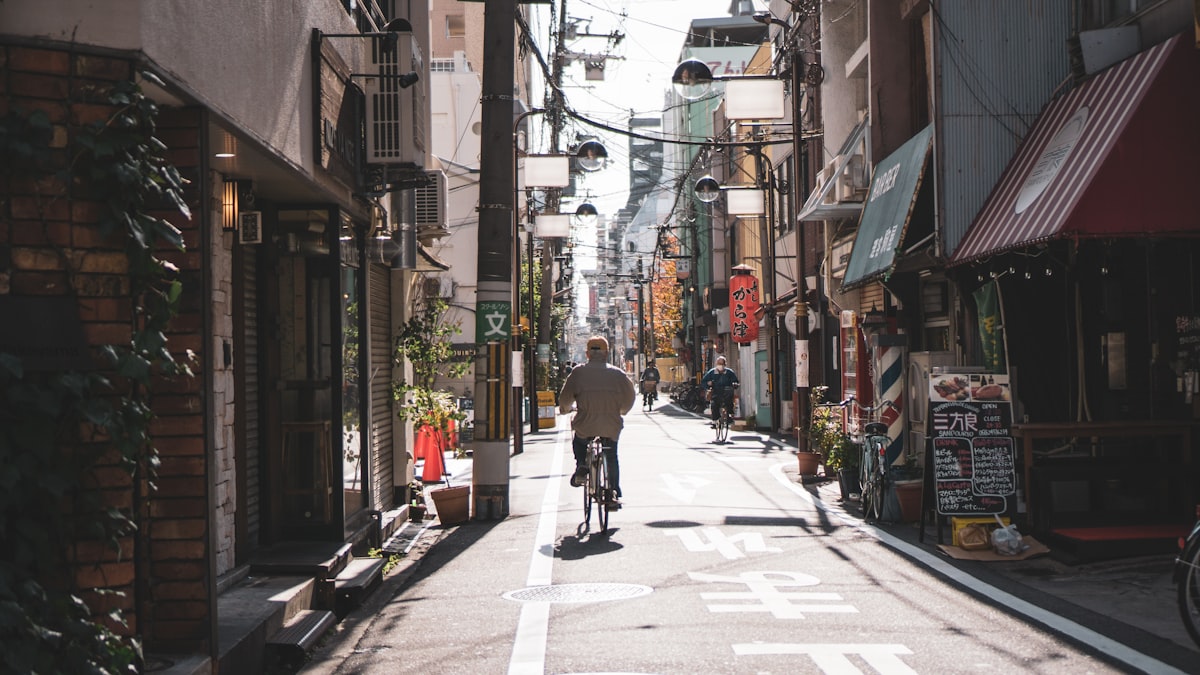
Japan is widely considered one of the best and safest countries in the world for solo female travelers. Here’s an honest, practical guide to making the most of it — with sensible precautions.
Why Japan is great for solo women
- Very low crime and a strong culture of respect; walking alone, even at night in busy areas, generally feels safe.
- Easy to navigate — clear signage, reliable trains, and helpful people.
- Solo-friendly by design — counter seats, single hotel rooms, and lots to do alone. See our solo travel guide.
Smart, simple precautions
- Women-only train cars exist during rush hour (look for pink signs) to avoid crowded-train harassment (chikan), which does happen.
- Women-only floors or hotels and female dorms at hostels are common — a comfortable option.
- Trust your instincts in nightlife districts; avoid overly pushy touts.
- Share your itinerary with someone at home and keep an eSIM for maps and contact.
Experiences that shine solo
- Quiet temple mornings and gardens; a reflective onsen soak (women’s baths are separate).
- Café-hopping, beauty shopping, and solo dining (totally normal here).
- A kimono rental stroll in Kyoto.
Accommodation tips
- Business hotels and female-friendly capsule hotels are safe, clean, and budget-friendly; see where to stay and our capsule hotel guide.
- Book near major stations for easy, well-lit access.
Bottom line
With basic street smarts, Japan is an exceptionally rewarding solo trip for women. Start with our first-timer tips and a relaxed itinerary.
What it actually costs to travel solo
- Solo travelers avoid the “single supplement” that plagues package tours in many countries — Japanese business hotels price by room, not per person, so a single room typically runs JPY 6,000-12,000/night in a mid-size city, not much more than a shared twin split two ways once you count the space.
- Counter dining, ramen shops, and konbini meals are all designed around single diners, so solo travelers rarely pay a premium to eat well — unlike many countries where solo restaurant dining feels awkward or costs more per head.
- Budget roughly JPY 12,000-18,000/day all-in (lodging, food, local transport) for a comfortable solo mid-range trip outside peak season.
Common solo travel mistakes
- Over-scheduling every hour — solo trips are the easiest to burn out on since there’s no one to suggest a slower pace; build in at least one unplanned afternoon per week.
- Skipping the women-only train car out of uncertainty about the rules — they’re simply marked with pink signage near specific doors during designated hours, and any woman can use them, no ticket or registration required.
- Avoiding solo dining out of habit — ramen counters, kaiten-zushi, and standing bars are built for it, and hesitating means missing some of the best, most casual food in the country.
Solo-friendly cities beyond Tokyo and Kyoto
Smaller cities like Kanazawa, Takayama, and Nara are especially easy solo destinations — compact enough to navigate without much planning, safe to walk at night, and set up with good single-traveler accommodation. If you want a quieter solo pace after a few busy days in the capital, see our Kanazawa guide or Takayama guide for a change of tempo.
Nighttime safety in practice
Areas like Kabukicho in Shinjuku have more aggressive touting than most of Japan, and it’s worth walking past rather than engaging with anyone offering a “cheap” bar — these scams target tourists of any gender. Outside nightlife zones, walking alone late at night on ordinary streets is genuinely normal in Japan and something many local women do without a second thought, which is a real cultural difference worth knowing before you arrive nervous about it.