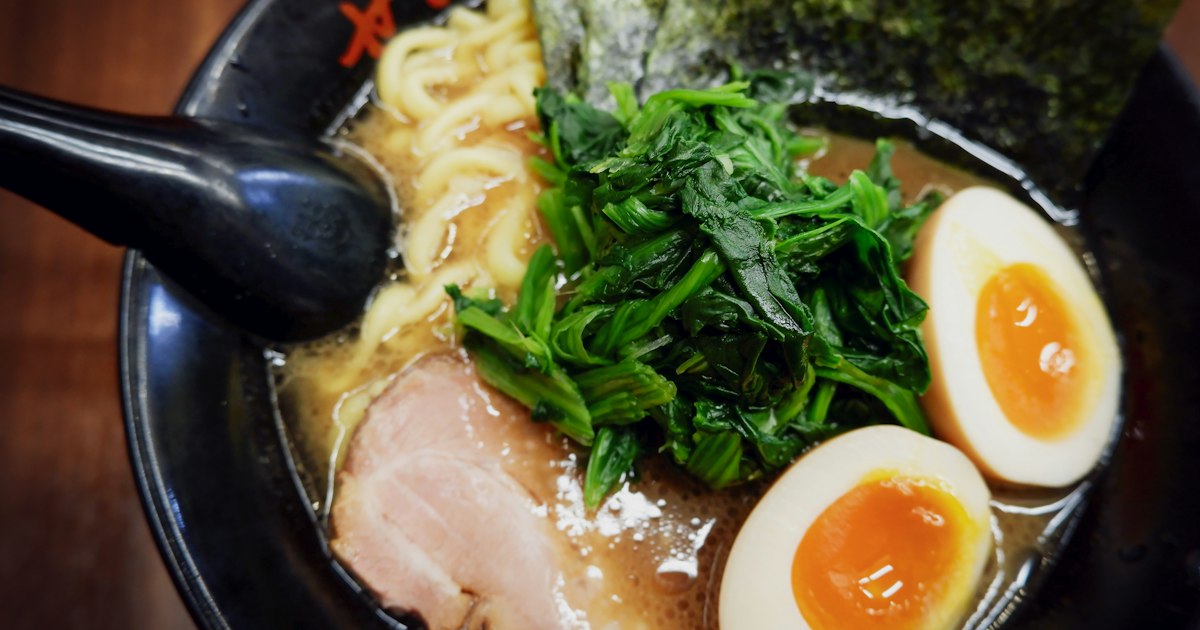
Photo by Susann Schuster on Unsplash
Walk into the right Tokyo noodle counter and you’ll notice something missing: no steaming bowl of broth, no spoon. That’s abura soba (油そば), the “oil noodle” dish that swapped soup for a glossy, savory sauce you toss together yourself. It has a small but fiercely loyal following in Tokyo, and unlike ramen, it rarely shows up on tourist itineraries — which makes it a satisfying thing to seek out on purpose. Here’s what it actually is, where it came from, and how to order it without making the rookie mistakes that mark you as a first-timer.
What Is Abura Soba, Exactly?
Abura soba is thick, chewy wheat noodles — closer to ramen noodles than soba buckwheat noodles, despite the name — served in a shallow bowl with almost no liquid. Instead of broth, the bottom of the bowl holds a few tablespoons of a dark, oily sauce built from soy sauce, pork or chicken fat, and sometimes a splash of vinegar. Standard toppings are simple: menma (fermented bamboo shoots), a sheet of nori, chopped scallions, and often a soft-boiled or raw egg. You mix everything together before eating, so every noodle gets coated rather than swimming in broth the way tsukemen or ramen would be.
It’s often confused with Nagoya’s mazesoba, another no-broth noodle dish — but mazesoba is spicier, usually topped with minced meat and garlic, and was invented decades later in a completely different city. If a menu lists “mazesoba,” that’s not abura soba, even though both get mixed tableside.
Born in the Suburbs: The Musashino Origin Story
Abura soba isn’t a central-Tokyo invention — it’s generally traced back to the Musashino area, around Musashi-Sakai Station on the JR Chuo Line, about 20–25 minutes west of Shinjuku. Honda Shoten, a small shop near the station’s north exit, is widely credited as one of the originators, serving a version of the dish since the postwar decades. The dish spread slowly from there, picked up by other independent shops and eventually by citywide chains, but it never became as globally famous as ramen or tsukemen — part of why it still feels like a locals’ dish rather than a tourist checklist item.
How to Order (and Eat) It Like a Regular
Most shops follow a simple pattern:
- Pick your size. Regular (futsu) and large (ōmori) are usually the same price or only ¥100–150 more — abura soba portions are generous because noodles, not broth, are the point.
- Choose toppings. Extra menma, chashu pork, cheese, or a raw egg typically run ¥100–250 each.
- Mix immediately. This is the one step that trips people up. As soon as the bowl arrives, stir the noodles into the sauce at the bottom quickly and thoroughly — the noodles are hot and the fat can start clumping and cooling before it coats everything evenly.
- Add vinegar and rayu (chili oil) yourself. Most counters leave a small vinegar bottle and a jar of chili oil on the table specifically for abura soba. The sauce as served is deliberately a little flat; a splash of vinegar cuts the richness and the chili oil adds the kick that makes the dish click. Skipping this step is the single most common reason first-timers find abura soba “just salty.”
If you want a primer on the broader logic of ordering set meals and counter food in Japan without hesitating, Teishoku 101: How to Order Japan’s Set-Meal Lunch Like a Regular covers a lot of the same confidence-building basics, even though abura soba itself isn’t a teishoku.
Where to Try It in Tokyo — Budget to Splurge
Budget (¥700–900): Honda Shoten in Musashi-Sakai is the pilgrimage option for anyone curious about the dish’s roots — a regular bowl runs in the ¥700–800 range, no-frills counter seating, cash-friendly pricing typical of neighborhood noodle shops.
Mid-range, easy to reach (¥780–1,100): Tokyo Abura Gumi Sohonten (東京油組総本店) is the chain that actually introduced most Tokyoites — and most visitors who stumble onto it — to the dish. It has multiple branches scattered around Ikebukuro, Shinjuku, Shibuya, and other major hubs, decorated with a loud, rock-and-roll aesthetic that’s part of the appeal. A regular bowl with egg and menma typically lands around ¥800–950, with topping add-ons pushing a loaded bowl toward ¥1,100.
Splurge (¥1,200–1,600): Some shops offer a “special” or “tokusei” version loaded with extra chashu, a flavored egg, cheese, and double noodles — not an expensive dish by Tokyo standards even at its most indulgent, which is part of why it’s beloved as a late-night or post-drinking meal rather than a special-occasion one.
Remember that the price on the menu board is what you’ll pay at the register in most cases, since Japan’s consumption tax is generally included in displayed restaurant prices — though it’s worth knowing the mechanics if you’re budgeting closely, which Japan’s Consumption Tax: Why Sticker Prices Don’t Match What You Pay at Checkout explains in more detail.
Best Time to Go and How to Get There
Abura soba shops keep ramen-shop hours: many open around 11:00 for lunch and stay open through dinner, with some chain branches running until midnight or later, making it a solid late-night option after a night out in Shinjuku or Shibuya. Lunchtime (11:30–13:30) at popular central branches can mean a short line, especially near office districts, so an early lunch around 11:15 or a late one after 14:00 avoids the crush. There’s no real seasonal angle to the dish — it’s eaten year-round — though the fattier sauce feels especially satisfying on a cold winter night.
To reach Honda Shoten in Musashino, take the JR Chuo Line to Musashi-Sakai Station (rapid trains from Shinjuku take about 20 minutes) and walk a few minutes from the north exit. For the citywide chain experience, Tokyo Abura Gumi Sohonten’s branches near major stations like Ikebukuro or Shinjuku require no planning beyond following the signage once you’re in the station area.
Common Mistakes First-Timers Make
- Treating it like ramen. Asking for “more broth” or expecting a soup course will just confuse the staff — there isn’t one, by design.
- Not mixing fast or thoroughly enough. Let it sit too long unmixed and the fat congeals into an unevenly coated, slightly gluey bowl.
- Skipping the vinegar and chili oil. These aren’t optional garnishes; they’re how the dish is meant to taste. A bowl without them reads as overly rich and one-note.
- Confusing it with mazesoba on a menu. If you’re hunting specifically for the Tokyo original, double-check the name before ordering, especially at mixed noodle shops that serve both styles.
Abura soba won’t dominate your Japan food list the way sushi or ramen will, but it’s exactly the kind of dish that rewards a little detour — cheap, filling, distinctly Tokyo, and still mostly under the radar for visitors. If you’re already exploring Tokyo’s deeper noodle culture, pairing an abura soba stop with a bowl of tantanmen on a different day gives a good sense of how varied the city’s “noodles without a classic soup base” scene really is. And whichever counter you sit down at, don’t be surprised by the hot towel waiting for you — it’s standard practice, explained in Oshibori Etiquette: Japan’s Hot Towel Custom at Restaurants and Izakaya.