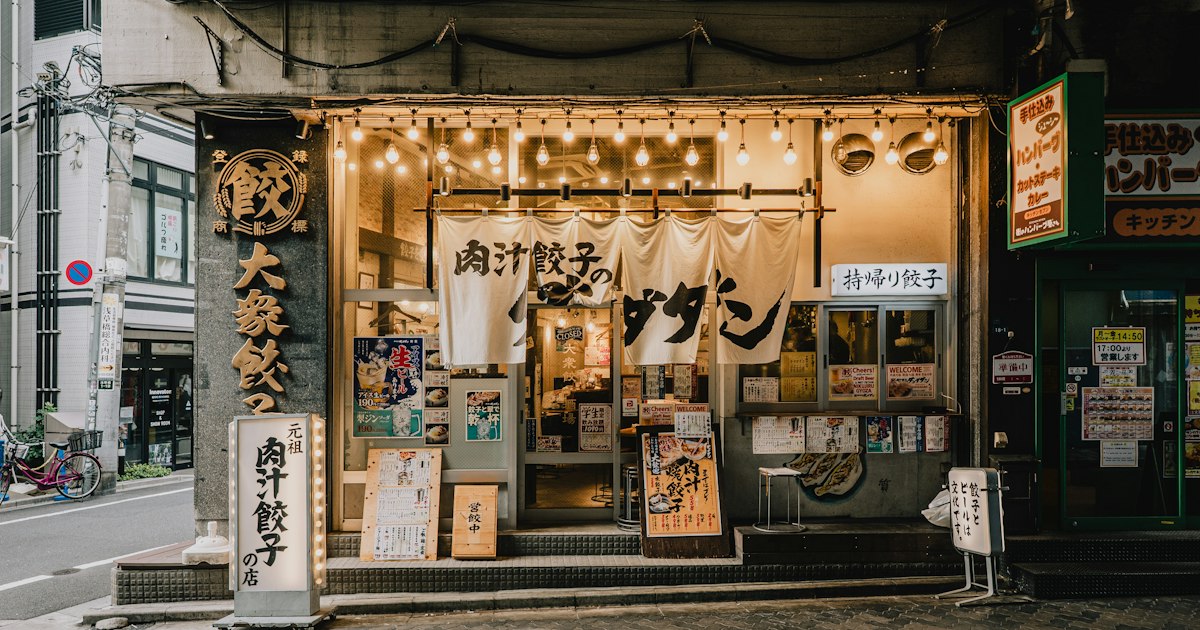
Photo by Vinicius Brasil on Unsplash
Japan is a walking country. Between train station transfers, temple approaches, and all-day city exploring, most visitors rack up 15,000–25,000 steps a day — and shoes that were fine at home start falling apart fast. A worn-down heel tip, a split sole, or a snapped strap doesn’t have to derail your trip. Japan has one of the densest shoe-repair networks in the world, much of it hiding in plain sight inside train stations and department stores, and most jobs are cheap, quick, and don’t require a word of Japanese.
Why Shoes Fail Faster Here Than at Home
Three things wear shoes out quickly on a Japan trip: distance walked, stairs (stations are full of them), and rain. The June–July rainy season (tsuyu) and sudden summer downpours soak leather and loosen glued soles, while winter slush in snowy regions does the same to boots. If you’re visiting during either stretch, check your soles and heels in the first few days rather than waiting until they fail on the last one. A sudden downpour is also when a cheap umbrella-sharing fix matters — see iKasa, Japan’s umbrella-sharing app, if you get caught without one, since dry shoes last longer than wet ones.
Mister Minit: The Fastest Fix, in Almost Every Major Station
Mister Minit (ミスターミニット) is the one name worth memorizing. It’s a station-and-department-store chain with roughly 400 locations nationwide, including counters inside Shinjuku, Tokyo, Shibuya, Osaka, and Umeda stations, plus most JR and private-line hubs. Staff handle walk-ins with no appointment, and simple jobs are often done while you wait.
- Heel tip replacement: roughly ¥1,000–2,000 per pair, 10–20 minutes
- Re-gluing a loose sole: roughly ¥1,500–3,000, often same day
- Full sole replacement: roughly ¥5,000–12,000 depending on material, usually needs 3–7 days because it’s sent to a workshop
- Stretching tight shoes: roughly ¥1,500–3,000
Most branches open around 10:00 and close with the station’s shops, often 20:00–21:00, seven days a week — convenient if your sightseeing runs long. For anything beyond a quick fix, ask clearly “itsu made ni dekimasu ka?” (when will it be ready?) and get a pickup date, since you may need to swing back before catching a shinkansen.
Department Store Repair Counters: Best for Heels and Designer Shoes
Major department stores — Isetan, Takashimaya, Mitsukoshi, Daimaru — have a shoe repair or concierge counter, usually near the shoe sales floor or in the basement. These are worth seeking out for two reasons: staff tend to have more experience with women’s heels and thin dress soles, and for luxury brands (Chanel, Louis Vuitton, Jimmy Choo), the concierge can arrange an official repair through the brand’s own service rather than a generic fix, which matters for anything under warranty or with proprietary hardware.
Turnaround for in-house repairs is similar to Mister Minit; brand-authorized repairs take longer, often two to four weeks, so this route only works if you’re staying in Japan for an extended trip or don’t mind having it shipped home later. Department store hours are typically 10:00–20:00, closed a few irregular days a year (check the store’s own holiday notice, not a fixed weekly day off).
Neighborhood Cobblers (Kutsu Shuuzen): Slower, Cheaper, More Thorough
Away from stations, small independent shops marked 靴修理 (kutsu shuuzen) or 靴の修理 dot shopping arcades and residential shopping streets in every city. Search “靴修理” or “shoe repair” on Google Maps and you’ll usually find one within a few minutes’ walk. These shops are typically family-run, cash-preferred, and closed one day a week (often Sunday or Monday) plus shorter hours — many close by 18:00 or 19:00.
What they’re good for: full resoling with better material choice, stitching (not just gluing) a split welt, dyeing scuffed leather back to something close to its original color, and reshaping or reinforcing boots. Prices run close to Mister Minit’s or slightly cheaper, but expect to leave the shoes for several days to two weeks, since most of this work is hand-done rather than assembly-line. If you find a good one early in your trip, it’s worth using for anything that isn’t urgent, saving the station counters for genuine emergencies.
What to Expect: Prices, Turnaround, and How to Communicate
You don’t need Japanese to get a repair done — this is a visual trade. Point at the damage, say “kore, onegaishimasu” (this, please), and the staff will usually show you with hand gestures what they can do and roughly how much it costs before starting. Payment is increasingly by card at chain counters, but smaller cobblers often take cash only, so carry a few thousand yen.
Rough budget guide across all shop types:
- Budget: heel tips, insole swaps, quick glue fixes — ¥1,000–3,000, same day
- Mid-range: partial resoling, stitching, stretching, cleaning — ¥3,000–8,000, a few days to a week
- Splurge: full resole with premium leather/rubber, brand-authorized luxury repair, dyeing — ¥8,000–20,000+, one to four weeks
Common Mistakes Travelers Make
The biggest one is waiting until the day before departure to deal with a problem that needed a week-long resole — by then your only options are a temporary glue fix or buying new shoes. Second is assuming every shop speaks English; station chains usually manage basic terms, but small cobblers may not, so bring the shoe in person rather than trying to describe the issue by phone. Third is expecting an exact color match on dyed leather — Japanese cobblers are skilled but limited by the dyes in stock, so a “close enough” match is normal, not a mistake on their part. Finally, don’t assume a shop is open just because it’s inside a department store that’s open — some concession counters keep separate, shorter hours than the store itself, so check the specific counter’s signage, not the main entrance hours.
A Quick Backup While You Wait
If a repair will take longer than your schedule allows, drugstores and 100-yen shops sell adhesive heel grips, gel insoles, and clear shoe-repair glue (look for “靴底補修” products) that can get you through a few more days of walking. These are genuinely useful as a stopgap between cobbler visits, especially if you’re bouncing between cities and won’t be back near the shop that has your shoes. Just remember to actually pick the repaired pair up — if you’re tight on packing space afterward, it’s worth reviewing TSA vs Japanese suitcase lock rules before your flight home, since repair glue and aerosol shoe cleaners count as liquids under carry-on restrictions.