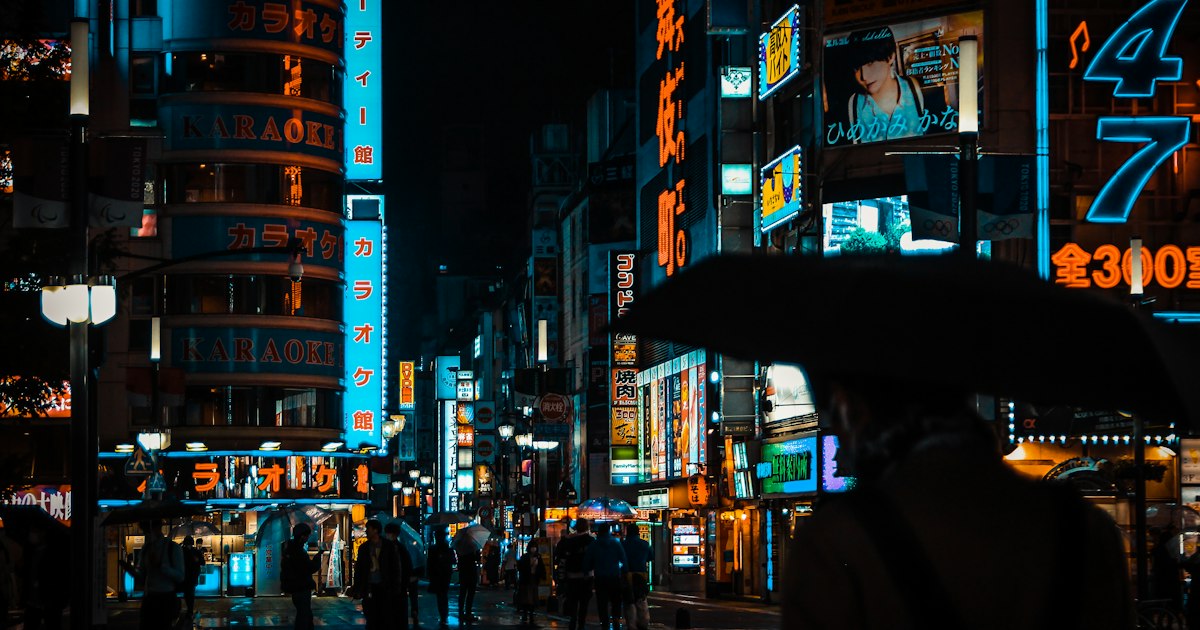
Photo by Pema G. Lama on Unsplash
Japan’s rainy season and sudden afternoon downpours catch almost every visitor off guard at least once. Rather than buying a flimsy ¥500 convenience-store umbrella you’ll abandon at your hotel, tourists in Tokyo (and a growing number of other cities) can now borrow one on the spot through iKasa, an app-based umbrella-sharing service. Here’s exactly how it works, what it costs, and where to find a stand.
What Is iKasa and How It Works
iKasa (アイカサ, pronounced “eye-kasa,” a play on the Japanese word for umbrella, kasa) is an umbrella rental network run by Nature Innovation Group. Instead of owning an umbrella, you unlock one from a street-side stand using your smartphone, use it for as long as you need, and return it to any iKasa stand — not necessarily the one you borrowed it from. The umbrellas are sturdy, plain navy or clear vinyl, built to survive hundreds of rentals rather than one windy afternoon.
The stands themselves are simple metal racks holding 10–20 umbrellas, each secured by a lock that releases when you scan a QR code with the app. You’ll find them bolted near station exits, inside convenience stores, in office building lobbies, and at some cafes and hotels — anywhere foot traffic is heavy during rain.
Setting Up the App and Borrowing Your First Umbrella
To use iKasa, download the iKasa app (iOS and Android) or access it through the LINE mini-app if you already have LINE installed. Setup requires:
- A phone number for SMS verification
- A credit or debit card registered for payment
Once registered, open the app, scan the QR code on the umbrella stand you’re standing at, and the app releases one umbrella automatically. There’s no paperwork, no deposit, and no need to speak Japanese at the stand itself — the interaction happens entirely through your phone screen. To return an umbrella, find any iKasa stand with an open slot, slot the umbrella in, and scan again (or tap “return” in the app) to end the rental.
A practical note for tourists: international phone numbers don’t always receive the SMS verification code reliably, and some users report needing a Japan-issued SIM or a number on a major carrier to get through sign-up smoothly. If you’re relying on an eSIM or a prepaid tourist SIM, test the sign-up process early in your trip rather than discovering a problem the moment it starts pouring.
Where to Find iKasa Stands
Coverage is heaviest in central Tokyo — Shibuya, Shinjuku, Roppongi, Tokyo Station, Ikebukuro, and the wider Yamanote Line loop all have dense clusters of stands, often right at station exits where you’d otherwise get soaked walking to your destination. Many Family Mart convenience store locations in these areas host a stand just inside or beside the entrance, which doubles as a handy landmark since Family Mart signage is easy to spot from a distance. The app’s in-app map shows live stand locations and how many umbrellas are currently available at each one, so check before you set out rather than hunting on foot.
Outside Tokyo, coverage has expanded to parts of Osaka and a handful of other cities, but it’s far thinner — don’t count on finding a stand in smaller towns, rural areas, or most of Kyoto’s older neighborhoods. If your itinerary includes day trips like the Oyama Afuri Shrine hike in Kanagawa, assume you’ll need your own umbrella or rain jacket once you leave the central Tokyo network.
Pricing: Pay-Per-Use vs Monthly Pass
iKasa’s standard rate is ¥70 (tax included) for the first 24 hours, with the same ¥70 charged again for each additional 24-hour block you keep the umbrella. For a short trip, this is the option most tourists will use — borrow it when the rain starts, return it within a day or two, and you’ve spent less than the price of a vending-machine drink.
For travelers staying longer and expecting repeated rain, iKasa has also offered an unlimited monthly subscription plan priced in the low hundreds of yen per month — worth checking the app for current terms if your trip spans several weeks during a wet stretch, since subscription pricing and availability can shift over time.
Either way, there’s no deposit held and no penalty for returning the umbrella to a different stand than where you picked it up, which is the main advantage over simply buying one outright.
Best Time of Year to Rely on iKasa
Japan’s rainy season (tsuyu) runs roughly early June through mid-July in most of Honshu, with Okinawa starting earlier in May. This is when iKasa earns its keep — steady, unpredictable drizzle that makes carrying your own umbrella everywhere impractical but going without one miserable. Typhoon season (August through October) brings heavier, wind-driven rain where a shared umbrella may not hold up as well as a proper storm-grade one you’d buy for ¥1,500–2,500 at a department store. Winter rain in Tokyo tends to be lighter and less frequent, though if you’re also dealing with cold mornings and evenings, pairing an umbrella with a stash of disposable pocket warmers (kairo) is a smart combo for sightseeing in December and January.
Common Mistakes Tourists Make
- Not checking stand availability before leaving the hotel. Stands can run empty during a sudden downpour when everyone has the same idea. Check the app map first.
- Assuming nationwide coverage. iKasa is concentrated in Tokyo and parts of Osaka. If you’re heading to rural Kyoto Prefecture, somewhere like Kayabuki-no-Sato’s thatched-roof village, bring your own.
- Forgetting to return it. The per-day charge keeps accruing until you return the umbrella to a stand, so an umbrella left in a suitcase or hotel room racks up charges on your card.
- Packing it for the flight home. iKasa umbrellas belong to the network, not to you — and if you do buy a nice folding umbrella as a souvenir, check how it packs alongside other purchases; our guide to TSA rules and Japanese suitcase locks covers what else to watch for when packing for the flight home.
Budget, Mid-Range, and Splurge Alternatives
If iKasa isn’t available where you are, convenience stores (7-Eleven, Lawson, Family Mart) sell basic clear vinyl umbrellas for roughly ¥500–700 — fine for one storm, usually not built to survive a second. Mid-range options at drugstores or ¥100 shops like Daiso run ¥300–500 for a slightly sturdier folding model worth keeping for the rest of your trip. For a genuine splurge and a far better souvenir than a disposable umbrella, Japanese department stores sell beautifully made wooden-handled or UV-protective umbrellas from ¥3,000–8,000 — a nicer keepsake than anything you’ll find at an airport gift shop, and worth factoring into your Tokyo itinerary the same way you might plan a stop for a novelty souvenir like a school recorder or pianica from a Japanese stationery store.
For most short city stays, though, iKasa remains the simplest fix: no planning ahead, no carrying a dead-weight umbrella on sunny days, and a total cost that’s easy to shrug off even if you only use it once.