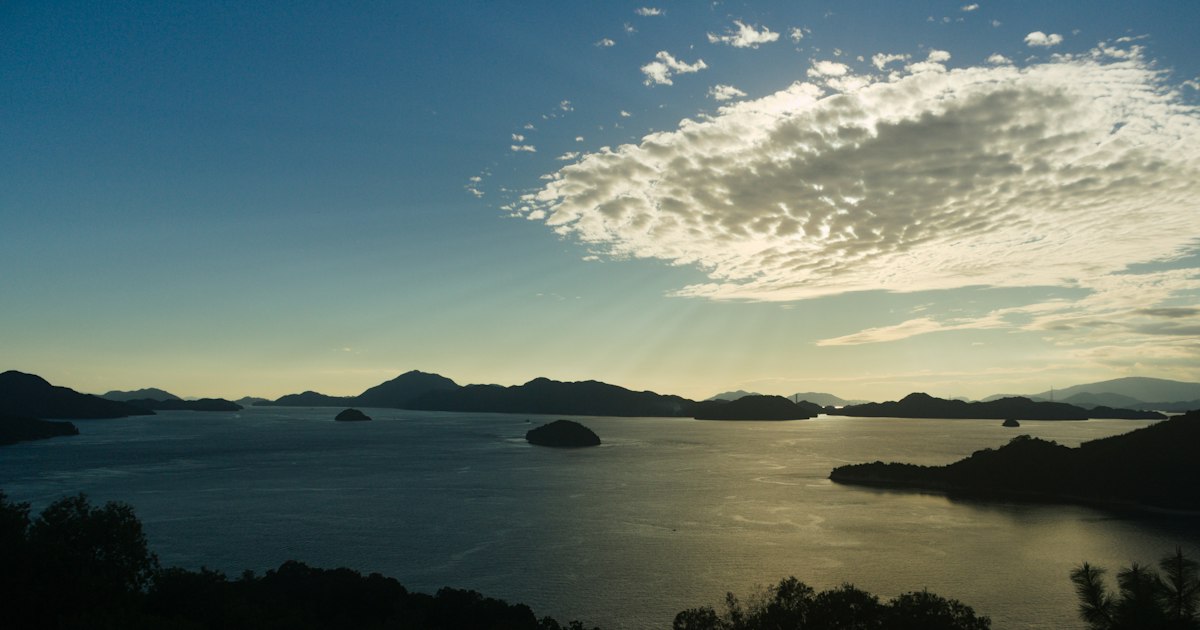
Photo by Ashton Christiansen on Unsplash
Off the coast of Sasebo in Nagasaki Prefecture, a scatter of forested islets sits in waters so calm they’re used to farm pearls. Kujukushima (“99 islands”) is one of Kyushu’s most underrated day trips — close enough to Fukuoka and Nagasaki city for a half-day visit, but quiet enough that you’ll share the view with a fraction of the crowds you’d find at better-known spots. Here’s how to actually plan the trip, not just admire the name.
A “99 Islands” Archipelago That Isn’t Actually 99
The number is poetic rather than literal. “Kuju-ku” (99) was a classical Japanese way of saying “countless,” and the real count — depending on the tide, since some islets disappear under high water — is 208. The whole area is part of Saikai National Park, and the islands are too small and too thickly wooded for anyone to live on most of them. What makes the archipelago commercially interesting is pearl farming: the sheltered, nutrient-rich channels between the islands have supported Akoya oyster cultivation since the early 20th century, and Kujukushima pearls are still a recognized regional product today.
Getting to Sasebo and the Kujukushima Pearl Sea Resort
Almost everything — cruise piers, the aquarium, and the main souvenir shops — is based at Kujukushima Pearl Sea Resort (also signposted as “Umikirara,” the aquarium’s name), a short bus or taxi ride from Sasebo Station.
- From Nagasaki city: JR Sasebo Line limited express to Sasebo Station, roughly 1.5 hours, then a local Saikai Bus toward “Kujukushima Pearl Sea Resort” (about 25–30 minutes, roughly ¥500–600).
- From Fukuoka (Hakata): Highway bus directly to Sasebo takes about 2 hours; from Sasebo Station, continue by local bus or taxi (around ¥2,000–2,500 by taxi) to the resort.
- By car: Rental car from Fukuoka or Nagasaki via the Nishikyushu Expressway is the most flexible option, since it also lets you reach the hilltop viewpoints that buses don’t serve well. If you’re driving on a foreign license, check in advance whether your home country’s permit is accepted — see this rundown of which licenses actually work in Japan before you book a car.
There’s no direct train to the islands themselves — Sasebo Station is the hub you’ll always route through.
Choosing Your Cruise: Pearl Queen vs. Mirai
Two sightseeing boats operate from the resort’s pier, and picking the right one matters more than it sounds.
- Pearl Queen: A larger, white multi-deck cruiser that loops through the main channels in about 50 minutes. It’s the standard choice — frequent departures (roughly hourly from mid-morning to mid-afternoon, with the schedule shifting seasonally), and an open top deck for photos. Adult fare is typically in the ¥1,800–2,000 range, with discounted child fares.
- Mirai: A smaller, quieter catamaran (solar/electric-assisted) that can slip into narrower gaps between islets that the Pearl Queen can’t reach. Fewer sailings per day, and tickets often run slightly higher, but the closer approach to the rock formations and oyster rafts is worth it if you’re not pressed for time.
Both depart from the same pier area, and ticket counters are on site — there’s rarely a need to book far ahead outside of Golden Week or peak autumn weekends, but confirm the day’s timetable at the counter since winter schedules run fewer sailings.
The Best Land-Based Viewpoints
Even if you only have time for one activity, pair the cruise (which shows you the islands from sea level) with at least one hilltop lookout (which shows you the full pattern of the archipelago):
- Tenkaiho Park (展海峰): The most popular viewpoint, with two tiered observation decks and, in autumn, fields of pampas grass (susuki) framing the islands — a classic shot.
- Ishidake Observatory (石岳展望台): A short drive from Tenkaiho, slightly higher and known for sunset and night views.
- Yumihari Observatory (弓張岳展望台): Further out and higher still, with a wider panorama that on clear days reaches toward the Goto Islands.
None of these are realistically walkable from the pier — you’ll need a car, taxi, or a rental bicycle with real hill-climbing legs.
Best Season and Timing for Clear Views and Sunsets
Spring (March–April) and autumn (October–November) give the clearest, least humid skies and the most comfortable hiking conditions for the viewpoints. Summer is lush and green but prone to haze and sudden showers; winter skies are often crisp but the wind at the observatories can be sharp. For the cruise itself, late afternoon sailings catch softer light on the water, and Ishidake and Tenkaiho are both set up as sunset spots — just check the last departure time for your chosen boat, since it moves earlier in winter, and plan your observatory visit around whichever sunset time applies that month.
Common Mistakes to Avoid
- Treating it as a quick stop between Fukuoka and Nagasaki: Between transit, the cruise, and at least one viewpoint, budget a half day minimum — rushing it means skipping the hilltop views, which are arguably the better half of the experience.
- Assuming English signage will be plentiful: Sasebo is a regional city, not a major tourist hub, so menus and bus information skew Japanese-only. A phone translation app or a dedicated device goes a long way here — see this overview of translation gadgets tourists use in Japan.
- Relying on cards for small purchases: Ticket counters generally take cards, but smaller pearl shops and food stalls around the resort can be cash-only. Sort out yen before you leave the bigger cities — this guide to currency exchange in Japan covers where cash beats cards.
- Confusing it with Matsushima: Japan has more than one “famous scattered-islands bay.” Kujukushima is in Nagasaki/Sasebo on Kyushu, distinct from Matsushima near Sendai.
Budget, Mid-Range and Splurge Options
- Budget: Public bus from Sasebo Station plus a standard Pearl Queen cruise ticket — roughly ¥2,500–3,000 total round trip for transport and boarding.
- Mid-range: A rental car for the day, a Mirai cruise ticket, and a combo ticket that bundles in the Umikirara aquarium at the same resort — a good rainy-day backup if the water’s choppy.
- Splurge: Private charter boats are available through operators at the resort for small groups wanting a custom route or sunset timing, and a few hotels near Sasebo and Huis Ten Bosch offer sea-facing rooms if you want to wake up to the view rather than just visiting it.
If you’re already working Nagasaki Prefecture into your itinerary, Kujukushima pairs naturally with a longer island detour — those drawn to quieter, less-visited coastlines might also enjoy Iki Island, another Nagasaki island reachable from the Fukuoka side, known for its shrines and seafood rather than its pearls.