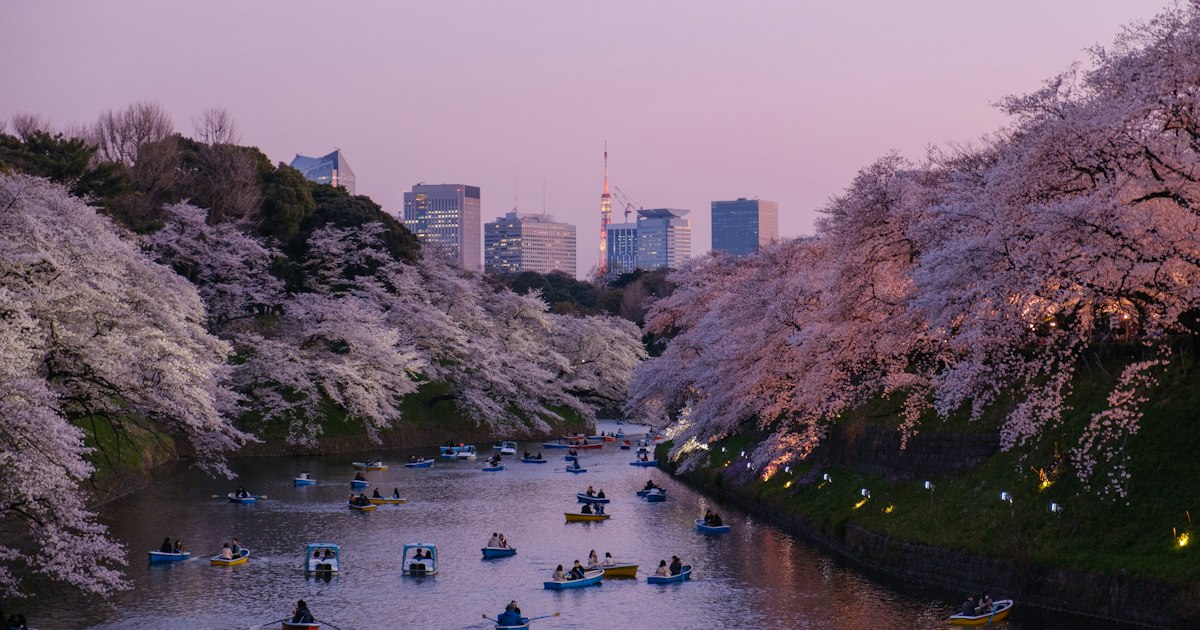
Tokyo has dozens of parks, but two keep landing on every first-timer’s list: Shinjuku Gyoen and Yoyogi Park. They’re only about 2 km apart, yet they couldn’t feel more different once you’re inside. One is a manicured, ticketed garden where you can’t crack open a beer; the other is a free, anything-goes lawn where drum circles and picnic blankets take over every weekend. Here’s how to tell them apart and pick the right one for the day you actually have planned.
Shinjuku Gyoen at a Glance
Shinjuku Gyoen is a former imperial garden split into three distinct styles: a French formal garden with rose beds, an English landscape garden of open lawns and mature trees, and a traditional Japanese garden with ponds, a teahouse, and carefully pruned pines. There’s also a greenhouse with tropical and subtropical plants, which is a nice detour on a rainy or cold day.
- Hours: 9:00–16:30, last entry 16:00 (hours are sometimes extended to around 18:00 during peak cherry blossom season — check the official site before you go).
- Closed: Mondays (or Tuesday if Monday is a public holiday), plus a year-end closure from December 29 to January 3.
- Admission: 500 yen for adults, 250 yen for students, free for young children. Buy at the gate or via the ticket machines — no reservation needed for regular visits.
- Rules: No alcohol, no ball games, no large tarps or group sports gear. Small picnic blankets are fine.
The payoff for the ticket and the rules is space that never feels mobbed, even on a busy Saturday, and three totally different garden moods within a single walk.
Yoyogi Park at a Glance
Yoyogi Park is a big, free, unticketed city park next to Harajuku and Meiji Jingu. There’s no entry fee and no closing gate on the main paths, though some fenced sections close in the evening. It’s the park where Tokyo actually relaxes: joggers, dog walkers, skateboarders, salsa dancers, and groups sharing convenience-store beers on tarps spread across the lawn.
- Hours/Admission: Free, no fixed closing time for the open areas.
- Atmosphere: Casual and loud in a good way — alcohol is allowed, music and street performance are common, and on weekends you’ll often stumble into a flea market, food truck gathering, or an event like Earth Day Tokyo in April.
- Nearby: Meiji Jingu shrine forest is a two-minute walk, and Takeshita Street / Harajuku’s shopping is right next door.
Which Park Fits Your Day
Choose Shinjuku Gyoen if you want a quiet, photogenic walk, you’re visiting during cherry blossom or autumn leaf season and want to avoid the biggest crowds, or you’re combining the visit with shopping and dining in Shinjuku. It also pairs well with a slower, more reflective pace — think of it as the garden equivalent of a proper sit-down meal.
Choose Yoyogi Park if you want a free, flexible stop you can duck into for twenty minutes or three hours, you’re pairing it with Harajuku shopping and Meiji Jingu, or you specifically want the social, picnic-and-performers energy. It’s also the better pick if your schedule is loose and you don’t want to worry about closing times or an entry fee.
If you have a full day and don’t mind a short train ride between the two, many visitors do both: Meiji Jingu and Yoyogi Park in the morning, then Shinjuku Gyoen in the afternoon after lunch in Shinjuku.
Getting There and Timing It Right
Shinjuku Gyoen has three entrances: Shinjuku Gate (about a 5-minute walk from Shinjuku-sanchome Station or the south side of JR Shinjuku Station), Okido Gate, and Sendagaya Gate near Sendagaya Station on the JR Chuo-Sobu Line. Sendagaya Gate tends to be the least crowded entry point.
Yoyogi Park is easiest from Yoyogi-Koen Station (Chiyoda Line) on its western side, or from Harajuku Station (JR Yamanote Line) and Meiji-Jingumae Station if you’re coming from the Meiji Jingu / Harajuku side.
Peak cherry blossom season (typically late March to early April in Tokyo) and the Golden Week holidays in early May are the busiest windows for both parks — expect long lines at Shinjuku Gyoen’s ticket gates and a packed lawn at Yoyogi Park. Weekday mornings are noticeably calmer at both. If you’re trying to plan your whole trip around Japan’s crowd patterns rather than just these two parks, it’s worth reading up on how Obon and other peak weeks affect travel nationwide, since the same logic of “book and arrive early” applies to Tokyo’s parks in sakura season.
Autumn foliage at Shinjuku Gyoen usually peaks in mid-to-late November, and it’s a much less frantic alternative to the cherry blossom crowds if your travel dates are flexible.
Common Mistakes to Avoid
- Bringing alcohol or a sports ball to Shinjuku Gyoen. Staff do enforce the no-alcohol and no-ball-games rules, and you’ll be asked to put things away.
- Showing up right at closing time. Shinjuku Gyoen’s last admission is 16:00, well before actual closing — arriving at 16:15 means you won’t get in at all.
- Not bringing a trash bag to Yoyogi Park. Public bins are scarce, especially on busy weekends, and the Japanese norm is to pack out your own trash rather than leave it by a full bin.
- Underestimating the walk between Yoyogi Park’s gates. It’s a genuinely large park — if you’re meeting friends, agree on a specific landmark (the fountain, a particular gate) rather than just “Yoyogi Park.”
- Visiting Shinjuku Gyoen on a Monday without checking. It’s the one day it’s reliably closed outside the New Year break.
Budget to Splurge: Making the Most of Either Park
Budget: Yoyogi Park costs nothing beyond transit, and a convenience-store picnic (onigiri, drinks, snacks) run under 1,000 yen per person. Shinjuku Gyoen’s 500 yen entry is one of the cheapest green-space experiences in central Tokyo.
Mid-range: Pack a proper picnic with a reusable blanket and cooler bag — if you didn’t bring one from home, Decathlon Japan sells inexpensive foldable picnic mats, small coolers, and portable chairs that are easy to carry on the train and just as easy to resell or leave behind before you fly home.
Splurge: At Shinjuku Gyoen, stop at the Japanese garden’s teahouse, Rakuu-tei, for a seasonal matcha-and-wagashi set in a proper tatami setting — a small but memorable way to slow down mid-visit. After either park, Shinjuku itself has every price tier of dining within a ten-minute walk, from standing soba counters to department store restaurant floors.
Either park works well as a half-day anchor for a Tokyo itinerary. The real decision is about pace and mood: pay a little and get calm, structured beauty at Shinjuku Gyoen, or pay nothing and get Tokyo’s most relaxed, unscripted public space at Yoyogi Park. Many visitors end up doing both on different days of their trip — and once you know the hours and rules going in, neither one will eat up more time than you planned.