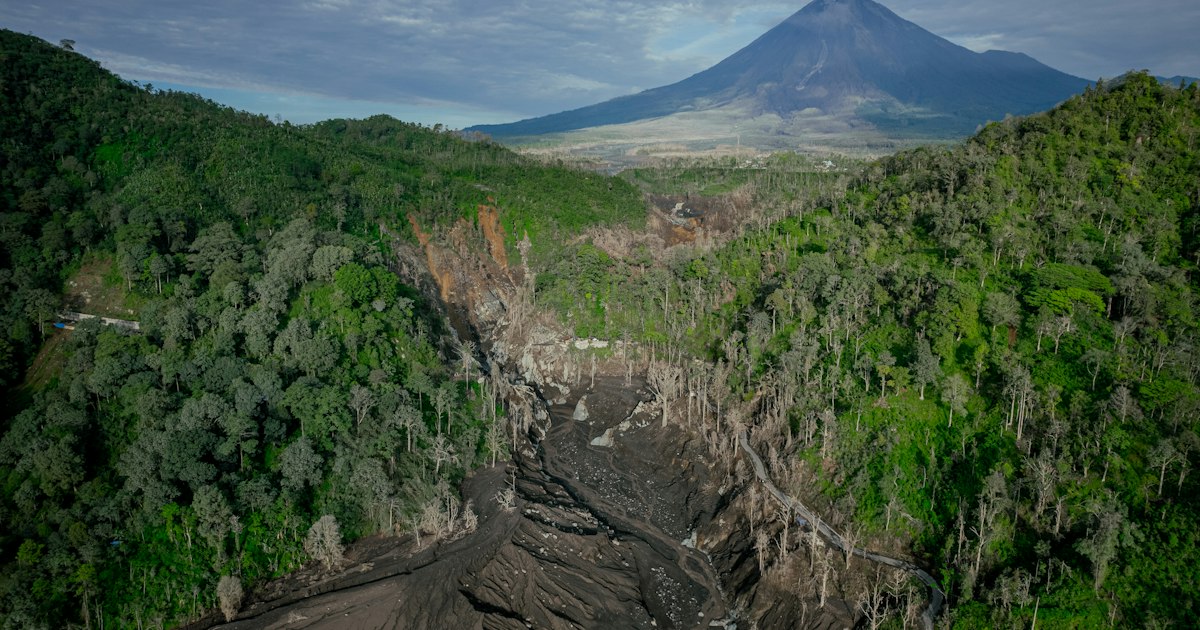
Photo by Masjid Pogung Dalangan on Unsplash
Halfway up a volcanic ridge above Hakone, steam hisses out of cracked grey rock and the air smells unmistakably of rotten eggs. This is Owakudani, and the irony is that the valley’s most famous souvenir is, in fact, an egg — boiled black in the same sulfuric springs that make the place smell so bad. Kuro-tamago, or “black eggs,” are one of the few snacks in Japan that come with their own folk legend: eat one, and you’re said to add seven years to your life. Here’s what you need to know before making the trip up.
What Kuro Tamago Actually Is
Kuro-tamago are regular hen’s eggs hard-boiled directly in Owakudani’s natural hot springs, which are rich in sulfur and iron. A chemical reaction between the iron in the spring water and the sulfur compounds in the steam coats the shells in iron sulfide, turning them a deep, matte black. Crack one open and the egg inside looks and tastes like a normal hard-boiled egg — maybe with a faint mineral or sulfur note if you’re boiled right at the source — but the shell is the whole point. It’s a visual gimmick built on real geology, not a dye job or food coloring trick.
Owakudani itself (“Great Boiling Valley”) was formed around 3,000 years ago by the last eruption of Mt. Hakone, and it remains volcanically active today. The valley still periodically restricts access when gas levels rise — in 2015, the entire area was closed for several months — so it’s worth checking current conditions before you plan a trip around it specifically.
Where to Buy Them and What They Cost
The main vendor is Kuro-tamago-kan, the shop and stand cluster right by Owakudani Ropeway Station, a short walk from the viewing terrace where the eggs are actually boiled in open-air pools. A pack of five eggs costs roughly ¥500–¥600 (price has crept up slightly over the years, so expect it to round up rather than down). Five is the standard unit — you can’t easily buy a single egg — and they’re sold warm, ready to peel and eat on the spot.
There are a couple of smaller stalls nearby selling the same product, and some souvenir shops elsewhere in Hakone sell vacuum-packed versions, but the ones bought fresh at Owakudani are the real draw. They don’t travel or keep well, so this isn’t something to buy in bulk to bring home — treat it as an on-site snack, not a souvenir to pack in your suitcase.
How to Get There
Owakudani sits partway along the Hakone Ropeway, and almost nobody drives directly to it — the standard route from Tokyo is:
- Odakyu Romancecar from Shinjuku Station to Hakone-Yumoto (about 85 minutes)
- Hakone Tozan Railway from Hakone-Yumoto to Gora (about 40 minutes)
- Hakone Tozan Cable Car from Gora to Sounzan (about 10 minutes)
- Hakone Ropeway from Sounzan to Owakudani Station (about 8 minutes)
The Hakone Freepass covers the Odakyu line to/from Hakone-Yumoto plus unlimited rides on the Tozan Railway, cable car, ropeway, and the local Hakone bus network — it’s the standard way to see Owakudani as part of a wider Hakone loop that also includes Lake Ashi and the Hakone Shrine torii gate. If you’re driving yourself through the region, be aware that mountain roads around Hakone and the Izu/Fuji area are monitored more closely than you might expect; it’s worth knowing the basics covered in this guide on speed cameras and traffic fines for foreign drivers before you go.
The ropeway station has an observation deck with views into the steaming valley itself, and on a genuinely clear day you can see Mt. Fuji from the platform — one of the better casual Fuji views in the Hakone area, alongside spots like Oshino Hakkai near Kawaguchiko on the mountain’s other side.
Opening Hours and Best Timing
Owakudani Station and the egg stalls generally operate from around 9:00 to 16:00 or 16:30, broadly matching the Hakone Ropeway’s operating hours, though this can shift seasonally and the valley is sometimes closed outright for volcanic safety monitoring. Always check current ropeway status before building a day around it, especially after any news of increased seismic activity in the region.
Go in the morning if you can. Owakudani is a stop on nearly every Hakone day-trip itinerary, and the ropeway cars and viewing terrace get crowded by early afternoon, particularly on weekends and during autumn foliage season (mid-November) and spring. Winter mornings tend to have the clearest skies for a Fuji view, though they’re also the coldest — the terrace is exposed and windswept, so bring a layer. In summer, the steam and sulfur smell are more intense in the heat; if you’re sensitive to strong smells or have respiratory issues, limit how long you linger near the vents.
Common Mistakes
A few things trip up first-time visitors:
- Buying one egg at a time. They’re sold in packs of five — that’s the unit, and the “seven years of life” legend is specifically tied to eating one egg from the set, not buying them individually.
- Treating it as a full meal stop. There isn’t much food variety at Owakudani beyond the eggs and a few snack stands. Eat before or after at Gora or Hakone-Yumoto if you want an actual lunch.
- Skipping the ropeway check. Because the valley is still active, the ropeway occasionally runs a reduced service or closes the Owakudani stop while trains still run through to Togendai. Don’t assume access without checking same-day status, especially if Owakudani is the main reason for your trip.
- Underestimating the smell and the walk. The sulfur smell is strong near the vents, and the nature trail up to the old boiling pools involves some uneven volcanic terrain. Closed shoes help, and if you’re prone to headaches from strong odors, keep your visit brief.
Budget, Mid-Range, and Splurge
This is a low-cost stop by Japan standards. A pack of five kuro-tamago plus a drink from a vending machine runs well under ¥1,000 per person. The “splurge” version of an Owakudani visit isn’t really about the eggs — it’s about combining the Freepass with a Lake Ashi sightseeing cruise and a ryokan stay in Hakone with its own private onsen, turning the egg stop into a few minutes of a much larger day. If you’re hiking afterward on any of Hakone’s volcanic trails, proper layered outdoor gear is worth having on hand — something like Montbell’s technical outdoor lines cover the lightweight jackets and trail shoes suited to the terrain, and in summer, UV-cut arm covers and cooling towels make the exposed, shadeless viewing terrace much more bearable.
In the end, kuro-tamago is a small, cheap, slightly absurd ritual — a boiled egg with a backstory, eaten on a steaming mountainside with a volcano doing the cooking. It’s not a reason to visit Hakone on its own, but it’s exactly the kind of stop that makes a half-day loop through the area feel complete.