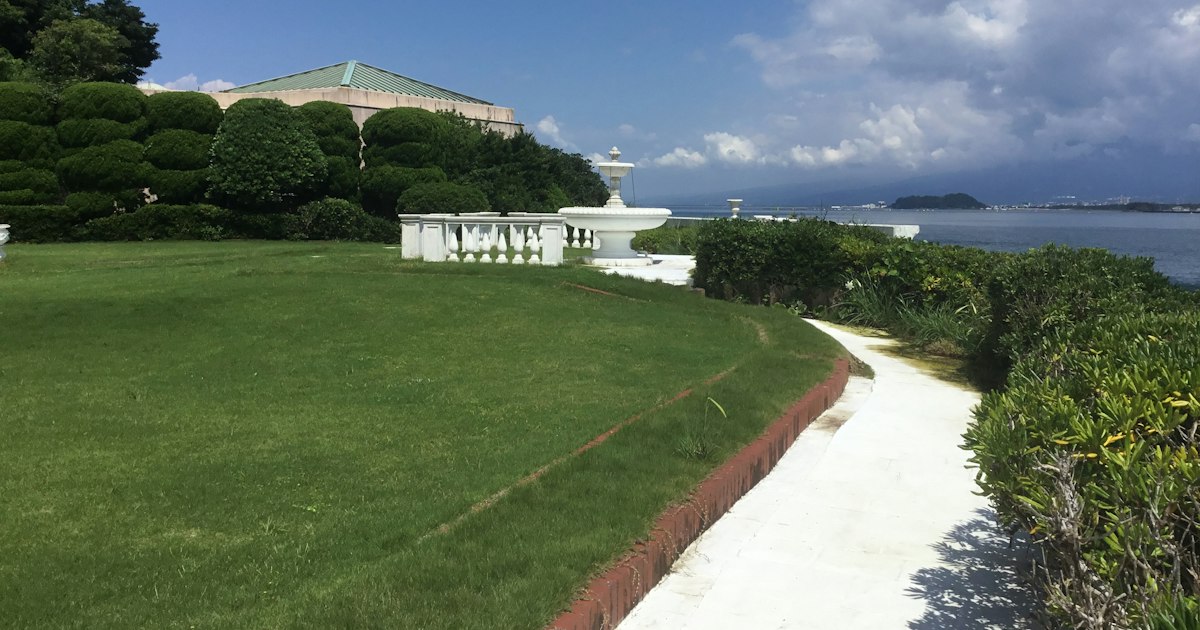
Photo by Kenjiro Baba on Unsplash
Most people riding the Shimanami Kaido have one goal: finish the roughly 70km of bridges between Onomichi and Imabari before the light goes. That single-minded pace means they roll straight past Setoda, a small port town on Ikuchijima island that happens to grow more lemons than almost anywhere else in Japan. Slow down for half a day here and you get terraced citrus groves, a genuinely strange temple complex, and lemon-flavored everything — without the crowds that pile into Onomichi’s shopping streets.
Why This Island Gets Skipped
Setoda sits on Ikuchijima, the third major island cyclists reach after crossing from Onomichi through Mukaishima and Innoshima. By that point most riders have settled into a rhythm along the dedicated blue cycling line that hugs the coast, and the lemon terraces are inland, up low hills, a few minutes’ detour off that line. There’s no dramatic bridge view to pull you off course, so unless you’ve specifically planned a stop, it’s easy to glide through without realizing the orchards are there at all. The town itself is also just small enough — a few streets, a port, a temple — that it doesn’t register as a “destination” the way Imabari or Onomichi do.
Getting There
From Onomichi Station, Setouchi Bus runs services toward Imabari that stop at Setoda; the ride takes roughly 45–60 minutes and costs around ¥1,000–1,300 one way, depending on the route. If you’re cycling, Setoda is about 30km from Onomichi’s Innoshima/Mukaishima side, which works out to roughly 2–3 hours at a relaxed pace with photo stops — closer to 1.5 hours if you’re pushing it. Rental bikes are available at terminals in Onomichi and on each island (commonly known by the “Shimanami Japan” branding); expect around ¥2,000 per day plus a refundable deposit of about ¥1,100, with an extra one-way fee of roughly ¥1,000 if you return the bike to a different island than where you picked it up. That one-way option matters here: it lets you ride Onomichi to Setoda, poke around for a few hours, then bus or ferry back instead of doubling your mileage.
The Lemon Groves and When to Visit
Setoda produces a large share of Japan’s domestic lemon crop, grown on sun-facing terraces that climb the hills behind the port — locals call the main cluster “Lemon Valley.” Two seasons matter for visitors. Lemon blossoms open from roughly mid-April into May, filling the terraces with white flowers and a citrus scent that’s noticeable from the road below. Harvest runs much longer: green lemons are picked from around September through November, and the fruit left on the tree ripens to yellow from winter into spring, so you’ll see some lemons on the branch nearly year-round. Spring (March–May) and autumn (October–November) are also simply the best cycling weather on the whole Shimanami Kaido — summer brings heavy humidity and little shade on the bridges, and typhoon season in August and September can shut down crossings with no warning.
Kosanji Temple and the Hill of Hope
The one unmissable sight in Setoda is Kosanji, a temple complex built in the mid-20th century by a local businessman in memory of his mother, assembling replicas and reinterpretations of famous structures from temples around Japan — including a version of Nikko’s ornate Yomeimon gate — inside one walled compound. Admission is around ¥1,400 for adults, which also covers the attached museum and “Miraishin no Oka” (Hill of Hope), a hillside installation of white Italian marble sculptures and walkways with sea views over the Seto Inland Sea. Budget at least an hour, more if you want to climb all the way up the hill section. It’s unusual enough that it’s worth the stop even if you have no interest in lemons at all.
Where to Taste and Buy Setoda Lemon Goods
Near the port and along the main street you’ll find shops selling the full range of Setoda lemon products: lemon cakes (the local bakery Shimagokoro’s version is the one most visitors end up buying, a few hundred yen per piece or more for a boxed set), lemon soda, dried lemon slices, lemon cookies, and lemon soft-serve ice cream from stands near the waterfront, especially in warmer months. If you enjoy tracking down Japan’s hyper-regional fruit specialties the way you might chase down a Densuke watermelon in Hokkaido, Setoda lemon goods make an easy, non-perishable souvenir to carry home — unlike fresh fruit, most of the packaged items travel fine in a suitcase. Shops here are small and family-run, so don’t expect English menus; a little patience and a smile go a long way, and it’s worth reading up on the small service gestures Japanese shops make so you recognize when you’re being looked after rather than ignored.
Where to Stay and Eat
Setoda has grown a small reputation beyond cycling thanks to a boutique hotel built into a converted former bank building near the port, which has made the town a legitimate overnight stop rather than just a lunch break — a splurge option if you want to linger past sunset. For something more modest, there are guesthouses and simple inns scattered around the port area at far lower rates. If you’re staying at a traditional inn anywhere on this route, it’s worth knowing the difference between a summer-weight and winter-weight futon before you ask staff to swap one — Setoda’s sea breeze makes the wrong futon noticeably uncomfortable at either end of the year. For food, look for small seafood and noodle shops near the harbor rather than the handful of places closer to the temple, which lean more toward quick snacks for day-trippers; many close by early evening, so don’t plan on a late dinner unless your hotel has its own restaurant.
Common Mistakes to Avoid
- Treating it as a photo-stop only. Riders who don’t leave the coastal cycling line miss both the lemon terraces and Kosanji, which are a short uphill detour from the port, not visible from the main road.
- Arriving without cash. Many of the small lemon-goods shops and food stalls don’t take cards; carry a few thousand yen in small bills.
- Visiting at midday in summer. The terraces have almost no shade, and the climb up Kosanji’s Hill of Hope gets uncomfortably hot; early morning or late afternoon is far more pleasant.
- Assuming lemons are a spring-only crop. Because harvest stretches from autumn through spring, there’s no single “lemon season” the way there is for cherry blossoms — check whether you’re coming for blossoms (spring) or fruit (autumn through winter) and plan accordingly.
- Skipping the return logistics. If you rent a bike one-way, confirm the drop-off terminal is actually open and staffed when you expect to arrive — hours vary by season and some smaller stations close earlier than the main Onomichi terminal.
Setoda isn’t a detour that costs you a whole day of the Shimanami Kaido — it’s two or three extra hours that turn a bridge-crossing checklist into an actual destination, with a temple you won’t see anywhere else and lemons in your bag to prove you stopped.