Photo by shawn kim on Unsplash
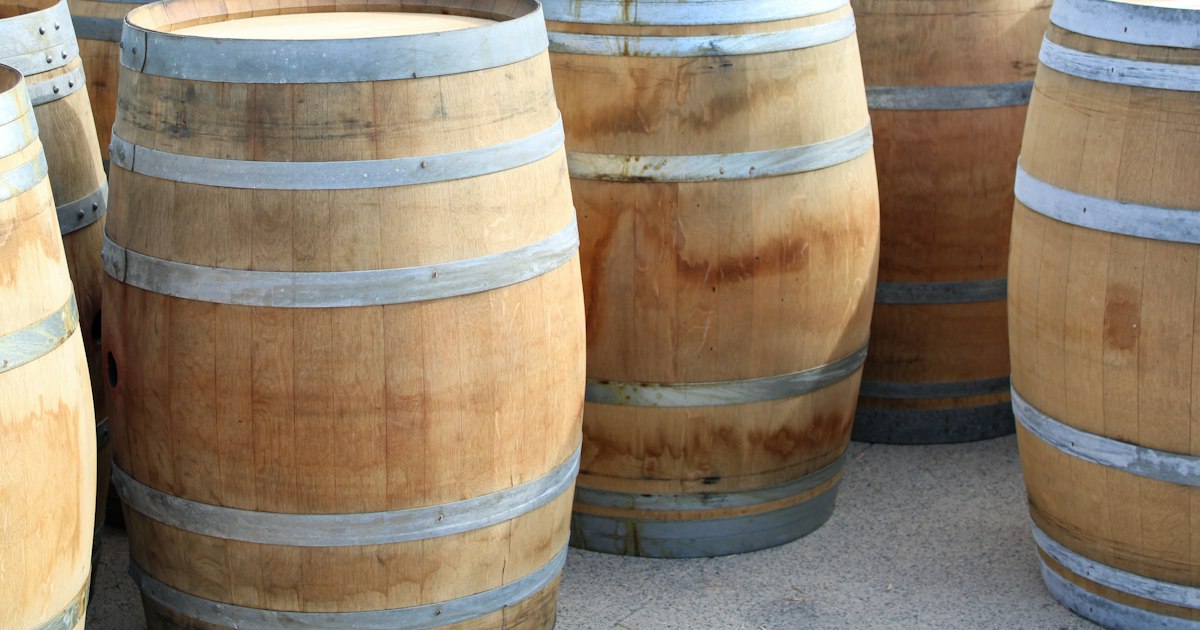
Kikkoman’s factory tour in Noda, Chiba is a fine introduction to industrial soy sauce production, but it’s exactly that — industrial. If you want to see soy sauce or miso made the way it was a century ago, in cedar barrels taller than a person, inside wooden warehouses that smell like fermenting soybeans, you need to leave the Tokyo suburbs and head into the countryside. A handful of small towns built their entire economy around brewing, and several of their breweries still let visitors in, usually for the price of a train ticket and a little advance planning.
Why Look Beyond Kikkoman’s Noda Tour
The Noda tour is free, requires reservations months out for popular slots, and understandably focuses on food safety and automation rather than craft. The breweries below are smaller, older, and often family-run, which means fewer visitors per day but a much closer look at the actual process: moromi (fermenting mash) aging in wooden kioke barrels, workers turning mash by hand, and shops where you can buy a bottle pressed that same season. None of them are theme-park polished, and that’s the point.
Yuasa, Wakayama: Where Soy Sauce Was Born
Yuasa is widely credited as the birthplace of Japanese soy sauce. A Zen monk named Kakushin reportedly brought a miso-making technique back from China in the 13th century, and the liquid that pooled on top of the fermenting miso became the ancestor of modern shoyu. The town’s old merchant quarter, a designated Important Preservation District, is still lined with dark wooden buildings and working soy sauce makers.
The one to see is Kadocho (角長), founded in 1841 and still brewing in wooden barrels. Next to the shop is a small soy sauce museum (醤油資料館) you can walk through on your own, generally open daily from around 9:00 to 17:00 — though like most family operations here, hours shift seasonally and the shop occasionally closes without much notice, so don’t plan a trip around a single narrow window. Entry to the museum is free; a bottle of their soy sauce runs roughly ¥500–900 depending on size and aging.
Getting there: take the JR Kisei Line from Wakayama Station (about 25 minutes) or from Osaka’s Shin-Osaka/Tennoji area (roughly 1.5–2 hours with a transfer in Wakayama). This is a local line, not shinkansen territory, and trains can run just once or twice an hour, so check the return schedule before you wander off into the backstreets. If you enjoy this kind of preserved merchant streetscape, Omihachiman in Shiga makes a nice comparison on a different trip — similar Edo-era trading-town atmosphere, built on canal commerce instead of fermentation.
Shodoshima, Kagawa: Japan’s “Soy Sauce Island”
Shodoshima, in the Seto Inland Sea, has brewed soy sauce for around 400 years and at its peak supported roughly twenty producers; several are still running in a cluster known locally as Hishio no Sato (“Soy Sauce Village”), where rows of weathered black wooden warehouses line the lanes.
Yamaroku Shoyu is the standout for anyone who wants to see real craft: it’s a small family brewery that still ages its mash in 150-year-old wooden kioke barrels, and the owner personally leads short tours explaining why so few coopers left in Japan can still build or repair them. Tours are by reservation (phone or their website, often in advance) and typically run a small fee. Nearby, the Marukin Soy Sauce Museum occupies a wooden building from 1907 and charges a modest entrance fee (around ¥210 for adults last I checked), open roughly 9:00–16:00 with occasional closed days — check before you go.
Getting there: ferries run to Shodoshima from Takamatsu port in Kagawa (about an hour) and from a couple of ports near Okayama. Takamatsu itself is reachable from Okayama by JR limited express in under an hour, making a Shodoshima day trip realistic from either Osaka or Hiroshima if you start early. Ferry schedules thin out considerably outside peak season, so lock in your return crossing before you commit to a long lunch.
Shinshu Miso Country: Nagano’s Working Kura
Nagano Prefecture produces roughly half of all miso made in Japan, and the region’s “Shinshu miso” is lighter and saltier than the darker miso of the north. Several kura (breweries) around Nagano City and the surrounding valley towns welcome visitors by advance reservation, usually arranged through the local tourism office since most don’t run daily walk-in tours. It’s a less packaged experience than Yuasa or Shodoshima — fewer English materials, more reliance on a translator or a Japanese-speaking companion — but the payoff is seeing miso tanks the size of small rooms in a working countryside facility rather than a museum display case.
Getting There, Timing, and Booking Tips
Most of these breweries are small operations with two or three staff, not tourist attractions with a ticket counter — treat a visit more like booking a reservation at a tiny restaurant than buying a museum ticket. Email or call ahead where possible; your hotel concierge can often make the call for you in Japanese. Tours run year-round since fermentation is a slow, steady process rather than a seasonal event, but the walking parts — especially in Yuasa’s old town and Shodoshima’s Soy Sauce Village — are far more pleasant in spring (March–May) or autumn (October–November) than in Japan’s humid August heat. Avoid visiting around New Year and mid-August Obon, when many family-run shops close for several days.
Common Mistakes to Avoid
- Confusing this with a sake brewery tour. “Brewery” searches in Japan skew heavily toward sake; double-check you’ve booked a shoyu or miso kura, not a sakagura.
- Showing up without a reservation. Unlike Kikkoman’s visitor center, these are working factories first — a locked door or a polite refusal is common if you just turn up.
- Underestimating rural transit gaps. Local trains on lines like the Kisei Line and inter-island ferries can run hourly or less — missing one return crossing can cost you the rest of the day.
- Packing bottles in carry-on luggage. Soy sauce and miso paste both count as liquids/gels at airport security; put purchases in checked bags. If you’re already thinking about which Japanese condiments travel well, the reasoning in our guide to bringing tonkotsu broth kits home on sealed, checkable packaging applies here too.
Budget, Mid-Range, and Splurge Options
On a budget, Yuasa is hard to beat: the soy sauce museum is free, the old town costs nothing to wander, and a souvenir bottle runs ¥500–900. Mid-range travelers can combine a Shodoshima ferry crossing (roughly ¥700–1,200 one way from Takamatsu) with the Marukin museum’s small entry fee and a shoyu-based somen lunch — the island is also known for its noodles and olive oil. For a splurge, hire a private English-speaking driver-guide for a countryside loop that strings together a brewery visit with another rural stop, the way travelers pair hands-on food experiences like the kamaboko-making workshops in Odawara with a broader day of regional food culture rather than a single stop.
None of these breweries are set up for mass tourism, which is exactly why they’re worth the extra planning. A little advance booking and a flexible train schedule get you something Kikkoman’s Noda tour, for all its polish, simply can’t offer: the smell of a 150-year-old barrel still doing its slow, quiet work.