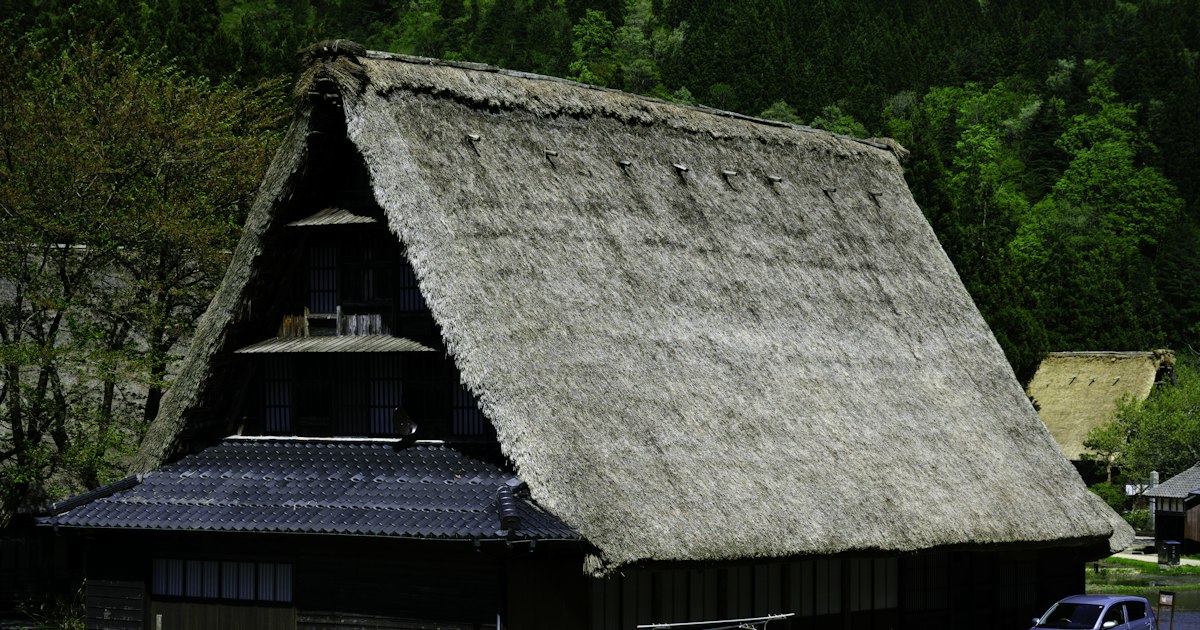
Ouchi-juku is one of those places that looks like a movie set until you notice the smoke curling out of a chimney or the soba shop owner sweeping the dirt road at 8am. Tucked in the mountains of Shimogo, Fukushima Prefecture, this former Edo-period post town still has around thirty kayabuki (thatched-roof) buildings lining a single wide street, with no utility poles in sight. It’s a genuine working village, not a reconstruction, and it rewards the extra effort it takes to reach it. Here’s exactly how to get there, what it costs, and when to go.
What Makes Ouchi-juku Worth the Detour
During the Edo period, Ouchi-juku was a shukuba — a rest stop for travelers and feudal processions moving along the Aizu-Nishi-Kaido road between Aizu and Nikko. Unlike most post towns, which lost their original buildings to fires, modernization, or road widening, Ouchi-juku’s thatched houses survived largely intact and are now protected as an Important Preservation District for Groups of Traditional Buildings. Most of the houses function as soba restaurants, sake shops, or craft stores, so you can walk the street, eat lunch, and browse local pottery and woven goods all within a few hundred meters.
Climb the stone steps behind the village to the small Kouzu Shrine for the classic postcard view: a sea of brown thatched roofs framed by forested hills, especially striking under snow or autumn color.
How to Get to Ouchi-juku from Tokyo
There’s no shinkansen stop anywhere near Ouchi-juku, so the trip takes a bit of planning. The most efficient route from central Tokyo is:
- Tobu Asakusa Station → Aizu-Tajima Station on the Tobu/Aizu Railway through-service limited express (often branded “Revaty Aizu”). The ride takes roughly 3 hours and costs around ¥4,000–5,000 one-way depending on reserved seating.
- Aizu-Tajima Station → Yunokami Onsen Station on the local Aizu Railway Line, about 15–20 minutes and roughly ¥300.
If you’re coming from the Tohoku Shinkansen side instead, get off at Koriyama or head to Aizuwakamatsu first (via the JR Banetsu-sai Line or a direct bus from Koriyama), then connect south to Yunokami Onsen Station on the Aizu Railway. Many travelers combine the two: Aizuwakamatsu Castle and Higashiyama Onsen in the morning, Ouchi-juku in the afternoon, since they sit on the same rail line roughly 40 minutes apart.
Driving is the easiest option if you’re already on a Japan road trip — Ouchi-juku has a paid parking lot at the village entrance for about ¥500 per car — but renting a car just for this trip from Tokyo isn’t worth it given the distance and mountain roads in winter.
Getting from Yunokami Onsen Station to the Village
Yunokami Onsen Station itself is worth a photo — its thatched roof was built to match the village it serves. From there you have three options to cover the remaining 6km:
- Seasonal shuttle bus: Runs on weekends and holidays roughly from spring through autumn, costing around ¥400 one-way (20 minutes). Schedules are limited and seasonal, so don’t count on it being available, especially on weekdays or in winter.
- Taxi: The reliable option year-round, roughly ¥3,000–3,500 one-way. Taxis don’t typically wait at the station, so it’s worth calling ahead or asking station staff to arrange one, particularly outside peak tourist hours.
- Walking: About 25–30 minutes on a paved road with light traffic. Fine in good weather, not recommended on icy winter roads or carrying luggage.
Because this last leg has no guaranteed public transit, build slack into your schedule — missing the last shuttle bus back can mean a long wait for a taxi in a village with very little street lighting after dark.
What to Do and Eat Once You’re There
The village itself is free to walk around, and most shops and restaurants are open roughly 9:00am to 4:00–5:00pm, though hours vary by shop and some close entirely on weekdays in deep winter. Budget two to three hours to cover the street, climb to the shrine viewpoint, and sit down for a meal.
The dish to order is negi soba — cold buckwheat noodles served with a single long, whole green onion (negi) standing in the bowl in place of chopsticks. You eat the noodles using the negi itself, then bite into it as a palate-cleansing snack. It’s as much a photo-op as a meal, and expect to pay around ¥1,200–1,500 for a bowl. Grilled fish on skewers roasted over charcoal at streetside stalls (around ¥300–500 each) make a good snack between shops, and several stores pour tastings of local sake and amazake.
If you’re interested in traditional Japanese craftsmanship more broadly, Ouchi-juku’s thatchers use the same kind of hand-honed techniques seen in other preserved trades around Japan — readers who enjoyed learning how tatami mats are woven and bound by hand will appreciate the same slow, manual process behind rethatching a roof here, which is still done by local craftsmen roughly every 20–30 years.
Best Time to Visit
Ouchi-juku has distinct seasonal personalities. Late October into early November brings strong autumn foliage against the thatched roofs. Winter (January–February) is arguably the most photogenic time, when snow blankets the roofs and the village holds its Snow Festival on the second weekend of February, with candle-lit snow lanterns lining the street at night. Roads and footing can be genuinely icy in winter, though, so pack proper boots and move carefully on the stone shrine steps.
Summer is green and lush but also the most crowded on weekends, since it’s a popular day trip from both Tokyo and Aizuwakamatsu. If you can visit on a weekday, do — the narrow street gets tight with tour groups by midday on Saturdays and holidays.
Budget, Splurges, and Common Mistakes
This is an easy destination to do cheaply: round-trip rail from Tokyo plus a soba lunch and taxi both ways comes in under ¥15,000 per person for a day trip. For a splurge, several ryokan and minshuku in Yunokami Onsen or nearby Ashinomaki Onsen offer overnight stays with hot spring baths, letting you see Ouchi-juku without the crowds early in the morning before day-trippers arrive.
The most common mistake is underestimating the last leg of the journey — travelers assume there will be a taxi waiting at Yunokami Onsen Station, and in the off-season there often isn’t. Call ahead, check the current shuttle bus schedule before you go, and don’t plan your last train back too tightly. It’s also worth sorting out mobile data before you leave Tokyo, since signal in the mountains around Shimogo can be patchy, and you’ll want a working map and translation app to arrange that taxi. And because this is a rural, low-traffic area with modest medical facilities nearby, it’s worth knowing roughly what happens if you need care without travel insurance before heading somewhere this far off the beaten path.
If you enjoy this kind of slow, out-of-the-way day trip, it’s a similar spirit to heading to Cape Ashizuri at the southern tip of Shikoku or combining sightseeing with a soak, the way travelers do on the outlet-and-spa day trip from Nagoya — destinations that reward travelers willing to leave the shinkansen corridor behind.