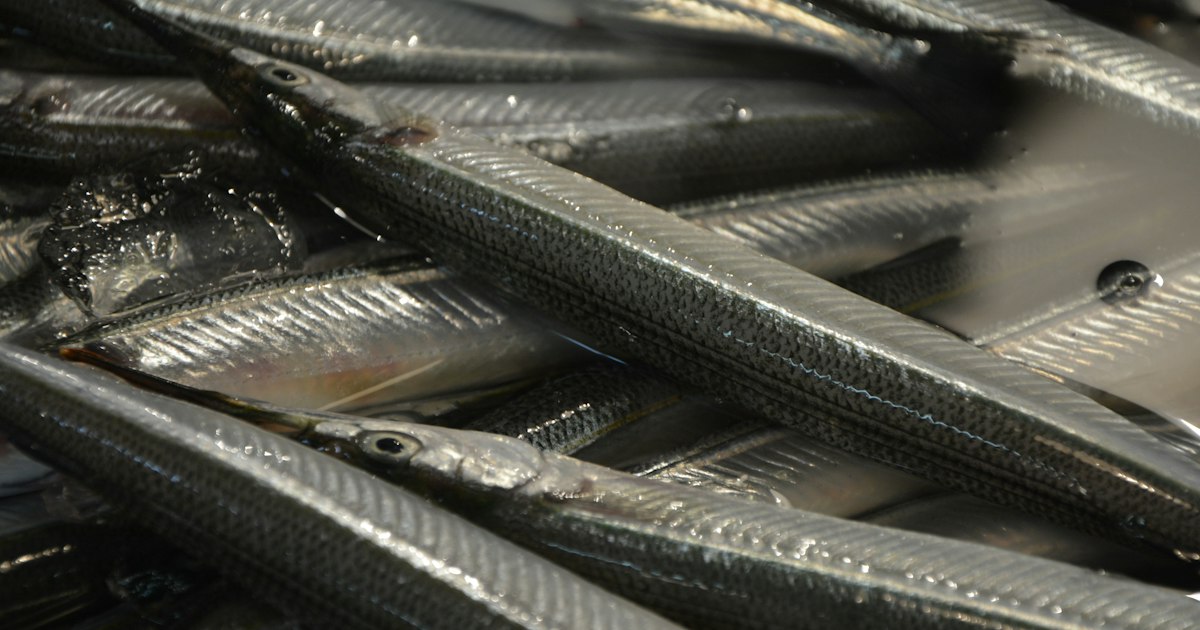
Photo by Beth Macdonald on Unsplash
Order “odorigui” at a Japanese seafood restaurant between January and April and you’ll get a small glass or lacquered cup of nearly transparent fish, each one still twitching. This is shirauo (白魚), one of Japan’s handful of dishes eaten alive, and it’s less a dare than a seasonal delicacy prized for its clean, faintly sweet flavor and the pop of texture you only get in the first few seconds after it leaves the water. Here’s what it actually is, when to go looking for it, and where it’s traditionally served.
What Is Shirauo, and Why Is It Served “Dancing”?
Shirauo is a small, slender icefish in the Salangidae family, usually 5-7cm long, that lives in brackish water where rivers meet the sea and swims upstream in late winter to spawn. It’s easy to confuse with shirasu (baby sardine or anchovy, usually boiled or dried) — shirauo is a distinct species, served raw, and noticeably more translucent, almost glass-like, with just a faint silver line down the spine.
The “odorigui” (踊り食い, literally “dancing eating”) preparation is what gets attention: the fish are served live in a small amount of water or directly over ice, sometimes with a splash of ponzu or a raw egg to dip them in, and they’re still moving when you pick them up with chopsticks. The “dance” is just the fish’s normal swimming motion reacting to being lifted into air and light — it stops within a second or two once in your mouth. It’s eaten whole, usually in one bite, with a light soy-vinegar or ponzu dip rather than wasabi, since the flavor is subtle enough that strong condiments overwhelm it.
Best Season and Timing
Shirauo is a cold-water, early-spring fish, and the live odorigui version is almost never available outside of roughly January through April. Peak quality is usually February to March, when the fish are at their fattest just before the spawning run upstream; by late April they’re laying eggs and the texture turns stringier, so most restaurants quietly drop the dish from the menu until the following winter. If you’re planning a trip specifically to try this, build in a buffer — it’s weather- and catch-dependent, and a bad haul can mean a restaurant simply doesn’t have it that week even in-season. Calling ahead or checking a restaurant’s seasonal menu board the same day is worth the ten minutes.
Where to Try It
Shirauo odorigui isn’t a Tokyo specialty — it’s tied to specific river and lake systems where the fish actually spawn, so you generally have to travel to a particular region to find it done properly and fresh.
- Fukuoka / Yanagawa area, Kyushu: The Chikugo River delta around Yanagawa, a canal town about 40 minutes by train or car south of Hakata, is one of the best-known shirauo areas in Japan. Riverside restaurants here build whole seasonal set menus around it — tempura, suimono (clear soup), and the live odorigui course together, typically ¥3,000-¥6,000 per person for a multi-dish shirauo set. If you’re routing through on the Kyushu Shinkansen, it’s worth checking which seats actually have power outlets for the ride down, since Yanagawa itself is a day-trip add-on rather than a shinkansen stop.
- Lake Kasumigaura, Ibaraki: Japan’s second-largest lake, northeast of Tokyo, has a long freshwater-fishing tradition and shirauo is one of its signature catches alongside wakasagi (pond smelt). Lakeside restaurants in Tsuchiura and Kasumigaura City serve it as tempura and in small odorigui portions, generally cheaper than Kyushu’s dedicated set menus — think ¥1,000-¥2,500 for a shirauo dish as part of a larger lunch.
- Shimanto River, Kochi, Shikoku: Known as Japan’s “last clear stream,” the Shimanto has shirauo season fishing using traditional stationary nets, and riverside minshuku and small restaurants in towns like Kuroshio and Shimanto City serve it very fresh in spring. This is a more rural, lower-key option than Fukuoka’s set-menu restaurants — expect simpler presentation but excellent freshness.
- Tokyo and Osaka: A small number of high-end sushi and kappo (seasonal kaiseki) restaurants fly in shirauo during peak season and will serve odorigui or lightly seared shirauo as a single course within an omakase menu. It shows up on menus, but it’s the exception rather than something you can walk in and order at will — call ahead if a specific restaurant’s seasonal menu lists it.
What It Costs: Budget to Splurge
As a standalone small plate at a casual izakaya or riverside restaurant in-season, a single odorigui serving (roughly 10-20 fish) typically runs ¥800-¥1,500. Mid-range options are the regional set menus — Yanagawa’s shirauo kaiseki courses that pair the live dish with tempura, rice, and soup land around ¥3,000-¥5,000. On the splurge end, a shirauo course folded into a full kaiseki or sushi omakase at a high-end restaurant in Tokyo or Fukuoka can push the total meal well past ¥15,000-¥20,000, though you’re paying for the whole menu, not just the fish.
Common Mistakes First-Timers Make
The biggest mistake is hesitating too long — the fish are freshest and most lively in the first minute or two after being served, and a lot of the appeal (texture, mild nervous twitching) fades fast if you let the plate sit. Chew rather than swallow whole; it’s a myth that you need to swallow odorigui fish live and intact, and chewing actually brings out more of the mild sweetness. Skip the wasabi — the flavor is subtle enough that a strong dip just masks it, so stick with the ponzu or light soy sauce the restaurant provides. And don’t assume shirauo is available year-round just because a restaurant serves raw seafood generally; outside of January-April, ask specifically rather than assuming it’s on the menu, since many places simply don’t carry it off-season.
If raw, live seafood isn’t something you want to commit to, most of the same restaurants also serve shirauo as kakiage tempura or in a clear suimono soup, which keeps the delicate flavor without the live-eating element — a reasonable way to try the fish if odorigui feels like too much on a first attempt.
Is It Worth Seeking Out?
Shirauo odorigui sits in the same adventurous-eating category as dishes like kani miso or nankotsu chicken cartilage — not shocking once you’ve tried it, but genuinely unlike anything most visitors have eaten, and tied closely enough to a short season and specific regions that it rewards a bit of planning. If your trip already has you near Fukuoka, Ibaraki, or Kochi between January and April, it’s an easy, inexpensive detour; it’s probably not worth rerouting an entire itinerary around, but it’s a strong reason to build in a half-day stop at a river or lake town you might otherwise skip.