Photo by Uttam Kumar Roy on Unsplash
Umeshu (梅酒) shows up on every izakaya drinks menu, in every duty-free shop, and on convenience store shelves across Japan — yet most visitors have only a vague idea of what it is. It’s not wine in the grape sense, it’s sweeter than most people expect, and the good stuff is worlds away from the syrupy version poured at tourist-trap bars. Here’s what to know before you start tasting.
What Exactly Is Umeshu?
Umeshu is made by steeping unripe ume plums (closer to an apricot than a Western plum, botanically) in a clear spirit along with rock sugar for several months to a year. The sugar draws out juice and acidity from the fruit while the alcohol pulls out flavor compounds, leaving a drink that’s tart, fruity, and noticeably sweet, usually 10–15% ABV — lower than most spirits, higher than wine. Commercial versions can taste almost candy-like; artisan umeshu from a good producer tastes more like a stone-fruit liqueur with real backbone and acidity.
Most umeshu is made with a neutral shochu base, which is why it pairs naturally with everything else in Japan’s shochu world — if you want the fuller picture of what that base spirit is and how it differs from sake, our guide to shochu is a useful companion read before you go bottle-shopping.
Where Umeshu Actually Comes From
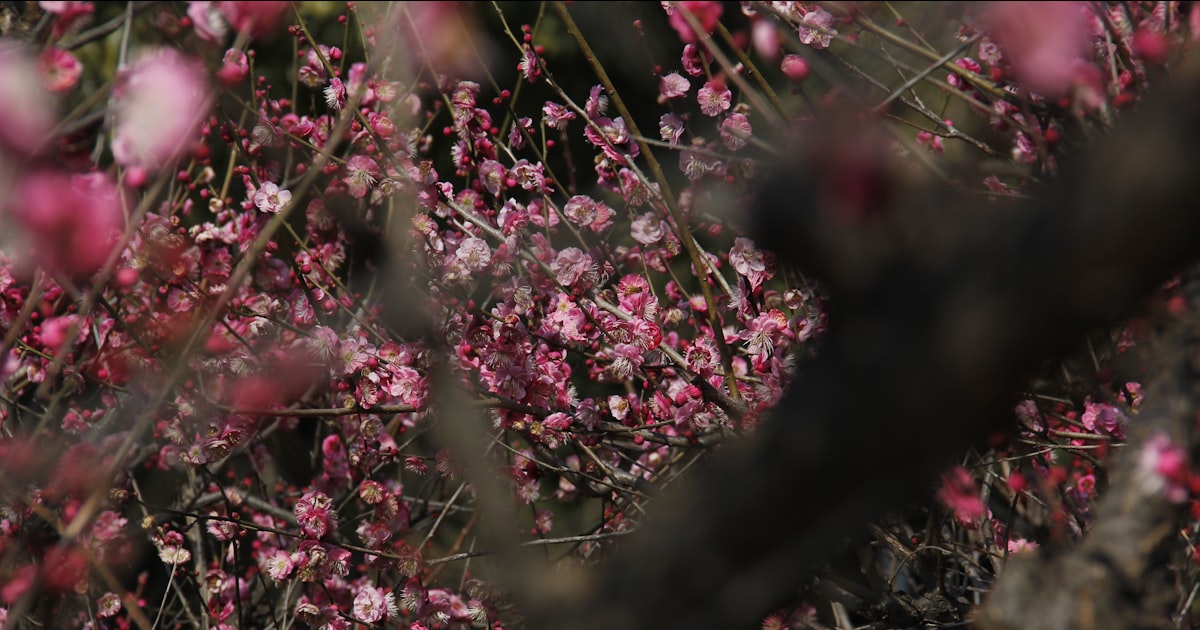
Wakayama Prefecture, on the Kii Peninsula south of Osaka, produces roughly half of Japan’s ume crop, and the town of Minabe is considered the spiritual home of the fruit — you’ll see ume orchards blanketing the hillsides there in late February when the blossoms open, well before the fruit itself ripens. You don’t need to travel to Wakayama to drink well, though; Kyoto, Tokyo, and pretty much every regional city sell excellent regional umeshu, often labeled with the prefecture the plums came from (Wakayama-san ume is the label to look for if you want the real thing rather than a mass-market blend).
Best Season for Tasting and Buying
Ume trees blossom in February and March, but the fruit itself is harvested green and unripe in late May through June — this harvest window is called umeshi-zake season in producer regions, and it’s when supermarkets nationwide stock bags of fresh green ume alongside rock sugar and shochu for home-brewing, a popular seasonal ritual in Japanese households. If you’re visiting in June, this is also when department store basement food halls (depachika) tend to run umeshu tasting counters and seasonal displays, since June overlaps with Japan’s rainy season (tsuyu) and retailers lean into indoor, cozy products. You can buy and drink umeshu year-round, but if you want to see the fresh fruit itself and catch tasting events, late spring to early summer is the window.
Where to Try and Buy It
You don’t need to seek out a specialty bar — nearly every izakaya has at least one umeshu on the menu, usually served on the rocks or as an umeshu soda, typically ¥500–800 a glass. For browsing a wider range in one place, food-and-drink shopping streets are your best bet. In Kyoto, Nishiki Market has several shops selling regional umeshu by the bottle, often with small tasting pours available before you buy. In Tokyo, convenience stores and supermarkets stock reliable mass-market brands like Choya and Nakano BC in the ¥900–1,800 range for a 500ml–720ml bottle, and airport duty-free shops (Narita, Haneda, Kansai) sell gift-boxed versions that travel well. If you’re assembling a home bar setup or want proper rocks glasses to serve it in once you’re home, Kappabashi Kitchen Town in Tokyo sells restaurant-grade glassware at a fraction of department store prices.
How to Drink It
The most common serving style is umeshu on the rocks — poured over ice, which dilutes the sweetness as it melts. Umeshu soda (umeshu mixed with sparkling water) is lighter and more common in summer; umeshu with hot water (oyuwari) shows up in colder months and brings out a mellower, almost medicinal warmth. A small but growing number of bars also serve it neat as a digestif, which is really the only way to taste what a well-made bottle is doing — neat is where the difference between a ¥900 supermarket bottle and a ¥5,000 craft one becomes obvious.
Budget, Mid-Range, and Splurge Bottles
Budget (¥900–1,500): Choya and Nakano BC’s standard lines are widely available, reliably sweet, and a safe starting point if you’ve never tried umeshu before. Convenience store canned umeshu highballs (around 350ml, ¥150–250) are a fine way to sample the flavor without committing to a full bottle.
Mid-range (¥1,800–3,500): Look for single-prefecture labels, especially anything marked Wakayama-san or Nanko-ume (a specific premium ume cultivar). These use better fruit and less added sugar, so the plum flavor and acidity come through more clearly instead of being buried in sweetness.
Splurge (¥4,000–8,000+): Small-batch craft producers, often sold only at the brewery or at specialty liquor shops, use aged shochu or even sake as the base and let the umeshu mature for several years. These are worth seeking out if you’re already a fan of Japanese spirits — they taste closer to a fine sherry than to a fruit cooler.
Common Mistakes to Avoid
The biggest one is judging umeshu entirely by a cheap bottle — the mass-market stuff is intentionally sweet and approachable, and it’s not representative of what the category can do, the same way a cheap supermarket wine doesn’t represent what wine can be. Second, don’t assume all umeshu is low-proof and harmless; some artisan bottles push closer to 20% ABV, and the sweetness masks the alcohol easily. Third, if you’re buying bottles to bring home, check your destination country’s alcohol import allowance before loading up your suitcase — most travelers can bring one to three bottles duty-free, but limits vary widely. And if you’re gifting a bottle to someone, a nicely wrapped umeshu bottle makes a better souvenir than most trinkets; a furoshiki cloth wrap is a far more Japanese presentation than a plastic bag and doubles as a usable gift itself.
Umeshu rewards a little curiosity beyond the tourist-menu pour. Try one glass on the rocks at an izakaya, then track down a single-prefecture bottle at a market or specialty shop — the gap between the two is usually enough to turn a polite sip into a genuine favorite.