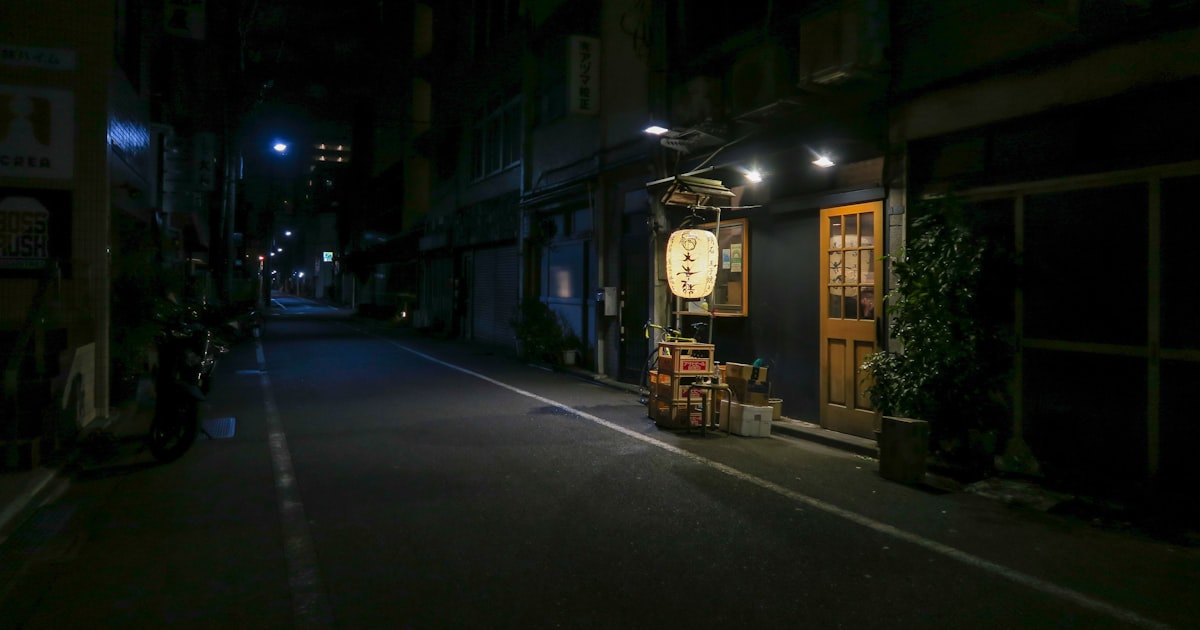
Photo by Shigeki Wakabayashi on Unsplash
The Shinkansen gets all the glory, but it isn’t the only way to cross Japan while you sleep. Overnight highway buses (yakou bus) quietly move thousands of budget travelers, students, and commuting workers between cities every night, often for a third of the bullet train fare. If you’re trying to stretch a Japan budget without losing a full day to travel, the overnight bus deserves a serious look — with a few tradeoffs you should know about before you book.
Why Take an Overnight Bus?
The math is simple: an overnight bus does double duty as transport and accommodation. Instead of paying for a Shinkansen ticket during the day and a hotel room at night, you pay once for a seat that gets you to your destination early the next morning, ready to start sightseeing. On routes like Tokyo–Osaka or Tokyo–Kyoto, that can mean saving 10,000–15,000 yen per person compared to a bullet train ticket plus a night’s lodging. It’s especially useful for travelers doing a loop through the Kansai region, heading to onsen towns like Kinosaki Onsen, or connecting to gateway cities like Matsumoto before continuing into the Japan Alps.
How Much Do Overnight Buses Really Cost?
Prices swing widely based on seat type, how far ahead you book, and the season. On the busiest corridor, Tokyo–Osaka, expect roughly:
- Budget 4-across seats: 3,000–6,000 yen one way
- 3-across or reclining seats: 6,000–9,000 yen
- Premium seats (privacy curtains, deep recline, footrests — Willer Express’s “Cocoon” or similar):
- 10,000–15,000 yen
Compare that to a reserved-seat Nozomi Shinkansen on the same route, which runs around 14,000–15,000 yen one way and takes about 2.5 hours. The bus takes 8–9 hours, but you’re asleep for most of it, and you arrive with a full day ahead of you rather than a half-day already spent on lodging costs. Longer routes scale accordingly — Tokyo to Hiroshima, for instance, runs roughly 6,000–14,000 yen and takes about 11–12 hours. As with air travel, prices rise the closer you book to departure, and they spike hard around Golden Week (late April–early May), Obon (mid-August), and New Year, when seats can sell out weeks in advance and prices can more than double.
The Main Operators and How to Book
Willer Express is the most foreign-visitor-friendly operator, with an English-language booking site, clear seat diagrams, and its distinctive curtained “Cocoon” seats. JR Bus (operating as JR Bus Kanto, JR Tokai Bus, and regional JR affiliates) runs reliable “Dream” sleeper coach routes, particularly Tokyo–Osaka and Tokyo–Kyoto, often departing from Tokyo Station or Shinjuku. Regional players like Kansai Bus, Orion Tour, and Seibu Bus fill in specific routes at lower prices but with less English support. Comparison sites such as Kosoku Bus and Bus Hikaku let you filter by price, seat type, and departure time across multiple operators at once — useful since the same route can vary by several thousand yen between companies on the same night. Payment is usually by credit card online, though some sites also allow konbini (convenience store) payment.
What to Expect Onboard
Most Tokyo departures leave from Busta Shinjuku, the large bus terminal built directly above Shinjuku Station’s south exit — it’s well signed but can be confusing on a first visit, so arrive at least 20–30 minutes early to find your gate. Buses typically depart between 22:00 and 23:30 and arrive at their destination between 5:00 and 7:00 the next morning, which means you’ll often be standing outside a train station before anything is open. It’s worth planning your first stop accordingly — many travelers head straight to a 24-hour manga café, an early-opening bathhouse, or a station coin locker to store luggage until sights open.
Seats range from cramped 4-across rows (fine for short hops, tough for a full night if you’re tall) to individual reclining seats with curtains, USB ports, and blankets. Not every bus has an onboard toilet — check before booking if that matters to you, since rest stops at highway service areas (SA/PA) happen roughly every 2–3 hours and are your main chance to use a real restroom, buy a snack, or stretch. Under-bus luggage storage is standard and included in the fare, typically one or two bags per person with generous size limits, unlike some overseas budget carriers that charge for hold luggage. Many operators also offer women-only sections or entire women-only buses, which is worth requesting if it makes you more comfortable.
Best Routes and Timing
Overnight buses make the most sense on routes of roughly 6–12 hours by road — long enough that you’d otherwise burn a travel day, short enough that you actually get decent sleep. Tokyo–Osaka/Kyoto, Tokyo–Hiroshima, Tokyo–Sendai, and Tokyo–Kanazawa are the classic corridors, along with connections into Shikoku for travelers combining the Iya Valley and the 88 Temple Pilgrimage with a Tokyo start or end point. Summer and early autumn tend to run smoothly, but winter buses on mountain routes can face delays for snow chains, particularly anything crossing the Japan Alps or heading into Tohoku — build in a buffer day if your onward plans are tight. Once you arrive, remember that IC cards work seamlessly for local transit at your destination; see our guide to IC cards beyond Tokyo for which card to load up before you hop off the bus.
Common Mistakes to Avoid
The most common regret isn’t the price — it’s comfort. Skipping earplugs, an eye mask, and a neck pillow makes a real difference on a bus with dozens of strangers, ceiling lights, and highway noise. Booking the cheapest 4-across seat for a route over 8 hours is a mistake if you’re over about 175cm tall; pay the extra 2,000–4,000 yen for a 3-across or independent seat. Don’t assume you can eat a proper meal at rest stops — they’re geared toward quick snacks and drinks, not sit-down food, so grab a bento or onigiri from a convenience store before boarding. Finally, don’t underestimate how early and disorienting a 5:30am arrival can be; check that your first destination — a hotel, sento, or attraction — is actually open before you plan your morning around it.
Budget, Mid-Range, and Splurge Picks
For pure budget travel, a standard 4-across seat booked a few weeks ahead is hard to beat at 3,000–5,000 yen. For most travelers, a 3-across reclining seat in the 6,000–9,000 yen range hits the sweet spot of comfort and price. If you want the closest thing to actual sleep, splurge on a curtained Cocoon-style or independent seat at 10,000–15,000 yen — still cheaper than a Shinkansen ticket, with a proper night’s rest thrown in. And if your itinerary calls for real flexibility — multiple stops, rural areas, or odd-hour departures — it may be worth comparing against renting a car in Japan instead, particularly for road-trip-style routes where a bus schedule would box you in.