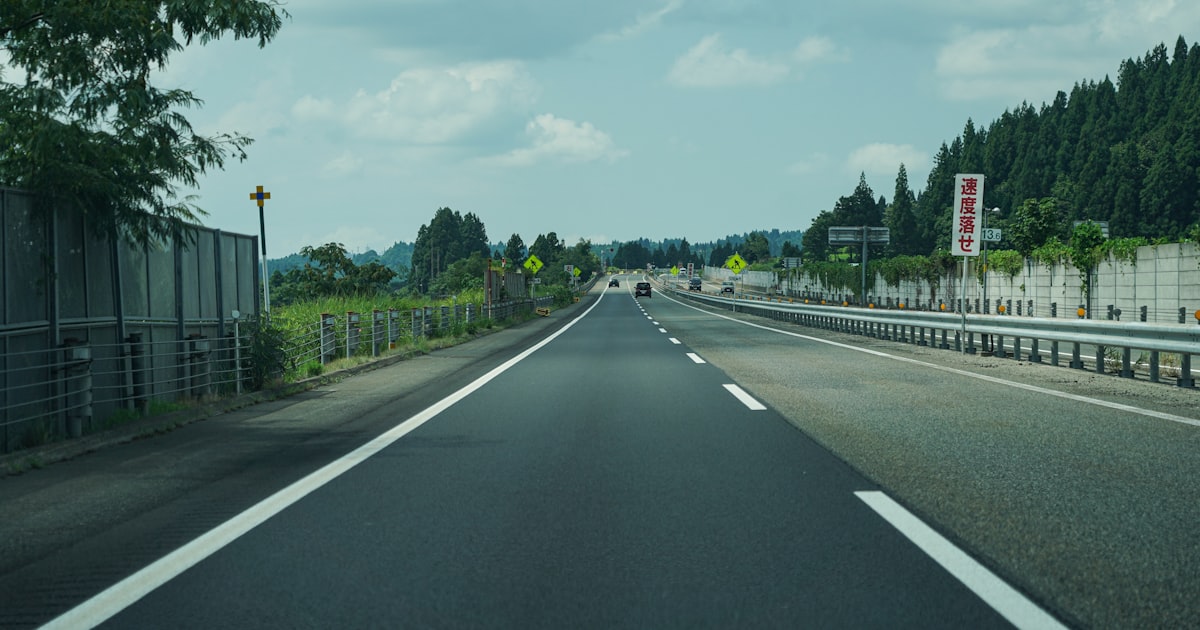
If you’re renting a car in Japan, you’ll pass a brown-and-white sign reading 道の駅 (michi-no-eki) roughly every 15-20 minutes on rural highways. These “roadside stations” are one of Japan’s most useful and least-discussed travel resources: free parking, clean toilets, local produce, regional food, and a genuine window into small-town Japan that most tourists never see. There are now over 1,200 of them nationwide, and for anyone doing a self-drive trip, they’re worth planning around rather than stumbling into.
What Exactly Is a Michi-no-Eki?
Michi-no-eki are government-registered rest stops, certified by the Ministry of Land, Infrastructure, Transport and Tourism since 1993. Unlike a generic highway service area, each one is run in partnership with the local municipality, so the mix of shops always reflects the surrounding region. A typical station has three fixed elements: a free 24-hour parking lot and restroom, a farmers’-market-style shop selling produce and goods from within that town or prefecture, and at least one food counter or restaurant. Beyond that, facilities vary wildly — some have onsen baths, campgrounds, playgrounds, EV chargers, or small museums attached. Entry and parking are always free, and the toilets and parking stay open even after the shops close for the night.
The key distinction from a standard highway SA (service area) is that michi-no-eki sit on regular national and prefectural roads, not the tolled expressway network, so you don’t need to exit and re-enter the toll system to use one — useful if you’re avoiding expressway fees, which typically run ¥24-27 per km.
What You Can Actually Buy There
The produce section is the main draw for most visitors: bags of just-picked vegetables, fruit, rice, and pickles priced well below city supermarkets, often ¥100-500 per item, sold by the farmers themselves and restocked through the day. Many stations also carry regional specialty goods you won’t find elsewhere — local sake, miso, dried fish, or craft items tied to that prefecture’s traditions. If you’re already hunting for ceramics on a Kansai or Kyushu itinerary, it’s worth noting that michi-no-eki near production areas sometimes stock seconds-quality pieces from nearby kilns at a discount; travelers heading toward the Kutani or Arita/Imari regions should keep an eye out. Food-wise, expect a soft-serve ice cream stand (often a local fruit or vegetable flavor, ¥300-400), a food court serving a regional take on standards like katsu curry (a cousin of the curry rice you’ll find all over Japan) for around ¥800-1,200, and vending machines selling everything from hot corn soup to local craft beer.
Opening Hours and When to Time Your Stops
Parking and restrooms are open 24/7/365 at essentially every michi-no-eki, which is the whole point — they’re designed as safe overnight rest points for long-haul drivers. The shops and restaurants, however, keep normal retail hours: typically 9:00 a.m. to 6:00 p.m., with restaurants often closing their kitchen by 4:00 or 5:00 p.m. even if the building stays open later. This matters more than it sounds: arrive at 6:30 p.m. hoping for dinner and you may find only vending machines working. Plan your driving day so you hit the station you actually want to shop or eat at before mid-afternoon, and treat any stop after 5 p.m. as a bathroom-and-stretch break only. Produce sections sell out fastest on weekend mornings, so if you want the best selection of local vegetables, arrive before 10 a.m.
Seasonally, spring (cherry and strawberry season) and autumn (harvest, persimmons, chestnuts) bring the best produce and the most crowded parking lots, especially near popular scenic routes. Winter stations in snow regions are genuinely useful for checking road conditions and warming up, but some smaller ones reduce hours or close entirely between December and March.
How to Find and Use Them on a Road Trip
Every rental car’s built-in navigation system (and Google Maps) marks michi-no-eki with their own icon, so you don’t need to plan routes around them in advance — just glance at the map as you drive and detour to whichever one is coming up. The official michi-no-eki association also publishes a nationwide list by prefecture if you want to research stops before a trip, particularly useful if you’re building an itinerary around a specific route like the coastal roads near Kinosaki Onsen or the approach to Ise Jingu. For the specifics of renting the car itself — international driving permit rules, typical rental costs (budget around ¥6,000-9,000/day for a compact car), and suggested routes — see our full guide to renting a car in Japan.
If you’re not driving a car but still want the michi-no-eki experience, a few are accessible by local bus or bicycle — most notably along the Shimanami Kaido, where roadside stations double as cyclist rest points with air pumps, water, and repair stands built in alongside the usual produce shop.
Common Mistakes to Avoid
The single biggest mistake is treating every michi-no-eki as interchangeable and stopping at random without checking what’s actually there — some are little more than a parking lot and vending machines, while others a few kilometers away have full restaurants and onsen baths. A quick look at the map listing (most show a photo and facility icons) before detouring saves wasted time. Second, don’t assume credit cards work everywhere: smaller produce stalls and food counters, especially in rural Tohoku, Shikoku, and parts of Kyushu, are still cash-only, so keep ¥1,000-¥5,000 in small bills on hand. Third, remember these are not 24-hour convenience stores — if you’re driving late at night expecting a hot meal, you’ll likely find only vending machines and toilets. Finally, resist the urge to buy too much produce too early in a multi-day trip; fresh vegetables and fruit don’t hold up well in a hot rental car, so it’s better to buy near the end of your route or somewhere you can refrigerate that night.
Budget, Mid-Range, and Splurge Stops
At the budget end, most stations cost nothing beyond whatever snacks you buy — a rice ball or bag of fruit runs ¥150-300. Mid-range stops are the ones with a proper restaurant serving a regional set meal, typically ¥1,000-2,000, worth timing your lunch around. At the splurge end, a growing number of “super” michi-no-eki have added day-use onsen baths (¥500-800 entry) or attached hotels, turning a rest stop into a genuine overnight destination — a good option if you’re stringing together a multi-day loop and want to break up long drives without booking a formal ryokan every night.