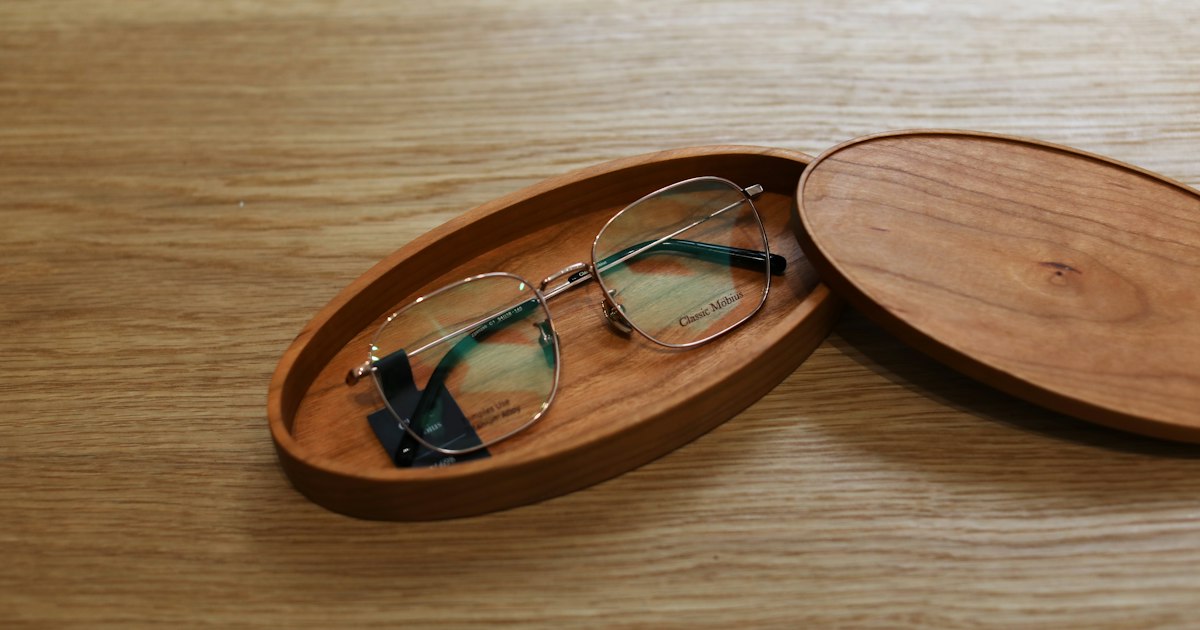
If you’ve ever paid $300 for a pair of prescription glasses back home, Japan’s budget eyewear chains will feel like a glitch in the system. Jins and Zoff are the two biggest names in Japanese “fast fashion” eyewear — full prescription glasses, frame and lenses included, often ready the same day for less than the cost of a hotel dinner. They’re a favorite stop for travelers who broke their glasses mid-trip, forgot their spare pair, or just want a cheap, well-made pair of Japanese frames as a souvenir. Here’s how the two brands differ, what things cost, and how to buy a pair without wasting a day of your trip.
Jins vs. Zoff: what’s the difference?
Both brands were founded in Japan in the early 2000s and built their business on the same idea: cut out the middleman between manufacturing and retail, so a full pair of glasses — frame, lenses, fitting — costs a fraction of what an optician charges. In practice, they feel very similar in-store, but there are a few differences worth knowing:
- Jins leans slightly more tech-forward. It popularized “Jins Screen” blue-light-cutting lenses and has an in-app vision test in some stores. Frame styling tends toward clean, minimal, unisex shapes, and Jins has a larger presence outside Japan (including the US and China), so you may already know the brand.
- Zoff (run by a company called Intermestic) tends to skew a bit more fashion-forward, with frequent designer collaborations (Ne-Net, Kenzo, and various anime/character tie-ins have appeared over the years) and a slightly younger, trend-driven catalog under lines like “Zoff Smart.”
- Pricing and turnaround time are nearly identical between the two, so in practice most people just buy from whichever store is closer.
How much do glasses actually cost?
This is the main draw. Entry-level frames with single-vision prescription lenses typically run from about ¥5,000 to ¥9,000 (roughly $35–$60) at both chains, tax included, lenses included — no extra “lens upgrade” fee for standard thin lenses the way you’d often see at Western opticians. Mid-range and designer-collaboration frames run ¥10,000–¥18,000. Add-ons like blue-light coating, photochromic (sunglasses-that-darken) lenses, or high-index thin lenses for strong prescriptions add roughly ¥3,000–¥8,000 on top. Sunglasses with prescription lenses and premium acetate frames — the “splurge” end for both brands — can reach ¥20,000–¥25,000, which is still well below what you’d pay for a comparable pair from a Western designer brand. Non-prescription reading glasses and sunglasses start even lower, often under ¥5,000.
Getting a prescription made on the spot
You don’t need to bring a prescription from home. Both chains have a free in-store eye exam using an autorefractor (the machine you look into while it clicks through focus) plus a quick manual check with a staff member. The whole exam takes about 10–15 minutes and requires no appointment at most locations — just take a numbered ticket at the counter. If you already wear glasses or contacts, bringing your current prescription or old glasses speeds things up but isn’t required.
Turnaround is the other big selling point: standard single-vision lenses are usually ground and fitted in-store within 30–60 minutes, and many people finish the whole process — exam, frame selection, and pickup — in under an hour. Stronger or more complex prescriptions (high astigmatism, bifocals, very high index lenses) may need to be sent to a lab, which can take a few days to a week; ask at the counter before you commit if you’re on a tight itinerary.
Where to buy: best store types for travelers
Jins and Zoff stores are everywhere in Japan — easily 400+ locations each — which makes them genuinely convenient rather than a special pilgrimage. A few store types are especially useful for visitors:
- Train station branches: Both chains have shops inside or right next to major JR and subway stations (Shinjuku, Tokyo, Shibuya, Ikebukuro, Umeda, Nagoya Station), which is ideal if you need a quick fix between train connections. Staff are used to fast, no-frills transactions here.
- Department store and mall locations: Roomier stores with a bigger frame selection and slightly more patient staff — good if you want to actually browse. You’ll find these in most major malls and department store fashion floors.
- Shopping arcades and discount streets: If you’re already exploring Japan’s bargain shopping districts, it’s worth checking whether a Jins or Zoff branch is nearby — areas like Ameyoko Market in Ueno, Osu Shopping Arcade in Nagoya, or Sugamo in Tokyo often have a branch on or near the main street, so you can knock out eyewear shopping alongside other errands.
Most stores keep standard Japanese retail hours, roughly 10:00 or 11:00 AM to 8:00 or 9:00 PM, seven days a week, with no lunch closure — but hours vary by location (mall stores follow the mall’s hours), so check the specific branch on the Jins or Zoff website before heading out, especially on public holidays.
Tax-free shopping and practical tips
Both chains participate in Japan’s tax-free program for foreign tourists: spend over ¥5,500 (before tax) in a single transaction at a store with a “Tax-Free” sign, show your passport at checkout, and the 10% consumption tax is deducted on the spot — no separate refund counter needed, unlike the old system. Since most complete pairs of glasses clear that threshold easily, bring your passport.
A few common mistakes to avoid:
- Assuming every branch does same-day lenses. Smaller shops in train stations sometimes have limited on-site grinding equipment for complex prescriptions. If timing matters, ask before you pay, or call ahead if your Japanese/English allows.
- Skipping the fitting adjustment. Staff will heat and bend the frame to fit your face for free — it only takes a minute and makes a real difference in comfort, especially with plastic frames.
- Not checking your prescription’s expiry. If you’re bringing a prescription from home, some staff will ask when it was issued; very old prescriptions (2+ years) may prompt them to recommend the free in-store exam instead.
- Buying non-prescription “fashion” frames by mistake. Display models are sometimes just frames — confirm with staff that lenses are being fitted, particularly if you’re communicating across a language gap.
Best time to go
Weekday mornings right after opening are the quietest time at both chains, especially in city-center branches that get crowded with local shoppers after work and on weekends. If you’re traveling in peak tourist seasons (spring cherry blossom weeks or the New Year and Golden Week holidays), expect longer waits, both for the fitting queue and for staff availability to help in English — some larger flagship stores in Tokyo and Osaka have English-speaking staff or translation tools, but it’s not guaranteed everywhere.
For most travelers, Jins and Zoff aren’t a dedicated shopping destination so much as a genuinely handy safety net — and a nice souvenir if you spot a frame you like. Between the low prices, no-appointment eye exams, and same-day pickup, replacing a broken pair of glasses in Japan can end up being easier than it would be at home.