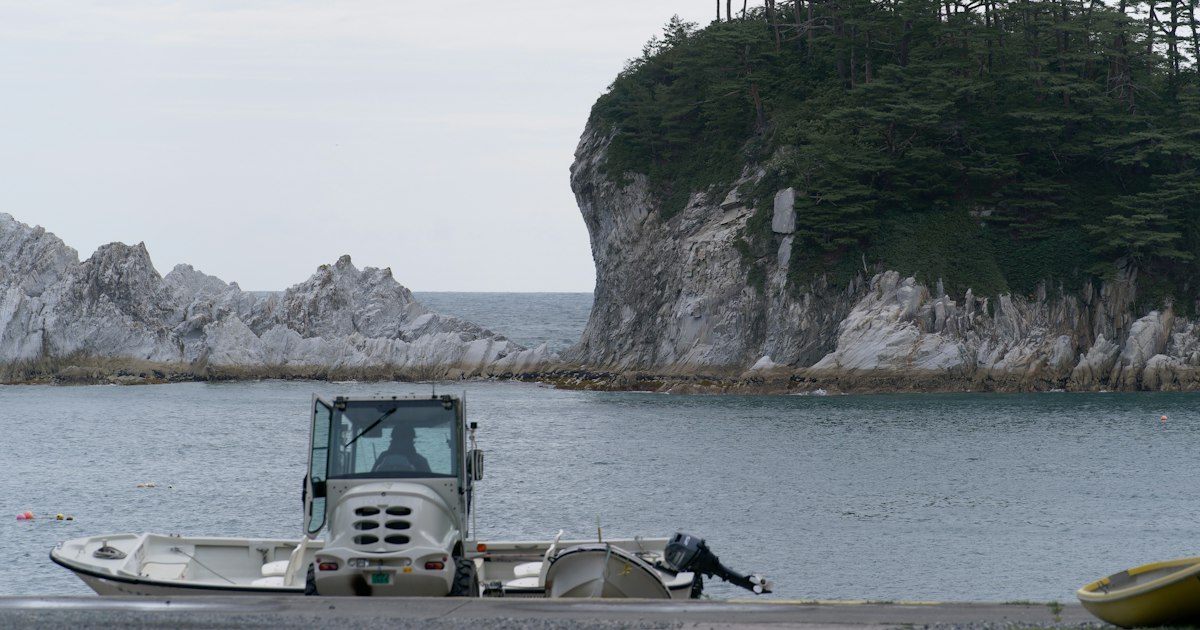
Okunoshima is a small island in Hiroshima Prefecture’s Seto Inland Sea where several hundred wild rabbits roam freely across beaches, forest paths, and an abandoned World War II poison gas factory. It’s an easy half-day or full-day trip from Hiroshima, and unlike many “hidden gem” destinations, it genuinely delivers: rabbits will hop up to your feet within minutes of stepping off the ferry. Here’s how to plan the trip properly, including the details most guides skip.
How to get to Okunoshima
The island itself has no bridge — you reach it by ferry from Tadanoumi Port, a small port town between Hiroshima and Onomichi.
- From Hiroshima Station: Take the JR Kure Line (local/rapid) directly to Tadanoumi Station, about 1 hour 20 minutes. Alternatively, ride the Sanyo Shinkansen or Sanyo Main Line to Mihara Station (about 20–40 minutes) and transfer to the JR Kure Line to Tadanoumi (about 15 minutes) — this combo is often faster overall and worth it if you’re already carrying a rail pass. If you’re routing through the Shinkansen with big suitcases, check Shinkansen oversized luggage rules before you book seats, since Mihara is a standard-car stop with limited oversized-baggage space.
- From Tadanoumi Station to the port: It’s a flat 5-minute walk to Tadanoumi Port, well signposted with rabbit mascots.
- Ferry: Setonaikai Kisen runs the Tadanoumi–Okunoshima ferry, a 12–15 minute crossing. Boats run roughly hourly (more frequently on weekends and holidays), with the first departure around 7:00 am and the last around 5:00–6:00 pm depending on the season. One-way fare is about ¥320 for adults (roughly ¥620 round-trip), with reduced fares for children. Schedules shift seasonally, so check the current timetable on the Setonaikai Kisen website before you go — missing the last boat back means an overnight stay is your only option.
Total travel time from central Hiroshima is around 2 hours door-to-port each way, so budget a full day if you want more than a quick rabbit photo stop.
Best time to visit
Spring (April–May) and autumn (October–November) are ideal — mild temperatures keep the rabbits active and visible throughout the day. In midsummer, rabbits mostly hide in shade during the hottest hours (roughly 11 am–3 pm) and only come out in force early morning or late afternoon; if you’re visiting in July or August, plan around those windows and bring your own water, as shade is limited on the open hillside trails. Winter is quieter and colder but still workable, with rabbits clustering near the ferry terminal and picnic areas where visitors are most likely to feed them. Weekday mornings, right after the first or second ferry, are consistently the least crowded time to visit.
Feeding and interacting with the rabbits
This is where most visitors make avoidable mistakes:
- Don’t bring cabbage, lettuce, or bread from the mainland. Rich, wet vegetables and bread can cause digestive problems in rabbits that survive on a fairly restricted island diet. Buy dry rabbit food (sold as small bags, roughly ¥100–¥200) at the shop near the ferry terminal or at the Kyukamura hotel shop instead.
- Feed from an open palm, not by hand-holding food close to your body — rabbits can nip fingers by accident when several compete for one pellet.
- Don’t pick the rabbits up. It stresses them and can injure them; signage around the island asks visitors not to chase or grab them. Kneeling to their level gets you just as good a photo.
- Early morning and just before the last ferry are the calmest times — midday brings tour groups and the rabbits get overwhelmed with food, some visibly avoiding the crowds by that point.
The island’s wartime history
Okunoshima’s rabbits get the attention, but the island has a heavier backstory. From 1929 to 1945, the Imperial Japanese Army operated a secret poison gas factory here, producing mustard and tear gas — the island was deliberately removed from contemporary maps to keep the facility hidden. The Okunoshima Poison Gas Museum (Doku Gasu Shiryokan), a short walk from the ferry terminal, documents this history with equipment, photographs, and worker testimonies. Admission is around ¥100 for adults and ¥50 for students, and it’s open daily from 9:00 am to 5:00 pm (last entry 4:30 pm). It’s a sobering, worthwhile counterpoint to the island’s cuter reputation, and the overgrown concrete ruins of the old factory buildings — now rabbit shelters — are scattered along the coastal walking path.
Getting around and what else to do
A paved loop road circles the island, about 4.3 km, walkable in 1.5–2 hours at a relaxed pace, or you can rent a bicycle near the hotel for roughly ¥300–¥500 for a few hours. Along the way you’ll pass small beaches, a golf course, and several overgrown gun batteries and munitions storage ruins from the same wartime period. There are no shops or convenience stores beyond the ferry terminal and hotel, so pick up drinks and snacks before boarding if you’re staying past a couple hours — vending machines exist but are limited.
Where to eat and stay
Kyukamura Okunoshima is the only accommodation on the island, a public resort-style lodge run by Japan’s national park lodge chain.
- Budget: The island has a small campground (roughly ¥500–¥1,000 per site) if you’re equipped with your own gear — a good option for early-morning rabbit access before day-trippers arrive.
- Mid-range: Kyukamura’s standard rooms with two meals (Seto Inland Sea seafood-focused dinner and breakfast) run roughly ¥13,000–¥20,000 per person per night — reasonable for a hotel with essentially the whole island to itself after the last ferry leaves.
- Splurge: There isn’t a luxury option on Okunoshima itself; if you want a higher-end stay, base yourself in Onomichi or Hiroshima city and treat Okunoshima as a day trip instead.
The Kyukamura restaurant is the only real dining option on the island outside vending machines, so if you’re day-tripping, eat before or after in Tadanoumi or back in Hiroshima.
Common mistakes to avoid
- Missing the last ferry — there’s no way off the island afterward except the hotel, so double-check the return schedule before you disembark.
- Visiting at midday in summer expecting rabbits everywhere — they’ll be resting in shade.
- Skipping the Poison Gas Museum because it seems like a detour — it’s a five-minute walk from the terminal and adds real context to what you’re seeing.
- Forgetting cash — the ferry, food shop, and museum are all cash-friendly but not guaranteed to take cards.
If you’re building out a Hiroshima-area itinerary with a few offbeat stops, Okunoshima pairs well with a broader look at Japan’s lesser-visited destinations — the Tottori Sand Dunes and mountain escapes like Karuizawa show a similarly different side of the country from the usual temple-and-city circuit.