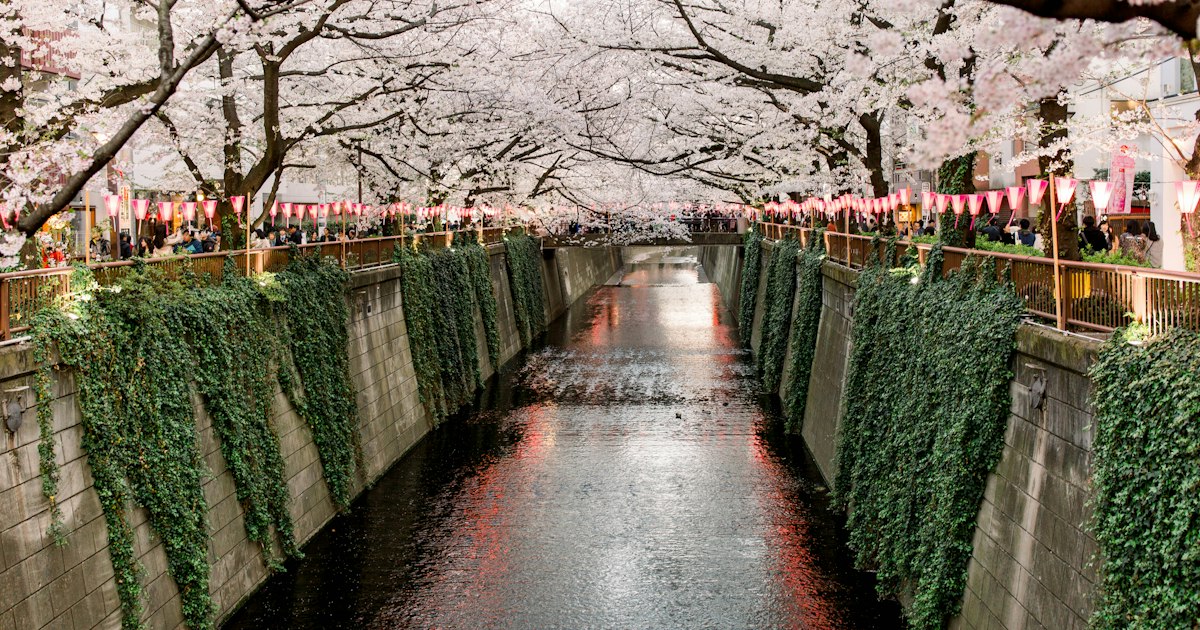
Photo by Jenna Neal on Unsplash
Nakameguro doesn’t have a single “must-see” landmark, and that’s exactly why it rewards a slow afternoon. The neighborhood is built around a half-mile stretch of the Meguro River, lined with 800-some cherry trees, third-wave coffee roasters, vintage clothing racks, and shops that opened because their owners genuinely wanted to live nearby — not because a guidebook told them to. It’s a 15-minute train ride from Shibuya, but it feels like a different city.
Getting There and When to Go
Nakameguro Station sits on both the Tokyu Toyoko Line and the Tokyo Metro Hibiya Line, which makes it easy to reach from almost anywhere in the city. From Shibuya, it’s two stops on the Toyoko Line (about 6 minutes, roughly ¥160). If you’re coming from Roppongi, Ginza, or Ueno, the Hibiya Line runs direct with no transfers.
Cherry blossoms typically peak in Tokyo between late March and the first week of April, and Nakameguro is one of the city’s most photographed hanami spots because the trees form a tunnel directly over the river. During peak bloom, the Nakameguro Sakura Festival hangs paper lanterns along the water for evening illumination, usually running until around 9pm. The catch: this is also when the neighborhood is at its most crowded, with the riverside path reduced to a slow shuffle on weekend afternoons. If you want photos without a wall of people, go on a weekday morning before 9am, or accept the crowds and enjoy the festival atmosphere instead. Outside sakura season, the same walk is quiet and pleasant nearly any time of year, with the trees turning good shades of orange and red in late November.
Cafes Worth the Detour
Coffee is Nakameguro’s other main draw. Starbucks Reserve Roastery Tokyo (2-19-23 Kamimeguro), a four-story flagship with an on-site roaster, is the most famous stop — it opens at 7am and closes at 11pm, and lines can form on weekends, so an early morning or weekday visit is easiest. Drinks and small food items run roughly ¥600–¥1,800.
For something more low-key, Onibus Coffee has a tiny original location tucked on a residential side street a few minutes from the station, serving single-origin pour-overs for around ¥500–¥600. It’s standing-room only inside, which keeps it from ever feeling like a tourist stop. A short walk toward Daikanyama brings you to Log Road Daikanyama, a row of shops built along a former train line that includes Spring Valley Brewery — a good spot for a flight of craft beer (around ¥1,500–¥2,000) if coffee isn’t your thing. If you’re chasing dessert rather than caffeine, Nakameguro’s cafes lean toward pancakes and cheesecake rather than traditional sweets, but if you want to track down Japan’s classic custard treat elsewhere in the city, our guide to purin covers where to find the real old-fashioned version.
Boutiques and Independent Shops
Nakameguro’s shopping is small-scale and specific rather than mall-like, which is its appeal. Cow Books, an independent bookstore right on the riverside path, stocks used and rare titles (mostly Japanese, some English) and is open Tuesday to Sunday, roughly noon to 8pm, closed Mondays. Traveler’s Factory, near the station, is the flagship store for the Traveler’s Notebook brand and a good stop for anyone into stationery or journaling — leather notebook covers start around ¥5,000, with refills and accessories from ¥400.
The area under the elevated train tracks near the station, redeveloped as a row of glass-fronted shops and restaurants, is worth a slow walk-through for fashion and homeware boutiques you won’t find in department stores. If you’re shopping for souvenirs with real craft behind them, keep an eye out for shops selling tenugui (traditional dyed cotton cloths, from about ¥1,000) — a lighter, cheaper alternative to ceramics for a suitcase. For something with more collector value, our guides to Edo Kiriko cut glass and sashiko and boro textiles point to specific Tokyo shops worth combining with a Nakameguro visit, since both crafts show up in the neighborhood’s better boutiques.
Budget, Mid-Range, and Splurge
- Budget (under ¥2,000): A pour-over at Onibus Coffee, a walk along the river, and window shopping under the elevated tracks costs almost nothing beyond a train fare and a coffee.
- Mid-range (¥2,000–¥6,000): A drink and pastry at the Starbucks Reserve Roastery, plus a notebook or tenugui from one of the boutiques, fits comfortably in this range.
- Splurge (¥6,000+): Several small izakaya and bistro restaurants along the river do multi-course lunches or dinners in the ¥5,000–¥10,000 range; pair one with a bottle from a boutique wine shop for a proper evening out.
Common Mistakes to Avoid
The biggest mistake is timing: full bloom only lasts about a week to ten days, and it shifts year to year depending on spring weather, so check a current-year sakura forecast rather than assuming late March will always work. The second is assuming the whole neighborhood is walkable in twenty minutes — the interesting shops and cafes spread out over both banks of the river and into the side streets toward Daikanyama, so budget at least two hours if you want to actually browse rather than just photograph the trees. Third, many of the smaller boutiques and cafes close one day a week (often Monday or Tuesday) and don’t open until 11am or noon, so this isn’t a neighborhood for an early-morning shopping run outside of the coffee spots. Finally, cash still matters here — some of the smallest independent shops and cafes are card-only or cash-only in either direction, so carry some yen as a backup.
A Good Half-Day Plan
Start at Nakameguro Station around 9 or 10am, walk the river path toward Daikanyama while the crowds are thin, stop for coffee at Onibus or the Roastery, browse Cow Books and the under-track shops as they open around 11am–noon, and finish with a late lunch at one of the riverside bistros before the afternoon crowds arrive. It’s an easy add-on to a Shibuya or Daikanyama day, and unlike many Tokyo neighborhoods built for one big attraction, Nakameguro rewards simply wandering.