Japan Trove

Category: Shopping

Honest guides to shopping in and buying from Japan — skincare and cosmetics, snacks and sweets, whisky and sake, hobby and character goods, kitchenware and homeware, and exactly how to ship it all home. We recommend what is genuinely worth it and flag the catches, from voltage and region locks to tax-free rules.

  • Irezumi Studios: Where Tourists Can Book a Traditional Japanese Tattoo

    Irezumi — Japan’s centuries-old tattoo tradition of bold outlines, flowing composition, and motifs like koi, dragons, and peonies — has a complicated relationship with mainstream Japanese society, but a thriving, increasingly tourist-friendly studio scene has grown up around it in Tokyo, Osaka, and Kyoto. Booking a session is easy once you understand how the booking process actually works, what it costs, and the etiquette that keeps both you and the artist comfortable. Here’s what to know before you reach out to a studio.

    Where to Find Tourist-Friendly Studios

    Tokyo has the largest concentration of English-speaking, visitor-accustomed studios, clustered mainly in Shibuya, Harajuku, and Asakusa. Shibuya and Harajuku studios (easiest reached from Shibuya or Harajuku Station) tend to mix Western-style custom work with Japanese traditional motifs and are the most used to walk-in foreigners. Asakusa studios lean more heavily into classic irezumi imagery and sit near Asakusa Station, convenient if you’re already sightseeing around Senso-ji. Yokohama, a short train ride from Tokyo, is historically the heartland of tebori (hand-poked) tattooing and home to some of the most respected traditional artists in the country, though many require introductions or long waits. In Osaka, the Amerika-mura district near Namba Station has a similar cluster of studios used to international clients. If you’re combining tattoo research with a night out in one of Tokyo’s livelier districts, Kabukicho After Dark and Akabane’s retro drinking scene are both near areas with studios, though neither neighborhood is itself a tattoo hub.

    Tebori vs Machine: What Each Costs

    Most studios quote by the hour rather than by the piece, since irezumi designs are rarely simple flash. Machine-worked custom pieces typically run ¥15,000–¥25,000 per hour, with a full day session (around 6–8 hours) landing between ¥100,000–¥180,000. Small, pre-drawn flash designs — a single koi, a small wave, a kanji character — are often sold at a fixed price of ¥15,000–¥35,000 depending on size and detail.

    Tebori, the traditional hand-poked technique using a bamboo or metal rod, is slower and considered a specialized skill, so expect to pay more: commonly ¥20,000–¥35,000 per hour, and a large back or sleeve piece built up over multiple sessions can run into the ¥500,000–¥1,000,000+ range over months or years. Budget travelers who just want a taste of the tradition should look at a small tebori flash piece in a single sitting; mid-range travelers often go for a half-day custom machine piece; true splurge spending goes toward booking a renowned tebori master for an ongoing large-scale work, which usually means multiple return trips to Japan.

    How Booking Actually Works

    Almost no respected studio takes walk-ins for custom irezumi work — this is one of the biggest misconceptions tourists have. The standard process is: email or Instagram-DM the studio with reference images, placement, rough size, and your travel dates; the artist or studio manager replies with availability and a consultation (in person or via video call) to finalize the design; you pay a non-refundable deposit (commonly ¥10,000–¥30,000) to hold the slot; the full session happens on your scheduled date, with payment in cash due at the end. Popular tebori artists can be booked out 6–12 months in advance, so if a specific artist’s work drew you to Japan in the first place, reach out as soon as your trip dates are set, not after you land. Machine-based studios in Shibuya and Harajuku are more flexible and sometimes have openings within a week or two.

    Aftercare, Onsen Bans, and Covering Up

    A fresh tattoo needs 2–4 weeks to heal, during which it should stay out of direct sun and standing water. That matters in Japan specifically because of onsen culture: most hot spring baths and many public pools still refuse visible tattoos, healed or not, and will turn you away at the front desk regardless of how recent the ink is. If an onsen trip is part of your itinerary, plan it either before your tattoo appointment or build in enough healing time afterward — and even then, double-check policy, since bans on tattoos (not just fresh ones) remain common outside of specifically tattoo-friendly inns. If you’re heading somewhere with quieter rural baths, like the villages covered in Kirishima’s hot spring country, it’s worth calling ahead, since smaller family-run inns are sometimes more flexible than big resort baths but not always. Studios will usually sell or give you aftercare ointment and wrap; bring loose, breathable clothing to your appointment so you’re not pulling fabric over a fresh piece on the train home.

    Common Mistakes Tourists Make

    • Trying to book same-day or walk in cold. Reputable artists work by appointment only; showing up expecting an immediate slot almost always fails.
    • Not budgeting time for a consultation. Custom irezumi designs are usually finalized in a separate meeting before the tattoo day itself — don’t schedule your flight home the morning after you first contact a studio.
    • Assuming tipping is expected. It isn’t. Tipping isn’t part of Japanese service culture, and offering cash on top of the agreed price can come across as awkward rather than generous.
    • Scheduling an onsen or beach day right after the session. Fresh ink and sun or communal water don’t mix, and many bathhouses ban tattoos outright.
    • Picking a motif without understanding its meaning. Traditional imagery (koi, dragons, certain flowers, religious figures) carries specific symbolism in irezumi; a good artist will often ask why you want a design and may steer you away from something that doesn’t fit, which is worth listening to rather than overriding.
    • Not bringing enough cash. Many smaller studios are cash-only, especially outside central Tokyo.

    Best Time to Book Around Your Trip

    Book your tattoo appointment for early in your trip rather than the last day or two — this gives the piece time to settle before long flights, which can be uncomfortable on fresh skin, and leaves you a buffer if the artist needs a touch-up before you leave. Avoid scheduling directly before heavy sightseeing days that involve sun exposure or swimming. Season-wise, any time of year works for the tattoo session itself, but summer trips require extra care, since humidity and sweat slow healing and make bandaging less comfortable; winter visitors have an easier time keeping a fresh piece covered and protected. If your main goal is working with a specific well-known tebori artist, treat the booking lead time as part of your trip planning from the start, the same way you’d plan around a popular restaurant reservation or seasonal festival.
  • Rental Formal Wear in Japan: Where Travelers Can Rent a Suit or Dress for a Wedding or Event

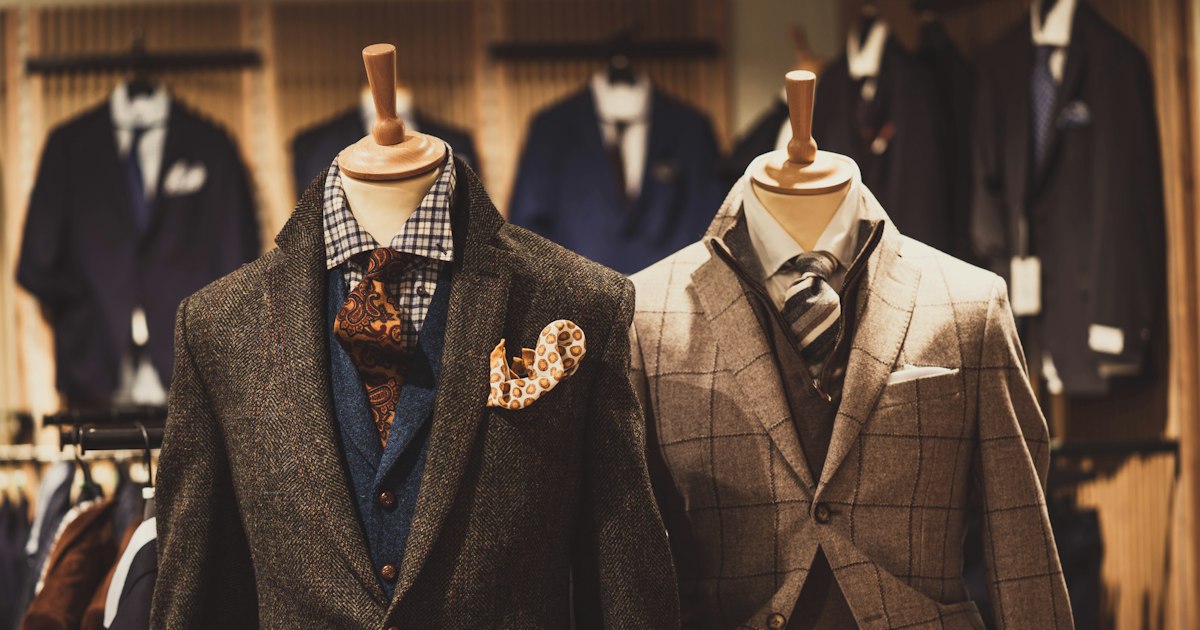
    Rental Formal Wear in Japan: Where Travelers Can Rent a Suit or Dress for a Wedding or Event

    Photo by Alexander Naglestad on Unsplash

    Getting invited to a Japanese wedding, a formal dinner, or a business reception while traveling light is a wonderful problem to have — and a logistical headache. Japanese weddings in particular run on strict dress codes, and showing up in whatever you packed for sightseeing won’t cut it. The good news is that Japan has a mature, well-organized rental industry for exactly this situation, built originally for locals who don’t want to own a tuxedo they’ll wear twice a decade. Here’s how to use it as a visitor.

    Why Travelers End Up Renting Formal Wear in Japan

    The most common scenario is a wedding invitation that arrives mid-trip, or a work meeting that turns out to require a suit you didn’t pack. Japanese wedding etiquette is unusually specific: male guests typically wear a black or dark suit with a white tie, women avoid all-white outfits (reserved for the bride) and overly flashy colors, and both avoid showing too much skin. Funerals have their own strict all-black dress code, right down to accessories. Because locals face the same packing problem, rental shops near train stations and inside department stores are set up to turn around a full outfit in a day or two — tourists can use the exact same system.

    Suit and Tuxedo Rental: Department Stores, Specialty Chains and Hotel Counters

    Large department stores such as Isetan, Takashimaya, and Daimaru have formal-wear floors that handle rental alongside sales, especially busy in the lead-up to spring graduation ceremonies (March) and wedding season. A full men’s rental set — jacket, trousers, dress shirt, tie, and sometimes shoes — typically runs ¥8,000 to ¥25,000 depending on brand and fabric quality; a tuxedo for a more formal evening event runs ¥15,000 to ¥40,000.

    If you’re attending a wedding at a hotel or dedicated wedding hall, check with the venue directly first. Japanese wedding venues are used to guests who forgot or don’t own appropriate attire, and many operate an in-house guest rental counter (sometimes called ゲストドレスレンタル or ゲスト衣装) where you can rent on the day of the event for roughly ¥5,000–¥15,000. This is the least planning-intensive option if you’re short on time, since you don’t need to travel anywhere extra.

    Dress Rental: Online Services and In-Store Boutiques

    For women’s formal dresses, online rental platforms are often more practical than hunting for a physical shop. Services like Cariru let you browse photographed stock online, select a dress with matching bag and accessories, and have the full set shipped to your hotel before the event — then mail it back afterward using the included return packaging. Expect ¥4,000–¥20,000 for the dress depending on formality, with small accessory add-ons (clutch, jewelry, shawl) running an extra ¥1,000–¥5,000. Delivery usually needs at least a few days’ lead time, so this isn’t a same-day fix, but it saves you from shop-hopping with limited Japanese.

    In-store dress rental boutiques also cluster around Ginza, Shibuya, and major station buildings, and these can sometimes fit you same-day if stock allows — useful if your event is tomorrow and shipping won’t arrive in time.

    Sizing, Pricing and What’s Included

    This is where most visitors get caught out. Japanese formal-wear sizing runs smaller on average than US or European standards, and stock in larger sizes (XL/XXL for suits, larger dress sizes, and men’s shoes above roughly 28cm) is limited, especially at smaller shops. Online rental sites are actually helpful here because they list exact measurements (chest, waist, sleeve, shoulder) rather than just a size letter — measure yourself before browsing so you can match against real numbers instead of guessing.

    Always confirm exactly what’s bundled in the rental price. A “full set” at one shop might include shoes and a bag; at another it might be just the jacket and trousers with everything else rented separately. Ask specifically about shoes, ties/pocket squares, undergarments, and bags, since these add-ons can meaningfully change the total cost.

    Best Timing and How Far Ahead to Book

    Book 3–7 days ahead when possible. Two periods strain rental stock the most: March, when Japanese companies and schools hold graduation and new-hire ceremonies and suit rental shops are booked solid with locals, and the spring (March–May) and autumn (September–November) wedding seasons, when dress and suit availability in popular sizes thins out fast. If your trip overlaps with either window, reserve as soon as you know you’ll need an outfit rather than waiting until you arrive in Japan.

    Pickup and return windows are usually generous but not infinite — in-store rentals are typically collected a day or two before the event and returned within a day or two after, while mail-order rentals give you a defined return-by date printed with your shipment. Late returns carry daily late fees, so build the return trip into your travel plans, particularly if the event falls near the end of your trip.

    Common Mistakes to Avoid

    • Assuming same-day availability: popular sizes and styles get reserved by locals well in advance, especially in March and during wedding season.
    • Not checking size charts: go by measurements, not size labels, since Japanese sizing runs smaller than you may expect.
    • Skipping the venue’s own rental counter: if you’re attending a wedding at a hotel, ask the venue before booking elsewhere — it’s often the fastest, lowest-effort option.
    • Underestimating funeral dress codes: Japanese funeral attire is fully black (no patterns, minimal jewelry), stricter than typical Western “formal black,” so mention the occasion type when renting so staff can point you to the right outfit.
    • Forgetting return logistics: losing track of the return-by date, especially with mail-order rentals, results in late fees charged to your payment method.

    Japan’s Broader Rental Culture

    Renting rather than buying is a bigger theme in Japan than just formal wear — it’s a country where short-term rental is normalized for all kinds of gear travelers might otherwise pack or buy outright. The same logic that makes tuxedo and dress rental convenient applies to renting ski and snowboard gear near resort towns, renting an EV for a road trip, or even sorting out helmet requirements when renting a bicycle. If your trip happens to land around Halloween instead of a wedding, the costume-shop scene covered in our guide to Halloween in Japan runs on a similar rent-rather-than-buy setup. Whatever the occasion, it’s worth checking whether Japan already has a rental system built for it before you pack extra luggage from home.

  • Buying Officially Licensed Sports Jerseys & Merch in Japan: NPB Baseball and J-League Team Shops

    Buying Officially Licensed Sports Jerseys & Merch in Japan: NPB Baseball and J-League Team Shops

    Photo by Namito Yokota on Unsplash

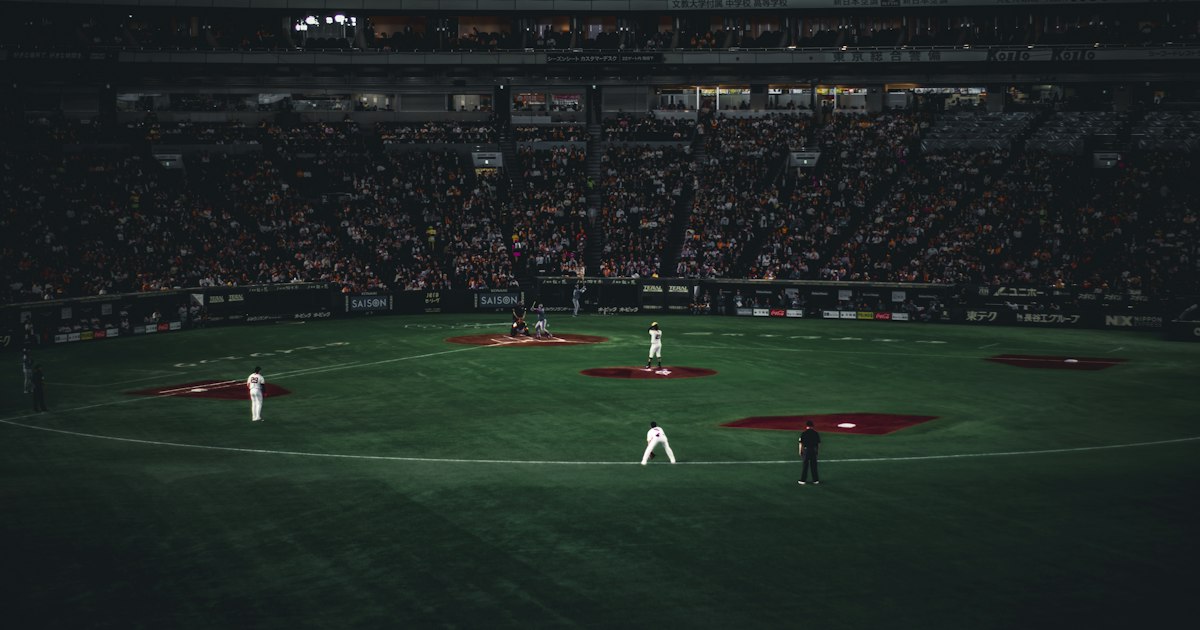
    Japanese baseball and football fans are serious about their merch, and that works in a visitor’s favor: every NPB and J-League club runs at least one well-stocked official shop selling jerseys, caps, towels, and seasonal collaborations you won’t find anywhere outside Japan. Unlike a lot of souvenir shopping here, this is one category where buying the real thing, in person, at the source, is almost always better than ordering online — fit, authenticity, and selection are all better when you walk into the team shop yourself.

    Why Buy at the Team Shop Instead of Online

    NPB and J-League clubs restrict a lot of their best merchandise — current-season replica jerseys, player-specific name plates, limited run collaborations with brands like Mizuno or Descente — to team-operated shops and official stadium pop-ups. Rakuten and Amazon Japan carry some of it, but sizes sell out fast on game days and resellers mark up anything with a popular player’s name. Shopping in person also means you can try before you buy, which matters because Japanese jersey sizing runs noticeably smaller than US or European standards.

    NPB Baseball: Where to Find the Big Team Shops

    Each of Japan’s twelve NPB teams has a dedicated shop, usually inside or next to its home stadium, plus a few satellite locations in department stores.

    • Yomiuri Giants – The main shop is at Tokyo Dome itself, on the stadium’s ground level, open roughly 10:00–19:00 on non-game days and later on game days. It’s a five-minute walk from Suidobashi or Korakuen stations. This is the biggest NPB team shop in the country and stocks the full current roster of name-and-number jerseys.
    • Hanshin Tigers – The flagship shop sits at Koshien Stadium in Nishinomiya, between Osaka and Kobe. If you’re already planning to see a game or catch the high school tournament covered in Koshien: Japan’s Beloved High School Baseball Tournament and How to Watch It, build in 20–30 minutes here — Tigers gear (black and yellow stripes) is some of the most recognizable in Japanese baseball and sells well even to people who’ve never watched a game.
    • Fukuoka SoftBank Hawks – The team shop is inside and around PayPay Dome (also called Fukuoka Dome) in Fukuoka. Since Fukuoka Airport is one of the easiest airports in Japan to reach from downtown, Hawks gear makes a convenient last-day purchase if you’re flying out of Fukuoka.
    • Tohoku Rakuten Golden Eagles – Shop is at Rakuten Seimei Park Miyagi in Sendai, worth a stop if you’re doing a Tohoku leg of your trip.

    Most NPB team shops are open daily except occasional maintenance closures, roughly 10:00–18:00, with extended hours on game days continuing into the evening.

    J-League: Club Shops Outside the Big Cities

    J-League club shops tend to be smaller and more locally run than NPB’s, but the merchandise is often more design-forward since several clubs collaborate with Japanese streetwear and sportswear labels.

    • Urawa Red Diamonds – Shop at Saitama Stadium 2002, with a smaller satellite store near Urawa Station. Reds have one of the most devoted fan bases in the league, and their red-and-white kit is a strong seller.
    • Kashima Antlers – Shop at Kashima Soccer Stadium in Ibaraki Prefecture, about 90 minutes from Tokyo by highway bus. Antlers are Japan’s most decorated J-League club historically, so vintage-style reissue jerseys show up here more than at most clubs.
    • FC Tokyo and Tokyo Verdy – Both share Ajinomoto Stadium in Chofu, western Tokyo, with separate team shops operating on matchdays and smaller permanent shops nearby.

    Many J-League clubs also sell through official shops inside major train stations in their home city — worth checking before trekking out to the stadium itself if you’re short on time.

    What You’ll Actually Pay

    Prices are consistent across NPB and J-League:

    • Replica jersey (blank, no name/number): ¥9,000–¥12,000
    • Replica jersey with player name and number printed: ¥13,000–¥16,000
    • Authentic/player-issue jersey: ¥20,000–¥28,000
    • Cap: ¥4,000–¥6,000
    • Team towel or tenugui: ¥1,500–¥3,000
    • Kids’ sizes: ¥6,000–¥9,000

    Most team shops accept major credit cards and IC cards (Suica/Pasmo), but a handful of smaller stadium kiosks and matchday pop-up stalls are cash-only. It’s worth carrying some yen as backup — a 7-Bank ATM at a 7-Eleven near the stadium is the easiest way to top up, and for the card purchases, a card with no foreign transaction fee (see Best No-Foreign-Transaction-Fee Credit Cards to Bring on a Japan Trip) saves a bit on every swipe.

    Best Time to Shop

    NPB’s season runs late March through October, with Climax Series and the Japan Series in October/November — stadium shops are liveliest and best stocked during this window. New season uniforms are typically unveiled in December and go on sale in January, so if you’re visiting in winter, you can sometimes grab next season’s design before the home crowd does. J-League runs roughly February to December, with a similar pattern: new kits drop ahead of the February season opener.

    If you want atmosphere along with your shopping, go on a game day — shops stay open later and often run exclusive game-day-only items (commemorative towels for milestone games, anniversary jerseys), but expect queues at the register in the 1–2 hours before first pitch or kickoff.

    Common Mistakes to Avoid

    • Assuming your home size. Japanese “L” often fits like a US/EU medium. Try it on if the shop has a fitting area, or check the printed chest-width measurements on the tag rather than trusting the letter size.
    • Buying from street vendors near the stadium. Unlicensed knockoffs with slightly-off logos circulate outside some stadiums on game days. Stick to the shop inside the gates or the official team store.
    • Expecting every size in stock. Popular players’ jerseys in common sizes (M, L) sell out first, especially right after a big game or award announcement. If you have a specific player and size in mind, go early in your trip rather than saving it for the last day.
    • Forgetting customs duty-free isn’t automatic here. Team shops are not tax-free shops in the way department stores are, so don’t expect the 10% consumption tax to be waived at the register.

    Budget, Mid-Range, and Splurge Picks

    • Budget (~¥1,500–¥3,000): A team towel, keychain, or tenugui — small, packable, and still clearly branded.
    • Mid-range (~¥9,000–¥13,000): A blank replica jersey or a cap — the most practical souvenir for actually wearing back home.
    • Splurge (~¥20,000+): An authentic player-issue jersey, especially for a star player on a team like the Giants, Tigers, or Urawa Reds — these hold resale value if the player has a big career moment later.

    Whichever team you follow, the shop is usually worth the short detour even on a non-game day — it’s one of the few souvenirs from a Japan trip that doubles as something you’ll actually wear.

  • Kuru Toga: Japan’s Cult Self-Rotating Mechanical Pencil and Other Stationery Obsessions

    Kuru Toga: Japan’s Cult Self-Rotating Mechanical Pencil and Other Stationery Obsessions

    Photo by Vinicius Brasil on Unsplash

    Japan takes stationery more seriously than almost any country on earth, and nowhere is that clearer than in the quiet cult following of the Kuru Toga, a mechanical pencil that rotates its own lead as you write so the tip never wears down into a lopsided wedge. It sounds like a minor engineering flourish. In practice, it’s turned a 100-yen category of object into a genre of obsessive design, with entire multi-floor stores in Tokyo and Osaka dedicated to pens, pencils, tape, and paper that foreign visitors often end up loving more than the souvenirs they planned to buy.

    What Makes the Kuru Toga Different

    A normal mechanical pencil writes with the same flat edge of lead every time, which is why your “0.5mm” line slowly turns into a “0.8mm” smear as you write a page of notes. Mitsubishi Pencil’s Kuru Toga (by Uni) solves this with an internal clutch mechanism that rotates the lead a few degrees every time you lift the pencil off the page, so it’s constantly re-sharpening itself into a fine point. The name literally means “spin” (kuru) “corner” (toga) in playful onomatopoeia.

    The original Kuru Toga, launched in 2008, runs about ¥300–¥500 depending on the model and barrel design. The upgraded “Kuru Toga Dive” (the lead retracts into the tip when you press down, which protects it from snapping) is roughly ¥500–¥700. The high-end “Kuru Toga Advance,” with a twin-pipe stabilizer for finer lines, runs ¥1,000–¥1,500. All take standard 0.3mm, 0.5mm, or 0.7mm lead refills sold everywhere, so there’s no awkward proprietary-cartridge trap waiting for you back home.

    Where to Buy: Flagship Stationery Stores

    You don’t need to hunt — Japan’s stationery culture is concentrated in a handful of destination stores that stock Kuru Toga alongside hundreds of other cult items:

    • Itoya Ginza (Tokyo) — 12 floors near Ginza Station, open 10:00–20:00 daily. This is the closest thing Japan has to a stationery department store, with an entire floor devoted to pens and writing instruments and staff who will let you test nibs before buying.
    • Sekaido Shinjuku (Tokyo) — a sprawling, slightly chaotic multi-floor shop near Shinjuku Station East Exit, open 10:00–20:30, known for deep discounts on everyday brands like Kuru Toga, Frixion, and Hi-Tec-C.
    • Loft and Tokyu Hands branches nationwide — found in nearly every major shopping district (Shibuya, Umeda, Sapporo, Fukuoka), these are reliable one-stop shops if you don’t have time for a dedicated pilgrimage.
    • Kingdom Note and Maruzen — smaller specialist chains, particularly good for limited-edition barrel colors and collaboration prints that sell out at bigger stores.

    If you’re doing a wider electronics-and-hobby crawl, stationery floors are also tucked inside big department stores near Den Den Town or Akihabara, so it’s easy to fold a stationery stop into the same afternoon.

    Beyond Kuru Toga: Other Cult Stationery Worth Seeking Out

    Once you’re in a Japanese stationery store, the Kuru Toga is really just the entry point. A few other items consistently surprise first-time buyers:

    • Frixion erasable pens (Pilot) — gel ink that vanishes with friction heat, ¥150–¥300 each. Genuinely useful for planners and travel journals.
    • Hi-Tec-C and Juice Up gel pens — ultra-fine 0.3–0.4mm tips prized by people with small handwriting, ¥150–¥250.
    • Midori MD notebooks — minimalist, acid-free paper beloved by fountain pen users, ¥500–¥1,500 depending on size.
    • Traveler’s Company (formerly Midori) leather notebook covers — ¥5,000–¥12,000, a genuine splurge item and a popular refillable souvenir.
    • Kokuyo “Jump Rule” and Campus notebooks — unglamorous but beloved for paper quality; a pack of Campus notebooks is ¥150–¥300 and a favorite cheap gift for teachers or students back home.
    • Washi masking tape (mt brand) — ¥300–¥500 a roll, lightweight and flat-packable, a good low-cost souvenir for non-stationery people too.

    Budget, Mid-Range, and Splurge Picks

    If you only want to spend ¥1,000–¥2,000 total: grab two or three Kuru Toga standard models in different barrel colors (¥300–¥500 each) plus a pack of lead refills (¥150–¥200) — these alone make a better souvenir for students and office-worker friends than most keychains.

    For a ¥3,000–¥6,000 mid-range haul: add a Kuru Toga Dive, a few Hi-Tec-C gel pens, and a Midori MD notebook. This combination covers almost every writing preference and fits easily in a daypack.

    For a genuine splurge (¥10,000+): look at a Traveler’s Company leather cover system, a Pilot Custom 823 or Capless fountain pen (¥15,000–¥30,000), or limited-edition Kuru Toga collaborations (seasonal Ghibli, Sanrio, or anime tie-ins) which can resell for well above retail once discontinued.

    Common Mistakes Foreign Shoppers Make

    The biggest one is buying lead refills in the wrong diameter — Kuru Toga pencils are sold in 0.3mm, 0.5mm, and 0.7mm versions, and the barrel size is printed in small text near the clip, easy to miss. Check before you buy refills separately.

    Second, don’t assume duty-free or tax-free pricing applies to small stationery purchases — the 10% consumption tax exemption generally requires a single receipt over ¥5,000 at a store with tax-free counter service (common at Itoya and larger Loft/Tokyu Hands branches but not at small specialist shops), and you’ll need your passport at checkout.

    Third, many limited-edition barrel colors and collaboration prints are store-specific or event-exclusive, so if you see one you like, buy it on sight — it’s genuinely common for it to be gone from that location within weeks and never restocked.

    Timing Your Visit

    Stationery stores don’t have a “best season” the way cherry blossom or strawberry-picking trips do, since they’re indoor, year-round attractions — but two timing notes matter. New fiscal/school year season (late March into April) brings fresh limited-edition “new term” colorways and displays, since Japanese schools and companies both start their year in April. And late-year gift season (November–December) is when stores stock the widest range of boxed gift sets, useful if you’re buying for multiple people back home. Outside of those windows, weekday mornings right after opening are the quietest time to browse without crowds, especially at Itoya Ginza and Sekaido.

    However you plan your itinerary — whether it’s wedged between a day of electronics shopping or a quick stop on the way to catch a train through one of Japan’s underground station malls — a stationery stop rewards even fifteen minutes of browsing, and it’s one of the rare souvenir categories where the cheap option is often just as beloved as the expensive one.

  • Den Den Town vs Akihabara: Osaka’s Nipponbashi Electronics & Otaku District Explained

    Every Tokyo-bound otaku knows Akihabara, but Osaka has its own version — quieter, cheaper, and arguably more fun to dig through. Den Den Town (でんでんタウン), officially the Nipponbashi Nishi shopping district, runs along a few parallel streets south of Namba and packs in electronics shops, retro game stores, figure specialists, and manga dealers into a much smaller footprint than its Tokyo counterpart. If you’re building a Japan shopping itinerary and wondering whether it’s worth a detour from Dotonbori, here’s what actually sets it apart.

    What Den Den Town Actually Is

    The name is a nickname — “den den” plays on “denki” (electricity), since the district started as Osaka’s postwar electronics wholesale strip in the 1950s-60s, selling radios, appliances, and later computer parts. As big-box stores like Yodobashi Camera and Bic Camera took over the appliance trade in the 1990s and 2000s, many Den Den Town shopkeepers pivoted to what was actually still selling: anime goods, manga, trading cards, retro game cartridges, and figures. Today it’s a hybrid — a handful of surviving parts and PC shops mixed in with wall-to-wall otaku retail, concentrated mainly on Sakaisuji-dori and Shiomachi-dori between Nippombashi and Ebisucho stations.

    Den Den Town vs. Akihabara: The Real Differences

    Akihabara is bigger, busier, and more polished — multi-floor Mandarake and Yellow Submarine branches, idol cafes on every corner, and crowds that can feel overwhelming on a Saturday. Den Den Town is walkable in under an hour end to end, far less touristy, and leans harder into secondhand and retro stock. A few concrete differences:

    • Crowd level: Even on weekends, Den Den Town rarely feels packed. You can browse shelves without queuing.
    • Prices: Rent is lower than Akihabara, and that often shows up in secondhand game and figure pricing — it’s common to find the same used item 10-20% cheaper here.
    • Maid cafes and idol culture: Present but far smaller in number than Akihabara’s dense maid-cafe strip.
    • Electronics: Akihabara still has more surviving pure-electronics shops (cables, components, surplus parts); Den Den Town’s electronics side has shrunk further.
    • Vibe: Akihabara feels like a destination; Den Den Town feels like a neighborhood that happens to sell your favorite stuff.

    How to Get There

    From Osaka/Namba, take the Osaka Metro Sakaisuji Line or Sennichimae Line to Nippombashi Station, or the Sakaisuji Line one stop further to Ebisucho Station — both put you right in the district. From Namba Station it’s also a 10-12 minute walk south through the Nipponbashi Den Den Town arcade. If you’re coming from Shin-Osaka or Kansai Airport, connect via Namba first. There’s no single “Den Den Town” train station — the district is the streets themselves, so just aim for Nippombashi.

    What to Buy, by Budget

    Budget (under ¥3,000): Secondhand manga volumes run ¥100-¥500 at shops like the local Mandarake and Book Off outposts nearby. Loose trading cards, keychains, and gacha capsule toys are typically ¥200-¥500. Older retro cartridges (Famicom/Super Famicom commons) can be found from ¥500.

    Mid-range (¥3,000-¥15,000): Standard Gunpla and model kits from Bandai run ¥1,500-¥6,000 depending on grade — if you’re new to the hobby, it’s worth reading up on the broader plastic-model scene; our guide to Tamiya model kits and Japan’s plastic model hobby beyond Gunpla covers the tools and grades that apply here too, since several Den Den Town shops stock both Bandai and Tamiya lines side by side. Mass-produced anime figures (Nendoroid, Figma) sell new for roughly ¥5,000-¡10,000 and used for less.

    Splurge (¥15,000+): Limited-run scale figures, boxed vintage Famicom/PC Engine consoles in good condition, and rare first-print manga sets can run well into the tens of thousands of yen at specialist shops. If collectible items are more your interest than anime goods specifically, it’s worth knowing Japan also has a serious coin and stamp collecting scene — see our guide on where numismatists can shop in Japan for dealer etiquette that largely transfers to how Den Den Town’s specialist shops operate too.

    Opening Hours and Best Timing

    Most shops open around 11:00-12:00 and close between 19:00 and 20:00. A significant number of smaller, family-run shops close on Wednesdays — this is the single most common reason visitors show up to a shuttered storefront, so if Wednesday is your only free day, call ahead or check the shop’s social media first. Weekday afternoons (Tuesday through Friday) are the quietest time to browse without crowds. If you want to see the district at its liveliest, the Nipponbashi Street Festa cosplay event takes place on a Sunday in March each year, closing streets to traffic for cosplay parades — fun to watch, but not the day for serious shopping since aisles fill up fast.

    Common Mistakes to Avoid

    • Expecting Akihabara’s scale. Den Den Town is maybe a fifth of the size. Budget 2-3 hours, not a full day, unless you’re a dedicated retro game hunter.
    • Assuming every shop takes cards. Many smaller secondhand shops are cash-only or have a minimum card purchase amount. Carry cash.
    • Forgetting your passport for tax-free shopping. Larger shops offer 10% tax exemption on purchases over ¥5,000 (before tax) per receipt for foreign tourists, but you must show your passport at checkout — it can’t be processed after the fact.
    • Not checking console regions before buying retro games. Japanese Famicom/Super Famicom hardware and carts are region-locked differently from Western NES/SNES equipment — confirm compatibility before buying hardware to bring home.
    • Treating it as a standalone trip. Den Den Town pairs naturally with Namba and Dotonbori, both a short walk away, so fold it into a half-day Osaka itinerary rather than a dedicated outing.

    Pairing It With the Rest of Your Osaka Day

    Since you’re already south of the river, it’s easy to combine Den Den Town with other Osaka staples. Food-themed attractions are close by too — the Cup Noodles Museum in Osaka makes a fun stop if you’re traveling with kids or just want a hands-on souvenir-making break between shopping stretches. Whichever route you take, Den Den Town rewards patience and a willingness to dig through bins rather than browse glossy displays — that’s exactly why collectors keep coming back.

  • Ekinaka Shopping: Inside Japan’s Underground Station Malls (Gransta, Echika & Kitte)

    Ekinaka Shopping: Inside Japan’s Underground Station Malls (Gransta, Echika & Kitte)

    Photo by BREAKIFY on Unsplash

    If you’ve ever had a tight connection at Tokyo Station and wandered through what felt like an entire underground city of bakeries, bento counters, and gift shops, you’ve already met ekinaka — Japan’s “inside the station” shopping malls. These aren’t a few vending machines and a newsstand. They’re dense, multi-level retail districts built directly into (or beside) train stations, and for visitors they’re one of the most time-efficient ways to shop in Japan: no extra trip required, because you’re already there. This guide covers the three names you’ll see most — Gransta, Echika, and Kitte — and how to use them well.

    What Is Ekinaka, Exactly?

    Ekinaka (駅中/駅ナカ) literally means “inside the station.” Japanese railway operators realized decades ago that commuters passing through stations twice a day were a captive, repeat audience, so they built proper shopping arcades into the concourses, basements, and platform levels of major stations rather than leaving that space to kiosks. JR East runs the “Gransta” brand at Tokyo Station and a few other hubs; Tokyo Metro and Tokyu run “Echika” locations at subway stations; and “Kitte” is a standalone commercial building attached to Tokyo Station (with a second location at Hakata Station in Fukuoka). Unlike a roadside mall, everything here is designed around people who have luggage, a train to catch, and limited time — which makes it genuinely convenient once you know the layout.

    Gransta Tokyo: The Underground Shopping City Beneath Tokyo Station

    Gransta is JR East’s shopping network inside and around Tokyo Station, split across a few zones: Gransta Tokyo (inside the ticket gates, closest to the shinkansen platforms), and Gransta Yaesu and Gransta Marunouchi (outside the gates, so you don’t need a train ticket to enter). Combined, there are well over 150 shops and restaurants across basement levels.

    • What’s there: ekiben (train bento boxes, roughly ¥900–¥1,800), a dedicated ramen alley with half a dozen well-known regional shops, a sweets/omiyage section selling boxed Tokyo Banana-style gift cakes (around ¥1,000–¥1,500 for an 8-piece box), and a character-goods street for Studio Ghibli, Rilakkuma, and similar brands.
    • Hours: most shops run roughly 8:00–21:00 or 22:00; restaurants often stay open until 22:00–23:00. Hours vary by individual shop, so don’t assume everything closes at the same time.
    • Getting there: Tokyo Station, JR lines, Yaesu or Marunouchi side depending on the zone. Gransta Tokyo requires a valid ticket or IC card tap-in since it’s inside the gates.

    If you’re buying ekiben to eat on a shinkansen, the busiest counters sell out of popular boxes by early afternoon — shop before 11:30 if you want first pick, especially around lunch rush or on weekends and holiday travel days.

    Kitte: Shopping Inside a Converted Post Office

    Kitte occupies the old Tokyo Central Post Office building directly beside Tokyo Station’s Marunouchi South Exit, connected by an underground passage so you can reach it without going outside. The building itself is worth a look — the Art Deco frame was preserved and the interior rebuilt around a dramatic atrium.

    • What’s there: around 100 shops and restaurants, leaning toward design-forward Japanese brands, stationery, and regional specialty foods, plus a free rooftop garden (KITTE Garden) with one of the best street-level views of Tokyo Station’s red-brick Marunouchi facade.
    • Hours: shops roughly 11:00–21:00 (11:00–20:00 on Sundays/holidays); restaurant floors stay open later, often to 22:00–23:00.
    • Getting there: Tokyo Station Marunouchi South Exit, or a short walk from Yurakucho Station.

    Kitte opens noticeably later than Gransta (11:00 vs. 8:00), so it’s a poor choice for an early-morning errand before a train but a good option for an evening browse after sightseeing, since it’s less train-rush chaotic than the station concourse itself. There’s a sister location, Kitte Hakata, attached to Hakata Station in Fukuoka if you’re shopping your way through Kyushu.

    Echika: Boutique Shopping on the Metro Platform Level

    Echika is a smaller, more boutique format found at subway stations rather than mainline terminals — the best known is Echika Omotesando, built into the Chiyoda Line concourse at Omotesando Station, with a sister branch (Echika fit) at Ikebukuro. These are compact (a few dozen shops), skew toward cosmetics, bakeries, and sweets, and are aimed squarely at commuters grabbing something on the way home.

    • What’s there: beauty and skincare counters, artisan bread and pastry shops, small home-goods stalls. Expect ¥500–¥3,000 for most single purchases.
    • Hours: roughly 11:00–21:00 for shops, with some bakeries and cafes open earlier or later.
    • Getting there: Tokyo Metro Chiyoda Line, Omotesando Station (Echika Omotesando is literally on the platform concourse, no need to exit through the gates to browse the ticketed side).

    Because Echika locations are small, they’re easy to combine with a day of shopping in Omotesando or Harajuku above ground — duck down for a coffee or a skincare item between stores rather than treating it as a destination on its own.

    Best Times to Visit and How to Avoid the Crowds

    Ekinaka malls are busiest exactly when you’d expect: weekday morning (7:30–9:00) and evening (17:30–19:30) commuter rushes, plus any time near shinkansen departures at Tokyo Station during holiday travel weeks (New Year, Golden Week in late April–early May, and mid-August Obon). If you want to browse rather than fight crowds, aim for a weekday mid-morning (10:00–11:30) or mid-afternoon (14:00–16:00). For buying ekiben or omiyage specifically, arriving 30–45 minutes before your train — not 5 minutes before — gives you time to compare and avoids the scramble when a shinkansen departure clears out a whole platform’s worth of shoppers at once.

    Common Mistakes to Avoid

    • Shopping with a full-size suitcase during rush hour. Gransta’s aisles get genuinely narrow at peak times; if you’re dragging luggage, use a coin locker (around ¥500–¥700) near the entrance first.
    • Assuming every stall takes cards. Many small ekiben and sweets counters are cash-only or IC-card-only (Suica/Pasmo); carry some cash as backup.
    • Confusing “inside the gates” with “outside the gates.” Gransta Tokyo requires a ticket or tapped-in IC card to enter; Gransta Yaesu and Marunouchi don’t. If you only want to browse without traveling, stick to the outside-gate zones.
    • Leaving it too late. Popular ekiben and limited-run sweets do sell out, especially on weekends — this isn’t a 24-hour convenience store.

    Budget, Mid-Range, and Splurge Picks

    For a quick, cheap souvenir run, a single boxed sweet (¥1,000–¥1,500) or a character-goods keychain (¥500–¥1,000) from Gransta covers it. Mid-range shoppers should budget ¥2,000–¥4,000 for a proper ekiben-plus-snacks combo to eat on the train, or a skincare item from Echika. If you want to splurge, Kitte’s specialty-food floor carries regional delicacies and craft goods in the ¥5,000+ range that make better gifts than anything at the airport — and if you’re flying out of Tokyo, it’s worth comparing against the last-minute options at Haneda Airport Terminal 3, since station prices are often better than airport prices for the same items. If ramen-alley lines at Gransta are long, it’s worth knowing how reservation and queue etiquette works more broadly — see our guide to restaurant reservations in Japan. And if you’re near Kansai Airport before or after your trip, Rinku Premium Outlets is a good non-station shopping stop to pair with a layover.

    Ekinaka malls won’t replace a dedicated shopping day in Shibuya or Ginza, but for turning dead time between trains into something useful, they’re hard to beat — just go in knowing the hours, the gate rules, and that the good ekiben sell out early.

  • Rinku Premium Outlets: Osaka’s Airport-Adjacent Outlet Mall Worth a Layover Stop

    If you’ve got a long layover at Kansai International Airport (KIX) or a free afternoon before an evening flight, Rinku Premium Outlets is one of the few genuinely worthwhile ways to spend it. It sits almost directly across the bay from the airport, holds around 230 stores spanning international luxury names and Japanese domestic brands, and can be done as a round trip in under three hours if you move with intent. This guide covers exactly how to get there, what to expect once you’re inside, and the mistakes that turn a clever layover plan into a missed flight.

    Getting There: One Stop from the Airport

    Rinku Premium Outlets is in Rinku Town, Izumisano City, just one train stop from Kansai Airport Station. From the airport, take either the JR Kansai Airport Line or the Nankai Main Line to Rinku Town Station — the ride takes about 5 minutes and costs a few hundred yen. From Rinku Town Station, the outlet mall is connected by a covered pedestrian bridge (skywalk), so it’s roughly a 5–7 minute walk, no shuttle bus required and no issue if it’s raining.

    Coming from central Osaka, Nankai’s limited express Rapi:t from Namba takes about 35–40 minutes direct to Kansai Airport Station (one stop short of where you’d get off — check whether your train stops at Rinku Town, or ride to the airport and backtrack one stop). Regular rapid and express trains from Namba take closer to 45–55 minutes and cost less. If you’re hunting for cheaper fares on these routes, it’s worth checking discount ticket shops before buying full-price tickets at the station.

    What’s Inside: Two Zones, Hundreds of Stores

    The mall is split into two connected sections — the Sea Zone and the Mountain Zone — built around a New England coastal-town theme, complete with a lighthouse-style landmark tower that’s become the spot’s unofficial photo op. Between the two zones you’ll find outlet locations for Coach, Kate Spade New York, Tumi, Samsonite, Ralph Lauren, Tommy Hilfiger, Nike, adidas, New Balance, Under Armour, Timberland, The North Face, and Levi’s, alongside a strong lineup of Japanese labels and sportswear brands you won’t necessarily find at home. Discounts typically run 20–70% off original retail, with the deepest cuts on past-season stock.

    There’s also a food court and several standalone restaurants, so you don’t need to rush back to the airport to eat. If outlet shopping isn’t quite your speed, or you want a comparison point for everyday Japanese retail, AEON Mall locations offer a very different, more local shopping experience elsewhere in the country.

    Opening Hours and Tax-Free Shopping

    Rinku Premium Outlets is generally open 10:00 AM to 8:00 PM daily, year-round, with only the occasional irregular closure — it’s worth a quick check of the mall’s own site if your trip falls on a major holiday. Most stores offer tax-free shopping for international visitors spending ¥5,000 or more (combined general goods and consumables) at a single store in one day — bring your passport, as staff need to scan it to process the exemption. Not every tenant participates, so ask before you commit to a purchase if the tax-free discount is part of your calculation.

    Coin lockers are available near the entrances for ¥300–¥800 depending on size, useful if you’re shopping before a flight and don’t want to lug bags around. If you’re arriving from the airport with a connecting international flight still ahead of you, many KIX departure-side services also offer short-term baggage storage — worth checking before you leave the terminal.

    Best Time to Visit

    Weekday mornings, right after opening, are by far the calmest time to shop — the mall gets noticeably busier by early afternoon, especially on weekends and Japanese holidays when it draws day-trippers from Osaka and Kobe in addition to airport traffic. Seasonal sale periods (roughly early July and early January) stack additional markdowns on top of regular outlet prices, which is great for bargains but means bigger crowds and longer fitting-room lines. Summers are hot and humid with a fair amount of walking between zones, so budget extra time and hydration breaks if you’re visiting July through September.

    Budget, Mid-Range, and Splurge Picks

    On a tight budget, the sportswear and outdoor outlets (Nike, adidas, New Balance, The North Face) tend to have the most consistent deep discounts on basics like sneakers and layers — easy wins if you need to replace something that broke mid-trip. Mid-range shoppers do well at the bag and accessory outlets like Coach, Kate Spade, and Tumi, where last-season styles often run 40–50% below department store pricing. If you’re ready to splurge, the luxury outlets occasionally carry discontinued colorways or sizes from major fashion houses that simply don’t show up in regular retail stores — it’s a lottery, but the payoff can be significant.

    Common Mistakes to Avoid

    • Treating it as a quick connection stop. Between the train ride, the walk, security re-screening, and immigration on the way back, plan for a layover of at least 5–6 hours if you intend to shop here and still make an international flight comfortably.
    • Forgetting your passport. No passport, no tax-free discount — and many travelers leave it in checked luggage or a hotel safe by mistake.
    • Buying more than your luggage allowance allows. Outlet prices make it tempting to overbuy, but checking in extra bags or exceeding weight limits gets expensive fast — it’s worth reviewing ANA and JAL’s excess baggage fees before you shop so you know your real budget.
    • Underestimating the walk between zones. The Sea Zone and Mountain Zone together cover real ground — comfortable shoes matter more than usual here.
    • Assuming every store takes tax-free purchases or foreign cards. Some smaller tenants are cash-only or don’t process the exemption; check before you’re at the register with a full basket.

    Used well, Rinku Premium Outlets turns dead layover time into one of the more efficient shopping stops in the Kansai region — close enough to the airport that it barely eats into your travel day, with enough variety that both bargain hunters and label-focused shoppers walk away satisfied.

  • AEON Mall: Japan’s Suburban Shopping Malls and What Tourists Can Find

    If you’ve ever glimpsed a vast, glass-fronted building surrounded by parking lots on the edge of a Japanese city and wondered what it was, there’s a good chance it was an AEON Mall. With well over 150 locations nationwide, AEON Mall is Japan’s largest mall operator, and while it rarely makes it onto “must-see Tokyo” lists, it’s one of the most useful stops for travelers who want everyday Japanese shopping — clothing, groceries, 100-yen goods, drugstores, and food courts — all under one roof, often for far less than department store or Harajuku prices.

    What Is AEON Mall, Exactly?

    AEON is a Japanese retail conglomerate that runs supermarkets, drugstores, and the AEON Mall chain of large regional shopping centers. Unlike boutique-filled urban complexes, AEON Malls are built for local families doing weekly shopping: anchored by an AEON supermarket or general merchandise store, surrounded by 100+ specialty tenants, a food court, a cinema, and usually a huge parking structure. They sit on the outskirts of cities and towns rather than in city centers, which is exactly why they’re worth knowing about — they show you how ordinary Japanese people actually shop, away from the tourist markup.

    What You’ll Actually Find Inside

    A typical AEON Mall layout includes:

    • Fashion: Uniqlo and GU for basics (t-shirts from around ¥990, outerwear ¥2,990–¥6,990), plus ABC-Mart for shoes and various mid-range Japanese casual brands.
    • 100-yen shops: Daiso or Seria, with nearly everything priced at ¥110 tax-included — great for snacks, stationery, and cheap souvenirs.
    • Drugstores: Welcia, Tsuruha, or similar chains stocking Japanese skincare and OTC medicine at lower prices than station-front tourist drugstores. If you’re restocking cleansing oil, this is a cheaper spot than Shibuya; see our guide to DHC & Fancl cleansing oil for what to look for.
    • Import and specialty grocers: Many AEON Malls host a Kaldi Coffee Farm outlet, useful for coffee beans and imported snacks to bring home.
    • Electronics: Larger malls sometimes include a branch of Yamada Denki or Edion, handy if you need a cheap adapter, SD card, or small appliance without trekking to Akihabara.
    • Food: A food court with ramen, takoyaki, and bento counters (meals roughly ¥500–¥900), plus sit-down chains in or near the mall such as Saizeriya for cheap Italian-style family dining or CoCo Ichibanya if you want to customize a curry.
    • Entertainment: An AEON Cinema, arcade, and sometimes a Round1 or bowling alley, useful on a rainy afternoon.

    Getting There: Access and Shuttle Buses

    Because these malls sit outside city centers, almost every AEON Mall runs a free shuttle bus from the nearest major train station — check the mall’s official access page (available in Japanese, sometimes English) for the current timetable, since schedules can be infrequent (every 20–40 minutes) and thin out on weekday mornings. A few are genuinely convenient without a shuttle: AEON Mall Narita is a short bus ride from Narita Station, making it a practical last stop before a flight if you still need to burn through cash on souvenirs, and AEON Mall Kyoto is connected to Kyoto Station by an underground passage on the west side, so no transfer is needed at all. If you’re coming from further afield, pair a mall stop with regional rail travel — for example, those exploring the Hakone area via the Odakyu Romancecar will pass through towns with their own AEON locations worth a quick detour.

    Hours, Timing, and When to Avoid the Crowds

    Specialty stores typically open around 10:00 and close between 21:00 and 22:00; the AEON supermarket wing and food court often stay open later, sometimes until 23:00. Weekday mornings right after opening are the quietest time to visit. Weekends, national holidays, and especially Golden Week (late April–early May), Obon (mid-August), and the New Year’s shopping period get genuinely packed — parking lots fill up and shuttle buses run standing-room only. If your schedule allows it, a weekday visit between 10:00 and noon gives you the calmest browsing and shortest food court lines. Early January and early August are also when many malls run seasonal clearance sales (hatsuuri and summer bargains), which can mean steep discounts but heavier crowds in the fashion sections.

    Tax-Free Shopping at AEON Mall

    Many larger AEON Malls operate a central Tax-Free Counter (usually near the information desk) that processes duty-free paperwork for participating tenants inside the same building — you shop as normal, keep your receipts, then bring your passport and purchases to the counter to get the consumption tax refunded or deducted. The general rule nationwide is a combined minimum of around ¥5,000 (tax-included) in eligible purchases per store, per day, with your passport required at checkout or at the counter. Not every tenant participates, so if tax-free shopping matters to you, ask at the information desk which stores are covered before you start buying.

    Common Mistakes Tourists Make

    • Confusing “AEON Mall” with “AEON” the supermarket: a standalone AEON supermarket is just groceries; the Mall is the full shopping complex, and they’re not always in the same building.
    • Assuming it closes late like a convenience store or Don Quijote: most specialty shops shut by 21:00–22:00, so don’t plan a post-dinner shopping run.
    • Missing the last shuttle bus back: these run on a fixed, often sparse schedule — check the return time before you start browsing, not after.
    • Expecting English signage or widespread currency exchange: AEON Mall is built for domestic shoppers; signage is mostly Japanese, and card payment is standard but cash exchange counters are rare.
    • Forgetting your phone charger: with a full day of browsing and photos, battery drains fast — some malls have ChargeSPOT rental stations near the entrance if you need a quick top-up.

    Budget, Mid-Range, and Splurge Picks

    Budget: Daiso for ¥110 souvenirs, GU for basic clothing, and the food court for a filling meal under ¥800.

    Mid-range: Uniqlo for quality basics (¥1,000–¥5,000 per item), ABC-Mart for Japanese-market sneakers, and a sit-down meal at Saizeriya or CoCo Ichibanya for ¥800–¥1,500.

    Splurge: A full electronics purchase at Yamada Denki or Edion — cameras, rice cookers, or appliances with export-friendly voltage options — plus a movie at the AEON Cinema if you want a genuinely local afternoon out.

    AEON Mall won’t replace a day in Ginza or Shinsaibashi, but as a one-stop errand run, a rainy-day backup plan, or a glimpse of how Japanese suburban life actually works, it’s one of the most practically useful stops you can add to an itinerary.

  • Kaldi Coffee Farm: Japan’s Import Grocery Chain and What to Buy

    If you’ve wandered past a Japanese train station and caught a whiff of roasting coffee drifting out onto the street, you’ve probably found a Kaldi Coffee Farm. It’s not a farm, and the coffee is only part of the story — Kaldi is Japan’s biggest import grocery chain, a place where travelers can pick up affordable souvenirs, specialty ingredients, and snacks you won’t find in a convenience store or department store basement. Here’s how to shop it well.

    What Is Kaldi Coffee Farm?

    Kaldi Coffee Farm (カルディコーヒーファーム) is operated by Kyoeishoji and has grown to roughly 500 stores across Japan since the 1970s. The chain started as a coffee roaster and still sells whole-bean and drip coffee as its core product, but most locations have expanded into full import grocery shops: imported chocolate, cheese, wine, spices, pasta, curry pastes, dried fruit, and a rotating cast of snacks from Europe, Southeast Asia, and the Americas. Think of it as Japan’s answer to a Trader Joe’s crossed with a specialty coffee roaster — small footprint, dense shelves, and prices aimed at everyday shoppers rather than luxury gift buyers.

    Where to Find a Store

    Kaldi stores are everywhere once you start looking — inside train station shopping arcades (especially JR and private-rail stations), on the ground floor of shopping malls, and along shopping streets in mid-size cities. Dense areas for tourists include Shinjuku, Ikebukuro, Shibuya, and Kichijoji in Tokyo, plus most major stations in Osaka, Kyoto, Nagoya, and Fukuoka. Most branches are compact (one-room shops, often under 50 square meters), so they’re easy to duck into between trains. Typical opening hours run 10:00–20:00 or 10:00–21:00, following the hours of the station building or mall they’re attached to; standalone street-level shops sometimes close slightly earlier. There’s no need to seek out a flagship — the product lineup is nearly identical store to store, with only size and local seasonal displays varying.

    What to Buy: Budget, Mid-Range, and Splurge

    Budget (under 500 yen): Individually wrapped imported chocolates and candies (around 150–400 yen), drip-bag coffee singles, small spice jars, and Kaldi’s own snack mixes make easy, packable souvenirs. The house-brand “Kaldi Original Blend” drip bags are a reliable grab for coffee-loving friends back home.

    Mid-range (500–1,500 yen): Whole-bean or ground coffee is the signature purchase — 200g bags of single-origin or blended coffee typically run 850–1,200 yen, and boxed sets of 5–8 drip bags are usually 500–800 yen. Imported cheese wedges, chunky European cookies, and curry roux or spice blends from Thailand, India, and the Middle East generally fall in this range too.

    Splurge (1,500 yen+): Imported wine (often 1,000–3,000 yen and genuinely good value compared to wine shops), gift tins of coffee and snacks, and larger cheese or charcuterie selections for anyone planning a hotel-room picnic. Kaldi’s wine selection is underrated — it’s one of the more approachable places in Japan to grab a decent bottle without a specialty shop markup.

    The Free Coffee Sample

    Most Kaldi stores offer a small free cup of hot coffee near the entrance, brewed fresh throughout the day — it’s meant to let shoppers taste the roast before buying beans. It’s genuinely free and genuinely for customers, but the polite move is to take one small cup, not refill repeatedly, and to browse while you drink rather than camping by the pot. Staff are used to tourists being surprised by this, so don’t be shy about it; just treat it as a tasting, not a free café.

    Best Timing and Seasonal Shopping

    Kaldi leans hard into seasonal displays, which is part of the fun. Autumn brings pumpkin-spice and chestnut products; winter (especially late November through December) fills shelves with imported mulled wine kits, panettone, stollen, and Christmas chocolate boxes; Halloween season brings a wall of imported candy. If you’re after a specific seasonal item, shop early — popular Christmas imports sell out by mid-December. Outside of holidays, stock rotates less dramatically, so there’s no bad time to visit, but October through December is the most visually interesting and gift-friendly stretch.

    Common Mistakes to Avoid

    • Assuming it’s a café. Kaldi is a retail grocery shop; the free sample cup is a tasting pour, not seating-and-refill service.
    • Skipping the weight-based coffee bins. Some larger stores let you scoop beans by weight at a lower per-gram price than the pre-packaged bags — ask staff if you don’t see a self-serve bin, since it’s not always obvious.
    • Forgetting customs limits on coffee and alcohol. Most countries have duty-free allowances for coffee and wine; if you’re buying several bottles or multiple kilos of beans, check your home country’s import limits before checkout.
    • Not bringing your own bag. Like most Japanese retailers, Kaldi charges a few yen for plastic shopping bags and expects you to bag your own purchases — the same self-bagging norm covered in our guide to self-checkout and bagging groceries in Japan.

    Practical Shopping Tips

    Kaldi accepts major credit cards and most IC transit cards (Suica, PASMO, ICOCA) at the register, so there’s no need to carry exact cash. The chain doesn’t typically participate in the big shared point programs, so don’t expect to tap a T-Point or Rakuten Point card here — if you’re collecting points elsewhere on your trip, our rundown of Japan’s store point card culture explains which chains actually reward it. If you’re building a day around bargain-hunting chain stores, Kaldi pairs well with a stop at BookOff for secondhand books and media — both are the kind of unglamorous, genuinely useful chains that rarely make a guidebook but reward regulars.

    One last tip: Kaldi is a great last-minute airport-adjacent stop if you’re departing from a station with a branch, since the packaged coffee, candy, and spice jars travel well in a suitcase and don’t require refrigeration. It won’t replace a department store food hall for prestige gifts, but for everyday souvenirs that people actually use, it’s hard to beat the price.

  • Kiddy Land Harajuku: Inside Japan’s Classic Character Toy Store

    Kiddy Land Harajuku: Inside Japan’s Classic Character Toy Store

    Photo by Yosuke Ota on Unsplash

    Long before Takeshita Street turned into a crepe-and-cosplay gauntlet, Kiddy Land was already standing on Omotesando selling character goods to generations of Tokyo kids. It’s still there, six floors deep in Snoopy, Rilakkuma, Sumikko Gurashi, and Studio Ghibli merchandise, and it remains one of the most reliable one-stop shops in Tokyo for character goods that aren’t just souvenir-shop filler. Here’s what to expect, what things cost, and how to not waste your visit.

    What Kiddy Land Is (and Isn’t)

    Kiddy Land was founded in 1950, and the Omotesando flagship has been trading at roughly the same spot since 1966, through a full rebuild in the early 2010s. It isn’t a discount shop — it’s closer to a department store dedicated entirely to character merchandise, carrying official licensed goods from Sanrio, San-X (Rilakkuma, Sumikko Gurashi), Disney, Peanuts/Snoopy, Studio Ghibli, Ultraman, and rotating collaboration lines. If you want secondhand figures or vintage toys at lower prices, that’s a different kind of shopping trip — for that, Kiddy Land’s neighbors in the otaku resale world, like Mandarake and BookOff, are a better bet. Kiddy Land is for new, current, officially licensed goods — much of it exclusive to the store.

    Getting There

    The store sits on Omotesando at 6-1-9 Jingumae, Shibuya-ku, directly on the main avenue rather than tucked in a side street, so it’s hard to miss once you’re in the area.

    • Harajuku Station (JR Yamanote Line) — about 8 minutes on foot, walking down Omotesando from the station.
    • Meiji-jingumae “Harajuku” Station (Chiyoda and Fukutoshin lines) — the closest option, roughly 3–5 minutes.
    • Omotesando Station (Ginza, Chiyoda, Hanzomon lines) — about 7–8 minutes, useful if you’re coming from the Omotesando end rather than Harajuku.

    Opening hours are 11:00–20:00 daily, though hours can shift slightly around New Year and other holidays, so it’s worth a quick check of the store’s hours if you’re planning a trip right around a national holiday.

    What’s Inside: Floor by Floor

    The building runs basement to fifth floor, and each level is organized by character family rather than by product type, which makes it easy to beeline for what you actually want instead of wandering. Expect something close to this layout, though exact floor assignments do shift when collaborations rotate through:

    • Basement/entry level — seasonal and event-driven displays, often tied to whatever collaboration is running that month.
    • Lower floors — Sanrio (Hello Kitty, My Melody, Kuromi), San-X lines like Rilakkuma and Sumikko Gurashi, and Disney.
    • Mid floors — Peanuts/Snoopy, Studio Ghibli, and a strong selection of Japan-specific character goods you won’t find exported overseas.
    • Upper floors — tokusatsu and anime-adjacent lines (Ultraman and similar), plus party goods, stationery, and a capsule toy (gacha) corner.

    The gacha corner alone is worth ten minutes even if you don’t buy anything else — Kiddy Land tends to stock newer, harder-to-find capsule machines before they spread to station gacha corners elsewhere in the city.

    What Things Actually Cost

    Prices scale with how exclusive the item is, and Kiddy Land’s exclusives sit at the high end of that range:

    • Capsule toys (gacha) — 300–500 yen per capsule.
    • Keychains and small plush charms — 800–2,000 yen.
    • Standard medium plush — 2,500–5,000 yen.
    • Store-exclusive or collaboration plush and figures — 4,000–10,000+ yen, especially for Kiddy Land-only colorways or sizes.
    • Stationery, mugs, and everyday goods — 500–3,000 yen depending on the brand.

    Japan’s consumption tax exemption for tourists kicks in once your same-day purchases total over 5,000 yen (before tax) at a single store, and Kiddy Land does operate a tax-free counter — bring your passport if you’re aiming to clear that threshold. It’s easy to do once you add a few plush toys to a cart, so it’s worth keeping receipts from different floors together rather than paying per-floor if the store’s checkout setup allows it.

    Best Time to Visit

    Weekday mornings right after opening are the calmest window — Omotesando and Harajuku get genuinely crowded by early afternoon, and Kiddy Land’s narrow aisles and stairwells feel it. Weekends, especially Sunday afternoons when nearby Yoyogi Park draws cosplay crowds, are the busiest. Seasonally, the store leans hard into Halloween and Christmas merchandising from early autumn through December, and into cherry-blossom-themed character goods in March–April — good windows if you want limited seasonal items, bad windows if you want elbow room. If your main goal is simply browsing without crowds, aim for a weekday before noon, outside those peak seasonal pushes.

    Common Mistakes to Avoid

    • Assuming it’s a discount store. Kiddy Land sells at full retail, sometimes a premium for exclusives. If price is your priority, secondhand shops like Mandarake will beat it on cost, just not on selection of new goods.
    • Not checking the tax-free threshold before checkout. Splitting purchases across floors can mean missing the 5,000 yen exemption if each transaction is rung up separately — ask staff how the store handles combined totals before you start buying floor by floor.
    • Expecting loyalty-point programs like at Japanese supermarkets or drugstores. Kiddy Land isn’t part of the big point-card ecosystems tourists run into elsewhere in Japan — if you’re used to stacking points the way you might with T-Point, Rakuten Point, or d-Point at convenience stores and drugstores, don’t expect the same here.
    • Skipping the top floors. Most visitors stop at the Sanrio and Disney levels near the entrance and never make it up to the gacha corner or the tokusatsu section, which is often where the genuinely hard-to-find items are.
    • Visiting during a major collaboration launch without expecting lines. When a high-demand collaboration or exclusive drop happens, Kiddy Land can have an entry queue even on a weekday. If you see a line forming outside, ask a staff member what it’s for before assuming it’s unrelated to your visit.

    Budget, Mid-Range, and Splurge Picks

    For a budget visit, plan on 1,000–2,000 yen and stick to the gacha corner and small keychains — it’s enough to walk out with a few genuinely fun items. A mid-range visit, 3,000–6,000 yen, comfortably covers a couple of medium plush toys or a themed mug set and puts you right at the edge of the tax-free threshold. For a splurge, store-exclusive large plush or limited collaboration figures can run 8,000–15,000 yen or more, and these are usually the pieces that don’t show up in souvenir shops elsewhere in Tokyo, let alone back home — which is really the whole case for buying at Kiddy Land instead of waiting.