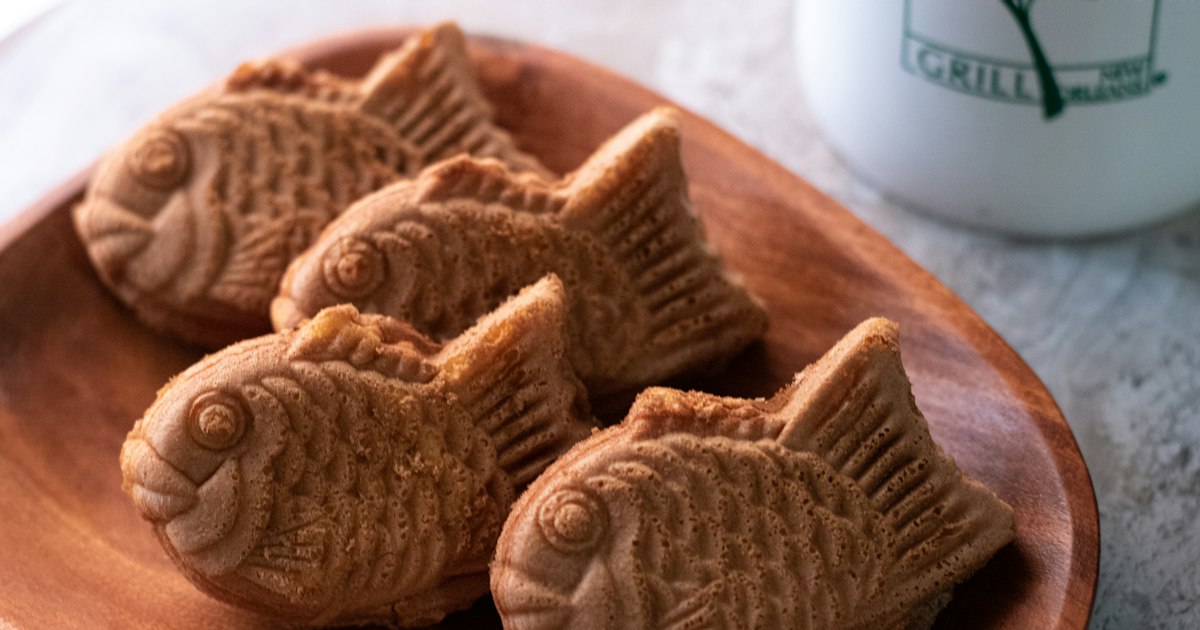
Photo by Kelly Visel on Unsplash
Walk past any Japanese supermarket’s refrigerated section and you’ll spot it: a smooth pink-and-white loaf, sometimes mounted on a thin wooden board, sometimes swirled into a pink pinwheel floating in a bowl of ramen. That’s kamaboko, Japan’s steamed fish cake, and while it often gets dismissed as a throwaway ramen topping, the artisan versions made in a handful of towns are genuinely crafted goods worth seeking out — some cut and shaped like origami, others aged in techniques that go back centuries. Here’s how to find the good stuff.
What Is Kamaboko, Exactly?
Kamaboko starts as surimi — white fish (traditionally shiro-guchi croaker, now often Alaska pollock or shark) pounded into a fine paste with salt, sugar, and starch, then steamed until it sets into a firm, springy cake. The classic shape is a half-cylinder loaf mounted on a small wooden board (ita), which is why old-school kamaboko is sometimes called ita-kamaboko. The pink skin you see on top isn’t rubber dye for fun — kōhaku (red-and-white) kamaboko is specifically made for New Year’s osechi trays and celebrations, since red and white together symbolize good fortune in Japan.
Two relatives worth knowing so you don’t mix them up in a shop: chikuwa is the hollow, tube-shaped version grilled on a stick (not board-mounted), and narutomaki is the pink spiral swirl you find in ramen and oden, named after the whirlpools off Naruto in Tokushima. Both are technically kamaboko-family products but sold and eaten differently.
Regional Styles Worth Seeking Out
Kamaboko is a regional craft as much as a food category, and the differences are real:
- Odawara (Kanagawa): Often considered the heartland of refined kamaboko, thanks to clean coastal water and a port that historically shipped premium white fish. Odawara kamaboko is prized for its tight, bouncy texture (the Japanese word is “ashi,” or springiness) and is sold in long-running shops dating back to the Edo period.
- Sendai (Miyagi): Home to sasa-kamaboko, flat fan-shaped cakes grilled (not just steamed) so the surface browns slightly, resembling bamboo leaves. It’s a grab-and-eat snack as much as a formal gift, and stalls near Sendai Station sell it warm.
- Kanazawa (Ishikawa): Known for kazari-kamaboko — decorative kamaboko sculpted into cranes, flowers, or crab shapes, traditionally made for weddings and celebrations. These are display pieces as much as food.
- Shimonoseki and the Seto Inland Sea area: Leans on local fish varieties for a denser, more savory style, often sold in smaller artisan shops rather than department stores.
Where to Buy Artisan Kamaboko
If you’re in Tokyo, the easiest reliable source is a department store basement food hall (depachika), which routinely stocks regional kamaboko brands flown in from Odawara, Sendai, and Kanazawa. The food halls around Nihonbashi’s flagship department stores are a good bet precisely because this neighborhood has centuries of history as a merchant and provisions district — look for the gift-boxed sets, usually 1,000–3,000 yen for an assortment of 4–6 small cakes, which travel well if you’re bringing souvenirs home.
In Osaka, the stalls of Kuromon Ichiba Market sell fresh kamaboko and chikuwa alongside the market’s famous seafood skewers — it’s a good spot to buy a small loaf (often 300–800 yen) to eat that day rather than a shelf-stable gift box.
For the real pilgrimage, Odawara is an easy day trip from Tokyo — about 35 minutes by Tokaido Shinkansen from Tokyo Station, or roughly 70–80 minutes on the Odakyu Line from Shinjuku. Several historic kamaboko houses operate shops near Odawara Station and along the old Tokaido road, selling everything from everyday boards (around 500–900 yen) to elaborately shaped gift sets well over 3,000 yen.
Watching (and Trying) the Craft Yourself
The best-known hands-on stop is Suzuhiro Kamaboko no Sato, a combined shop, small museum, and workshop space a short walk or bus ride from Odawara Station. It’s generally open daily from around 9:00 to 18:00 (hours can shift seasonally, so confirm before you go), and offers a chikuwa- or kamaboko-making experience where you shape surimi paste by hand and grill or steam it yourself, typically for a fee in the 1,000–2,000 yen range per person. It’s a genuinely fun 20–30 minute activity for families or anyone curious how a flat fish paste becomes a springy, structured cake — and you eat what you make.
Budget, Mid-Range, and Splurge Picks
Thinking about what to buy at different price points:
- Budget (300–800 yen): A single loaf or a few pieces of narutomaki or chikuwa from a market stall or supermarket — fine for snacking, not really gift material.
- Mid-range (1,000–3,000 yen): Boxed assortments from an established house like those in Odawara or Sendai, usually vacuum-sealed or chilled, suitable as omiyage for colleagues or family. If you’re already building a shopping list of Japanese gift sweets and snacks, it’s worth comparing against the standards covered in our omiyage buyer’s guide — kamaboko makes a nice savory counterpoint to an all-sweets gift box.
- Splurge (3,000–8,000+ yen): Hand-shaped kazari-kamaboko from Kanazawa artisans, often made to order for weddings or New Year, sculpted into cranes or flowers. These are closer to edible art and usually need advance ordering through specialty shops rather than walk-in purchase.
Common Mistakes to Avoid
The biggest one is buying kamaboko as a take-home souvenir without checking that it needs refrigeration — most artisan kamaboko is chilled, not shelf-stable, and will spoil within days, so it’s a poor choice if you have a long flight home with no cooler bag. Ask specifically for a vacuum-sealed or shelf-stable gift set if you need something to survive the trip; shops that cater to tourists usually have one. Another mistake is confusing cheap, highly processed kamaboko (often made mostly from starch and flavoring, sold cold-cut style for bento boxes) with the artisan product — texture and fish content vary enormously by price, and a 150-yen convenience store pack tells you nothing about what real ita-kamaboko tastes like.
Best Time to Buy
Kamaboko is sold year-round, but late December is peak season, since kōhaku (red-and-white) kamaboko is a required component of osechi ryori, the New Year’s meal, and shops sell out of their nicest shaped and gift-boxed versions in the final weeks of the year. If you want the full range of celebratory and decorative styles — including the elaborate Kanazawa shapes — visiting in mid-to-late December gives you the widest selection, though you’ll be competing with locals doing their own New Year shopping. Outside that window, kamaboko culture pairs naturally with other traditional Japanese food crafts worth building a trip around, like the fermented and pickled vegetables covered in our guide to tsukemono — both are everyday staples that have a surprisingly deep artisan tier once you know where to look.