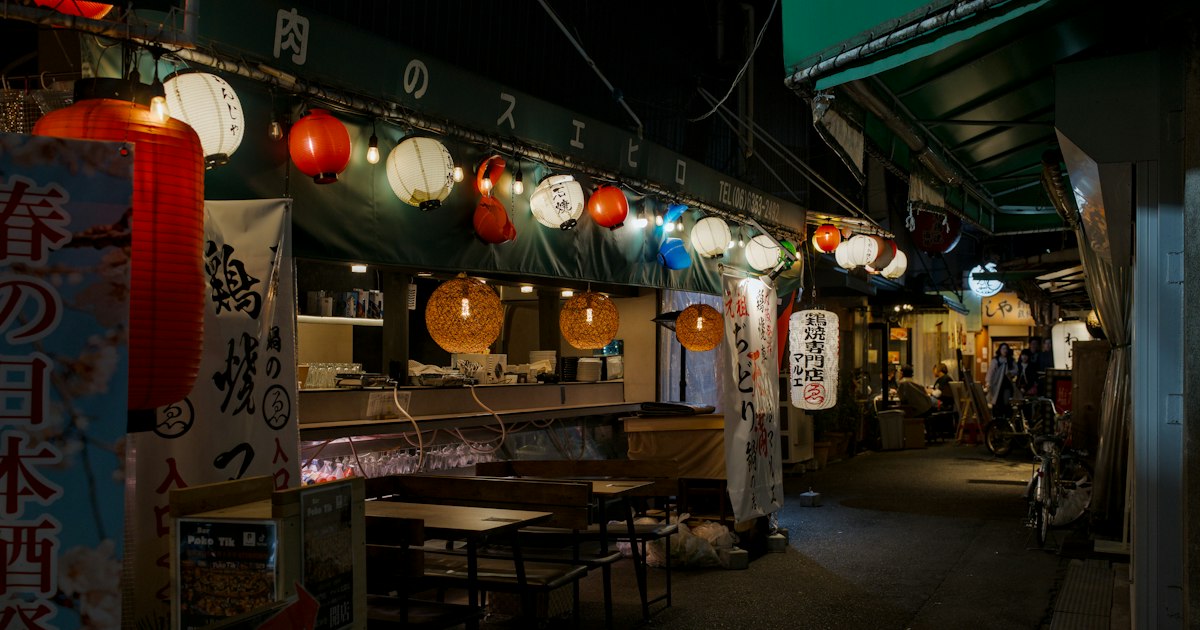
Known locally as “Osaka’s Kitchen,” Kuromon Ichiba Market is a 580-meter covered arcade in Nipponbashi packed with roughly 150 stalls selling everything from live seafood to wagyu skewers to seasonal fruit. Unlike many food markets in Japan where eating on the spot is frowned upon, Kuromon actively encourages it—most stalls grill, shuck, or torch their food right at the counter and hand it to you to eat standing a few feet away. Here’s how to plan a food crawl that actually works, with real prices and the mistakes that trip up first-time visitors.
What Is Kuromon Ichiba Market?
Kuromon Ichiba has operated as a wholesale-turned-retail food market since the late Edo period, originally supplying restaurants and sushi chefs across Osaka. Today it’s split roughly between old-school vendors selling raw fish, pickles, and produce to locals, and newer stalls built for tourists who want a quick skewer or a grilled scallop to eat on the move. Both halves are worth your time—the produce and dry-goods shops give you a sense of what Osaka actually cooks with, while the grab-and-go counters are where most visitors spend their money.
The arcade is fully covered, so it’s a good rainy-day option, and it stays open regardless of weather or season. Pickle specialists here are a good stop if you want to understand Japan’s tsukemono tradition beyond the small packets sold at convenience stores—several stalls let you sample before buying.
Getting There: Trains, Walking, and Taxis
The market sits between Namba and Nipponbashi, making it an easy add-on to a Dotonbori or Shinsekai day.
- Osaka Metro: Nippombashi Station (Sakaisuji Line or Sennichimae Line), Exit 10, is about a 1-minute walk directly into the market’s southern end.
- Kintetsu/Hanshin Namba Line: Nihonbashi Station is similarly close, roughly 2 minutes on foot.
- From Namba Station: It’s a 10–12 minute walk north through the Nipponbashi Den Den Town electronics district.
- From Shin-Osaka Station: Take the subway (Midosuji Line to Namba, then transfer) for about 25 minutes total.
If you’re coming from a hotel in a less subway-friendly area, or you’re loaded down with shopping bags afterward, a taxi is a reasonable option for this short a hop—see our guide to hailing a taxi in Japan for app-based ordering and fare etiquette.
When to Go: Best Time to Beat the Crowds
There’s no single posted opening hour for the market as a whole—it’s a public shopping street, not a gated facility—but individual stalls set their own schedules. Most open between 8:00 and 10:00 and pull their shutters by 18:00, though a handful of sushi and seafood counters stay open until 20:00 to catch dinner traffic. A few produce and dry-goods shops close entirely on no fixed day, so if there’s one specific stall you want, it’s worth checking it’s open before you go.
Arrive before 10:00am for the best combination of fresh stock and thin crowds. Tour groups and cruise-ship day-trippers tend to flood the arcade between 11:00am and 3:00pm, especially on weekends, when the narrow lanes can get genuinely congested. Winter (November through February) is prime season for crab and oysters, while summer brings cheaper, plumper uni and the market’s famous grilled scallops at their sweetest. The market is covered, so humidity aside, there’s no bad season to visit.
What to Eat: A Stall-by-Stall Crawl
Budget street food runs 300–1,500 yen per item, which is the sweet spot for grazing your way down the arcade:
- Grilled scallop on the half-shell — 500–800 yen, torched or grilled to order
- Fresh oysters — 300–500 yen each, raw or lightly grilled
- Tamagoyaki (rolled omelet) skewer — 300–500 yen, a good palate reset between seafood
- Wagyu beef skewer — 800–1,500 yen, seared tableside
- Takoyaki (6 pieces) — around 500–700 yen
Mid-range options (1,500–3,000 yen) include small sushi sets, seafood rice bowls, and grilled fish plates meant to be eaten at a counter rather than walking. For a splurge, king crab legs run anywhere from 1,500 to 4,000+ yen depending on size and preparation, and premium uni bowls or whole grilled fugu courses can run 3,000–8,000 yen. These higher-end items are usually priced per gram or per piece and displayed clearly—always confirm the total before the vendor starts cutting, since a “per 100g” price can add up fast on a king crab leg.
If you want to compare notes on grilled skewers more broadly—seasonings, cuts, and how to order like a regular—our guide to yakitori in Japan covers the etiquette that carries over to Kuromon’s beef and seafood skewer stalls too.
Market Etiquette and Common Mistakes
Eating while walking is one of the few places in Japan where this is normal, since Kuromon is built around it—but there are still unwritten rules. Eat your food near the stall you bought it from, not three shops down, and use the small trash bins each vendor provides rather than carrying wrappers out of the market. Don’t photograph vendors or their product up close without asking, and don’t pick up or touch seafood on display.
The biggest mistake visitors make is assuming every stall takes cards. Many of the larger seafood and skewer counters now accept IC cards (Suica/Icoca) and credit cards, but plenty of the smaller, older stalls remain cash-only, and you’ll want small bills and coins rather than a 10,000 yen note for a 500 yen scallop. If a vendor hands you a receipt for a pricier item like crab or wagyu, hold onto it—it’s useful if you have any dispute about what you were charged, and our guide to receipts and returns in Japan explains what tourists should know before handing over cash at a market stall versus a retail shop.
A second common mistake: buying the first grilled scallop or crab leg you see at the market’s entrance. Prices for the same item can vary by a few hundred yen between stalls, and the entrance-facing shops often charge a premium knowing it’s the first thing visitors encounter. Walk at least a third of the way down the arcade before committing to your first purchase.
Budget Planning: What a Food Crawl Actually Costs
For a satisfying grazing lunch of four or five small items—a scallop, an oyster, a skewer, a tamagoyaki, and a drink—budget 2,500–3,500 yen per person. Add a crab leg or premium uni bowl and you’re looking at 5,000–8,000 yen for a genuinely indulgent meal. Most people spend 45 minutes to 90 minutes working through the market at a grazing pace; if you want to sit down for a proper sushi set at one of the counter restaurants mid-arcade, add another 20–30 minutes and 2,000–3,000 yen to that.
Nearby: Where to Go After Kuromon
Dotonbori’s canal-side neon and restaurants are a 10-minute walk north, making it natural to pair a Kuromon lunch with an evening in Dotonbori. Shinsekai and the Tsutenkaku Tower area, known for kushikatsu, are about 20 minutes south on foot or a short subway ride. If you’re stocking up on souvenirs for home after your food crawl, it’s worth comparing what you find at Kuromon’s dry-goods stalls against the packaged sweets at department stores—see our buyer’s guide to Tokyo Banana and Japan’s iconic omiyage sweets for what travels well and what doesn’t.