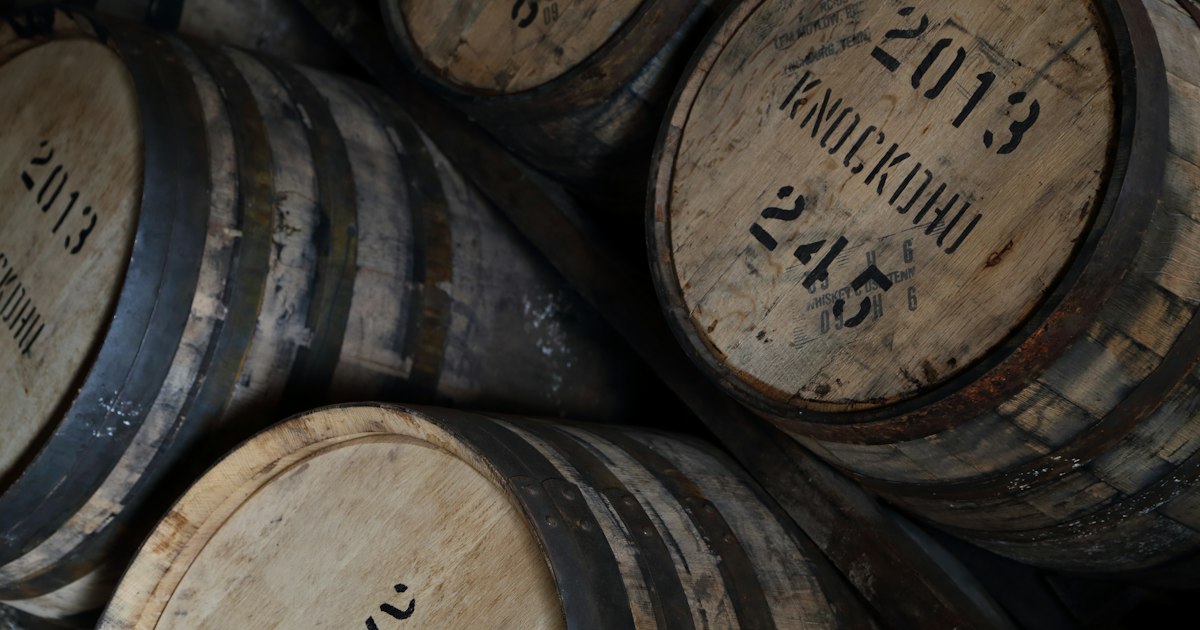
Photo by François Hoppet on Unsplash
Japan’s whisky boom didn’t happen by accident — it started in the 1920s when Masataka Taketsuru brought distilling knowledge home from Scotland and helped found what became Suntory’s Yamazaki Distillery, then later built his own Nikka distillery in Yoichi, Hokkaido, chasing a climate that reminded him of the Scottish Highlands. Today Yamazaki, its sister distillery Hakushu, and Yoichi are the three most visit-worthy production sites in the country, and all three welcome travelers with proper tours, tasting counters, and gift shops stocked with distillery-only bottlings. None of them are difficult to reach, but each has its own booking quirks, so here’s what to actually expect.
Yamazaki Distillery: Japan’s Original Whisky Birthplace
Founded in 1923, Yamazaki sits in Shimamoto, Osaka Prefecture, right on the border with Kyoto, chosen for its soft water and the morning mist off three converging rivers. It’s the easiest of the three to reach: take the JR Kyoto Line (not all trains stop here, so check for a local or rapid service) from Kyoto Station (about 15 minutes) or Osaka Station (about 30 minutes) to JR Yamazaki Station, then walk roughly 7 minutes. Hankyu’s Oyamazaki Station on the Kyoto Line works too.
All visits now require advance online reservation through Suntory’s official site — walk-ins are not guaranteed entry, especially on weekends. Reservations typically open about 3 months ahead and the popular tasting-included tours fill within days, so book the moment your travel dates are fixed. Pricing runs roughly ¥1,000 for a basic distillery tour with a highball at the end, up to ¥4,000–¥5,000 for premium tours that include tastings of single malts not sold in stores. The on-site Whisky Museum and shop are open to anyone who books a visit, roughly 9:30 to 17:00, with closures around New Year and occasional maintenance days. English-language tour slots exist but are limited, so confirm the language when booking.
Since you’re already in the Kyoto–Osaka corridor, it’s easy to tack this onto an Osaka day: many visitors finish a Yamazaki tour and head into the city for dinner at Shinsekai, Osaka’s retro tower district, where deep-fried skewers pair surprisingly well with a glass of what you just tasted.
Hakushu Distillery: Whisky in a Forest, Not a Factory
Suntory’s second distillery, opened in 1973, is built inside a forest in Hokuto, Yamanashi Prefecture, at the base of the Southern Japan Alps — it’s often called the largest distillery in the world by land area, and it shows: there’s a bird sanctuary and wooded walking paths on the grounds. From Tokyo, take a JR Chuo Line limited express (Azusa or Kaiji) from Shinjuku to Kobuchizawa Station, about 2 hours, then transfer to a free shuttle bus that Suntory runs for ticketed visitors (reservation required, about 20 minutes to the distillery gate).
Booking works the same as Yamazaki: reserve online in advance, expect similar pricing tiers (around ¥1,000 for the standard tour, more for tasting-heavy premium options), and don’t expect to walk in without a reservation. Hours are roughly 9:30 to 17:00 with similar seasonal closures. Autumn (late October into November) is the standout season here — the forest turns color and the whole property feels more like a mountain retreat than an industrial site. Spring’s fresh greenery is nearly as good; midsummer can be humid, and winter access depends on snow conditions around Kobuchizawa, so check JR service status if you’re visiting January–February.
Yoichi Distillery: Nikka’s Original Hokkaido Site
Masataka Taketsuru picked Yoichi, a small coastal town near Otaru in Hokkaido, because its cool climate and peaty character reminded him of Scotland. The distillery, dating to 1934, is the most atmospheric of the three — stone warehouses, coal-fired pot stills (still used for some production), and a small museum dedicated to Taketsuru and his Scottish wife Rita. From Sapporo, take a JR train to Otaru (about 40 minutes), transfer to a local train bound for Yoichi (about 25 minutes more), and the distillery gate is roughly a 3-minute walk from Yoichi Station — one of the most convenient station-to-distillery walks in Japan.
Yoichi has historically been more flexible about reservations than the two Suntory sites, with self-guided walking routes through the grounds included in free admission, and a tasting hall where you pay per pour (a flight of a few drams usually runs somewhere in the ¥500–¥1,000 range). That said, Nikka has been tightening reservation requirements for guided tours in recent years, so check the official Nikka website before you go rather than assuming you can just show up. Hours are generally 9:00 to 17:00, with closures around the New Year holiday. Summer (June–August) is the easiest time to visit comfortably; Hokkaido winters are scenic but can disrupt train schedules, so build in buffer time if you’re visiting between December and March.
Planning Your Trip: Budget, Season, and Logistics
Realistically, you can’t do all three in one trip unless you’re dedicating serious time to Japan — Yamazaki/Hakushu sit in central Honshu while Yoichi is in Hokkaido, a separate flight or long train ride away. Most travelers pair Yamazaki with a Kyoto–Osaka itinerary, treat Hakushu as an add-on if they’re also doing Mt. Fuji or the Japan Alps, and visit Yoichi as part of a dedicated Hokkaido/Sapporo trip.
- Budget: self-guided or basic reserved tours (~¥1,000), public transport only, one tasting included.
- Mid-range: tasting-focused tours (~¥2,000–¥3,000) with 2–3 pours of limited bottlings, plus lunch at the on-site restaurant where available (Hakushu has one).
- Splurge: premium tours (¥4,000–¥8,000+) with rare cask tastings, or hiring a car/driver to combine Yamazaki and Hakushu in a single long day from Kyoto or Tokyo.
If you’re driving between distilleries rather than relying on trains — common for a Yamazaki-plus-Hakushu day trip, since public transit between them is slow — renting a car means dealing with expressway tolls, and it’s worth sorting out an ETC card before you leave the rental counter; see our guide to ETC cards and expressway tolls for how that works. Just remember that whoever’s driving can’t drink at the tasting counter — Japan has zero tolerance for drink-driving, and there’s no workaround here.
Common Mistakes to Avoid
The single biggest mistake is assuming you can walk in without checking reservation requirements first — Yamazaki and Hakushu both require advance booking, and slots for English tours or weekend dates disappear fast. Book as soon as your dates are confirmed, not after you land.
Second, don’t expect to buy the famous aged expressions — Yamazaki 18, Yamazaki 25, or rare Nikka single casks — in the gift shop. These are allocated through lotteries or simply not stocked for walk-in sale; shops mostly carry the standard range, distillery-exclusive NAS (no-age-statement) bottlings, and merchandise. If a specific rare bottle is your goal, research the lottery system in advance rather than counting on finding it on-site.
Third, don’t bring a drone expecting to get atmospheric shots of the grounds — distilleries are private industrial property with working equipment and fire-safety concerns, and drone use is generally not permitted without specific authorization. If aerial photography matters to your trip, it’s worth understanding Japan’s broader rules first; our overview of drone laws and photography permits in Japan covers where flying is and isn’t allowed.
Finally, pace your day. Tastings are generous by some countries’ standards but still modest pours meant for appreciation, not a bar crawl — plan your onward travel (train connections, dinner reservations) with that in mind, and if you’re hopping from Yamazaki into Osaka’s izakaya scene afterward, a plate of hot karaage is the classic whisky-highball pairing to look for on the menu.