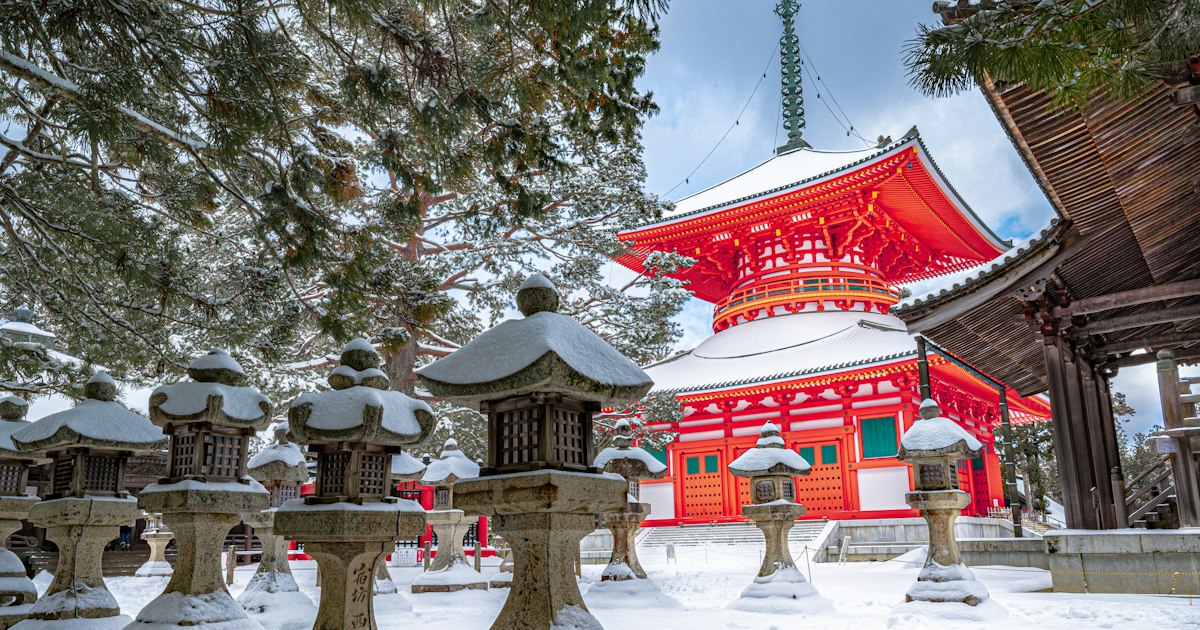
Photo by Samuel Berner on Unsplash
If you’re in Japan over the New Year, you’ll see a country that slows down, closes its shutters, and then floods its shrines with millions of people within the same 72 hours. Oshogatsu (お正月), Japan’s New Year holiday, is the single most important date on the calendar — bigger than Christmas, bigger than Golden Week — and it runs on its own rules. Shops shut, trains fill up, and entire neighborhoods smell like grilled mochi. Here’s what’s actually happening, what it costs, and how to take part without getting caught out.
When Oshogatsu Happens and What Actually Closes
The core holiday is January 1–3, called sanganichi. Many family-run restaurants, small shops, and even some museums close for all three days, re-opening gradually from January 4. Department stores and malls increasingly stay open (some close only on Jan 1), but check individual hours before planning a shopping day — a shop listed as open until 20:00 in December may run reduced hours of 11:00–17:00 during sanganichi. Supermarkets often close just for January 1. Convenience stores (7-Eleven, FamilyMart, Lawson) stay open 24/7 year-round and become genuinely essential during this stretch — it’s also peak season for convenience-store oden, which is sold through the coldest months and makes a cheap, warm meal (around ¥100–200 per item) when everything else is shuttered. Note too that waste collection schedules shift over the holiday — if you’re in a rental apartment or guesthouse, see our guide on sorting trash in Japan, since pickup days routinely get suspended or delayed around Jan 1–3.
Osechi Ryori: The New Year Feast
Osechi ryori is a set of symbolic dishes packed into stacked lacquer boxes called jubako, traditionally prepared before December 31 so families don’t have to cook — and so stores can rest — during the first days of the year. Each item has a meaning: black soybeans (kuromame) for health, herring roe (kazunoko) for fertility, rolled kelp (kobumaki) for happiness (“yorokobu”), and sweet chestnut-and-mashed-sweet-potato (kuri kinton) for wealth, since its golden color resembles coins.
For visitors, the practical way to try osechi is to pre-order a set, which department stores and even convenience stores sell from November through late December for pickup around Dec 30–31. Expect roughly:
- Budget: ¥3,000–6,000 for a single-tier box from a supermarket or convenience store, feeding 1–2 people.
- Mid-range: ¥8,000–20,000 for a two- or three-tier set from a department store food hall (depachika), often with a mix of traditional and modern Western-style items.
- Splurge: ¥25,000–60,000+ for elaborate sets from famous ryotei restaurants or hotels, sometimes requiring reservation by early December.
If you’re traveling without a kitchen or fridge for a pre-order, your easiest option is a ryokan or hotel New Year’s dinner package, or simply visiting a depachika on Dec 30–31, where unsold osechi items are often discounted in the evening. Also look out for ozoni, a mochi-filled soup eaten on New Year’s morning — the broth and mochi shape vary by region (clear soy-based in Tokyo, white miso in Kyoto).
Mochi and New Year Snacking
Pounding mochi (mochitsuki) is a traditional New Year’s Eve activity, and you’ll sometimes see public mochi-pounding demonstrations at shrines, shopping streets, or hotel lobbies in late December. Decorative stacked mochi called kagami mochi (two round rice cakes topped with a small orange) are displayed in homes and shop entrances through early January as offerings, then traditionally broken up and eaten on kagami biraki (around Jan 11). If you want a sweeter regional take on rice-based New Year snacking, Sendai’s zunda mochi is worth seeking out, and rice crackers make reliably good omiyage to bring home — see our senbei buying guide for which varieties travel well and keep longest.
Hatsumode: The First Shrine Visit of the Year
Hatsumode (初詣) is the year’s first shrine or temple visit, made to pray for good fortune. It’s the busiest single religious event in Japan: Meiji Jingu in Tokyo alone draws over 3 million visitors across the first three days. Other major sites include Senso-ji in Asakusa, Fushimi Inari Taisha in Kyoto, and Sumiyoshi Taisha in Osaka.
Timing matters a lot here:
- Midnight Dec 31–Jan 1: The most crowded window, often with queues of an hour or more just to approach the main hall at famous shrines. Many run special all-night train service for this.
- Daytime Jan 1–3: Still very busy but more manageable; this is when most Japanese families actually go.
- After Jan 4, up to Jan 7 or even the 15th: Crowds drop sharply and you can experience the same shrine in near-normal conditions. If your main goal is photos and atmosphere rather than the “first visit” ritual itself, this is the smarter window.
At the shrine, the ritual is simple: toss a coin into the offering box (a 5-yen coin, go-en, is considered lucky as it’s a pun on “connection”), bow twice, clap twice, pray, bow once. Many visitors also buy an omamori (protective amulet, ¥500–1,500) or draw an omikuji fortune slip (¥100–300) — if you draw bad luck, tying the paper to the designated rack on-site is believed to leave the misfortune behind rather than take it home.
Common Mistakes to Avoid
- Assuming everything stays open: Don’t plan a shopping-heavy itinerary for Jan 1–2; confirm hours in advance, especially for restaurants and smaller museums.
- Underestimating hatsumode crowds and train changes: Some stations restrict entry or exit routes near major shrines during peak hours; allow extra time and expect station staff directing foot traffic.
- Trying to book accommodation last-minute: Hotels near major shrines and in popular onsen towns sell out weeks ahead for Dec 29–Jan 3; if your New Year plans include a soak, somewhere like the Izu Peninsula is worth booking well before December.
- Expecting osechi to be ready for walk-in purchase on Jan 1: Most sets must be ordered in advance; walking into a depachika on New Year’s Day looking for fresh osechi will usually disappoint.
Other New Year Customs Worth Knowing
You’ll also notice nengajo, New Year’s postcards designed to arrive exactly on Jan 1 (Japan Post processes huge volumes to make this happen), and otoshidama, small cash gifts in decorated envelopes given to children by relatives. Store “fukubukuro” (lucky grab bags), sold from Jan 1 or 2 at a fixed price with a surprise mix of goods worth more than you paid, are a genuinely fun way to shop during the holiday if you enjoy a bit of chance — department stores, electronics retailers, and specialty shops all run their own versions.
Taken together, Oshogatsu rewards visitors who build in slack: fewer reservations, more flexibility, and an itinerary that treats the first few days of January as a cultural experience to watch and join rather than a normal sightseeing week to power through.