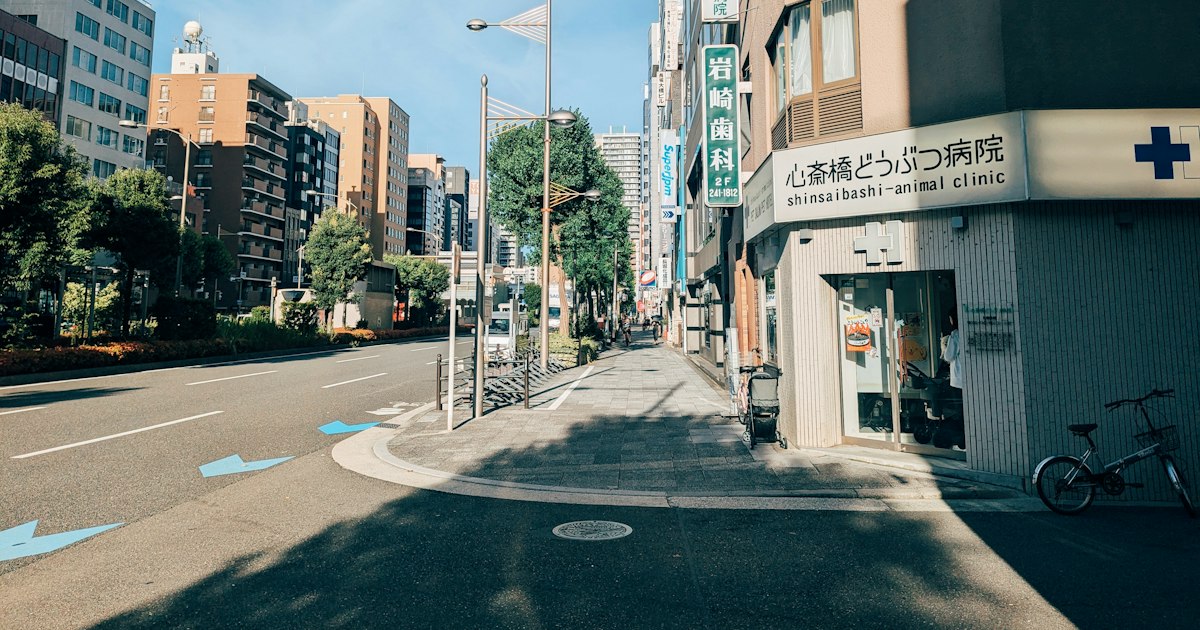
Photo by note thanun on Unsplash
Japan is one of the safest countries you’ll ever visit, but “safe” doesn’t mean “cheap to get sick or hurt in.” A single night in a Japanese hospital can run ¥50,000–¥150,000, and an ambulance ride — while free at the point of use — won’t cover the treatment that follows. Travel insurance is the one purchase on your packing list that you’ll never regret and might desperately need. Here’s exactly what to buy, what it costs, and the mistakes that leave travelers paying out of pocket.
Why Japan specifically requires real medical coverage
Japan does not have reciprocal healthcare agreements with the US, UK, Australia, Canada, or most other tourist-origin countries. That means as a visitor, you pay 100% of the cost at the time of treatment — there’s no “foreigner discount” or government subsidy. Clinics and hospitals increasingly expect either cash, a Japanese-linked card, or proof of insurance before treating non-emergency cases. If you’ve read our guide on what to do if you get sick in Japan, you already know pharmacists and clinic staff will ask about payment method almost immediately. A basic walk-in clinic visit for a cold or stomach bug typically costs ¥5,000–¥10,000 without insurance; a same-day CT scan or X-ray after a fall can add another ¥15,000–¥40,000. Appendicitis surgery and a few days of hospitalization can realistically hit ¥1,000,000–¥2,000,000. None of that is urban-legend scare-mongering — it’s standard private-pay pricing at Japanese hospitals.
What to actually buy: the coverage priority list
Not all travel insurance is equal, and plenty of cheap policies look fine on paper but have gaps that matter in Japan specifically. Prioritize in this order:
- Emergency medical coverage of at least $100,000 USD (roughly ¥15,000,000). This is non-negotiable. Hospitalization, surgery, and specialist care in Japan’s private system add up fast, especially in Tokyo and Osaka.
- Medical evacuation/repatriation coverage. If you’re hiking in a remote area — say, around Okutama’s mountain trails or anywhere in rural Tohoku — a helicopter evacuation or flight home with a medical escort can cost $50,000+ on its own. Standard policies often cap this separately from general medical, so check the number explicitly.
- Trip interruption/cancellation. Useful if a typhoon cancels your flight or a family emergency cuts the trip short, but secondary to medical coverage in importance.
- Baggage and personal effects. Nice to have, low priority — Japan’s lost-and-found culture is famously good, and theft is rare.
- Adventure/activity riders. If your itinerary includes skiing, diving (think the reefs around Ishigaki and the Yaeyama Islands), or serious mountain hiking, confirm these activities aren’t excluded — many standard policies quietly exclude “hazardous activities” unless you add a rider.
Realistic costs and where budget, mid-range, and splurge differ
For a two-week trip, expect to pay roughly:
- Budget (~$30–50 USD for two weeks): Basic single-trip plans from insurers like World Nomads, SafetyWing, or Travelex. Fine for most travelers, but double-check the medical cap and evacuation limit — some budget plans cap medical at $50,000, which is tight for a major hospitalization.
- Mid-range (~$60–100 USD for two weeks): Plans with $100,000+ medical, $250,000+ evacuation, and trip interruption bundled in. This is the sweet spot for most visitors and what we’d recommend defaulting to.
- Splurge (~$150+ USD, or annual multi-trip plans): Higher medical caps ($500,000+), “cancel for any reason” riders, and rental car/equipment coverage. Worth it if you’re doing an extended, activity-heavy, or multi-country trip, or if you’re older and want higher medical ceilings.
Credit card travel insurance (common with premium US and Canadian cards) is a real option but is almost always secondary coverage with lower medical caps than a dedicated policy — read the benefits guide for your specific card before relying on it alone.
When to buy it and how it ties into your itinerary
Buy your policy as soon as you’ve paid a non-refundable deposit on flights or accommodation — that’s the point at which trip cancellation coverage actually starts protecting money you’d otherwise lose. For medical coverage, it simply needs to be active before departure. There’s no seasonal pricing swing worth timing around, but risk profile does shift with season: winter trips to snow regions carry higher injury risk (skiing, icy sidewalks), while summer trips raise heat-exhaustion risk, especially for older travelers doing a lot of walking between sites like Hitachi Seaside Park or festival crowds at events like Nebuta Matsuri. If your trip involves a lot of train travel and you’re worried about missed connections, it’s worth knowing that Japan Rail is actually quite forgiving — see our piece on Shinkansen transfer rules — so trip-delay coverage matters less for rail delays than for international flight connections.
Common mistakes that leave travelers exposed
- Assuming a credit card’s “travel insurance” covers medical emergencies. Many only cover trip cancellation and baggage, not hospitalization.
- Not reading the pre-existing condition clause. If you have a known condition, you often need to buy the policy within 14–21 days of your first trip deposit for it to be covered at all.
- Skipping evacuation coverage because “Japan has great hospitals.” True, but getting to one from a remote onsen town or mountain trail is the actual problem evacuation coverage solves.
- Not keeping receipts. Japanese clinics will give you an itemized receipt (shinryo meisho-sho) automatically — keep every piece of paper, since claims are routinely rejected for missing documentation.
- Buying insurance after departure. Nearly every insurer requires the policy to be purchased before you leave home, with limited exceptions for extending an existing policy mid-trip.
The bottom line
Treat travel insurance as part of the trip budget alongside your Shinkansen tickets and accommodation, not an optional add-on. For most travelers, a mid-range policy with $100,000+ medical and solid evacuation coverage, bought within a few weeks of your first deposit, is the right call. It’s a small fraction of total trip cost and the one thing standing between a bad afternoon and a bad year.