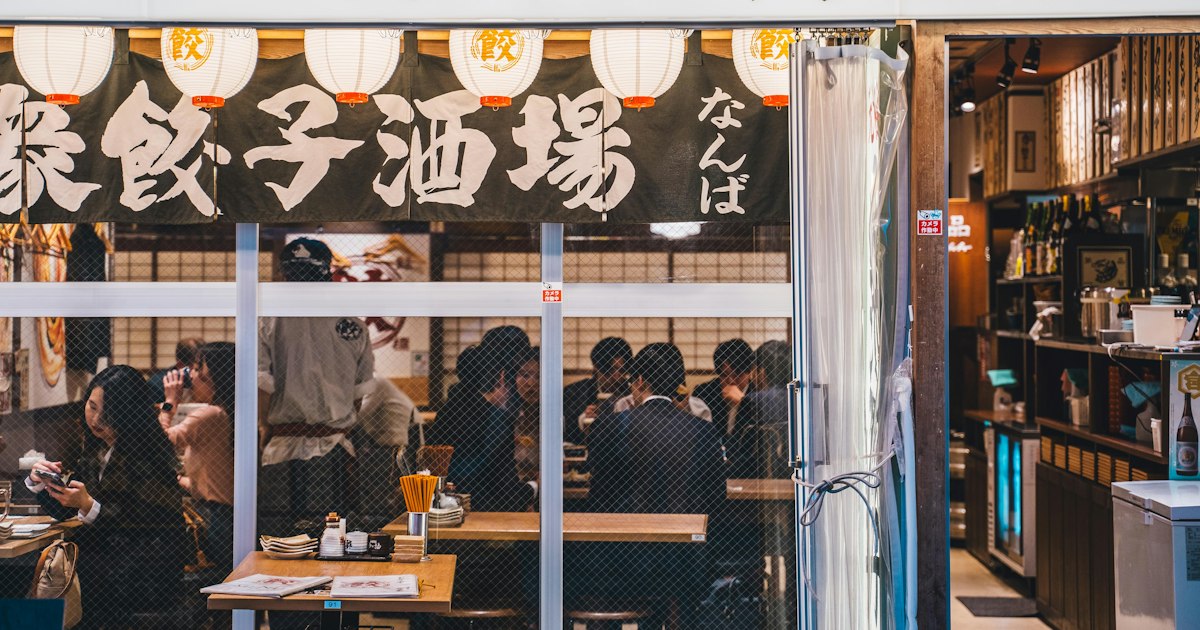
Japan is one of the best food destinations on earth, which makes it frustrating when a shellfish, egg, or wheat allergy forces you to stare blankly at a menu with zero English and no obvious way to ask what’s inside. Unlike many Western countries, Japan has no law requiring restaurants to list allergens on menus — the detailed labeling you may be used to at home mostly applies to packaged supermarket food, not what’s handed to you at a counter. The good news is that a little preparation, a printed card, and a few phrases go a long way. Here’s how to actually eat safely.
Why Japanese Food Is Trickier Than It Looks
The biggest trap for allergy sufferers isn’t the obvious dish — it’s the invisible base ingredients used in almost everything. Dashi, the stock underlying miso soup, simmered dishes, and most sauces, is typically made from bonito flakes (fish) and/or kelp, so “vegetarian-looking” food is often not fish-free. Soy sauce and miso contain wheat, which is a problem for people managing wheat or gluten allergies, even in dishes that look rice-based. Soba noodles are buckwheat but are frequently cooked in water shared with wheat udon, and even “100% soba” shops often dust work surfaces with wheat flour. If you’re curious what a genuinely wheat-noodle dish looks like for comparison, the hand-stretched noodles described in our Inaniwa udon guide are a good example of how much wheat shows up in dishes that don’t look like bread or pasta. Eggs, dairy, and peanuts/tree nuts also sneak into batters, dressings, and desserts far more often than visitors expect.
Build an Allergy Card Before You Land
An allergy card is a small printed sheet, in Japanese, that states your allergies clearly enough for kitchen staff to act on without needing to understand English. It works far better than an app translation in the middle of a busy lunch rush because staff can read it themselves and show it to the chef. A good card includes:
- A short opening line: “アレルギーがあります。下記の食材が入った料理は食べられません。” (I have a food allergy. I cannot eat dishes containing the following ingredients.)
- A bullet list of your specific allergens in Japanese (e.g., 卵 egg, 乳 milk/dairy, 小麦 wheat, えび shrimp, かに crab, そば buckwheat, 落花生 peanut, くるみ walnut, 大豆 soy, ごま sesame)
- A line asking about shared cooking surfaces or oil if cross-contamination is a concern for you: “調理器具や油を他の料理と共有していますか?”
- Severity, in plain terms: “少量でも危険です。アナフィラキシーの可能性があります。” (Even a small amount is dangerous. Anaphylaxis is possible.)
You can type this up yourself with a translation tool and have a Japanese-speaking friend or hotel concierge check it before the trip, or search for free printable “food allergy card Japan” templates from nonprofit and tourism-support sites — several exist specifically for English-speaking travelers. Print two or three copies at home, or at any convenience store multi-copy machine in Japan (Lawson, FamilyMart, and 7-Eleven all have them) for roughly ¥10 per black-and-white page. Laminating one copy at a stationery shop for under ¥500 keeps it readable after it’s been pulled out of a wallet fifty times.
Where the Card Actually Works — and Where It Doesn’t
Allergy cards are most effective at sit-down restaurants, ryokan dinners, and izakaya, where a staff member can take a moment to walk to the kitchen and ask the chef. They’re far less effective at fast-moving chains, standing soba counters, and food stalls at festivals, where staff often can’t pause to investigate and may simply decline to serve you rather than risk a mistake — which is actually the safer outcome, just not a satisfying one. Convenience stores and supermarkets are your most reliable fallback: packaged food sold in Japan must by law list seven specific allergens (egg, milk, wheat, buckwheat, peanut, shrimp, and crab) on the package in small print, with walnut being phased in as an eighth. About twenty more ingredients, including soy, sesame, and various nuts, are recommended for labeling but not legally mandatory, so don’t assume absence means safety — check for 大豆 (soy) and ごま (sesame) yourself. Department store basement food halls (depachika) are a strong mid-range option because staff are used to detailed questions and products are individually labeled, even if prices run ¥800–¥2,500 per item versus a konbini bento at ¥400–¥700.
If you’re traveling with other dietary restrictions alongside allergies — for instance, needing both allergen-free and halal-certified food — our halal food in Japan guide covers certified restaurants that are generally more accustomed to detailed ingredient conversations, which can make them a safer bet for complex allergy needs too.
Apps and Tools Worth Having on Your Phone
Google Translate’s camera mode is genuinely useful for reading printaged ingredient lists on konbini food, though it stumbles on handwritten menus and stylized restaurant signage. Save a photo of your printed allergy card to your phone’s lock screen or camera roll so you can show it even if your phone is low on battery and you can’t open an app. If you have a specific severe allergy, it’s worth translating the exact Japanese term for your emergency medication too — EpiPen-equivalent auto-injectors are sold in Japan under the name エピペン, but they require a prescription and aren’t stocked behind every pharmacy counter, so bring your own rather than planning to buy one locally.
Common Mistakes Travelers Make
- Assuming “no meat” means safe for a fish allergy. Dashi is in almost everything, including miso soup served with a “vegetable” set meal.
- Ordering during peak lunch or dinner rush. Staff have less time to relay allergen questions to the kitchen between 12:00–13:00 and 18:30–20:00. Eating slightly off-peak, or avoiding the busiest national holiday weeks covered in our Japanese public holidays guide, gives staff more bandwidth to take your card seriously.
- Trusting an English menu translation at face value. English menus are often shortened and omit sauce or garnish ingredients that the Japanese version lists.
- Not asking about frying oil. Tempura and katsu oil is frequently shared across shrimp, egg-battered, and wheat-battered items even when the final dish looks “safe.”
If a Reaction Happens Anyway
Know your plan before you need it. Japanese pharmacies (drugstores like Matsumotokiyoshi, typically open 10:00–21:00) sell antihistamines over the counter, but anything beyond mild symptoms means getting to a clinic or hospital, not waiting it out. Our guide on what to do if you get sick in Japan walks through exactly which type of facility to go to, how to call an ambulance (dial 119, free), and what an ER visit costs without Japanese insurance — often ¥10,000–¥30,000 for a basic visit, more if treatment is involved. This is exactly the scenario travel insurance exists for: a single anaphylaxis-related ER visit and any follow-up care can easily run past what most people are comfortable paying out of pocket, so check that your policy explicitly covers emergency allergic reactions before you go, as detailed in our travel insurance for Japan guide.
None of this means skipping Japan’s food scene — it means arriving with a card in your pocket, a few key phrases memorized, and a realistic sense of where to relax and where to double-check. Most restaurant staff genuinely want to get it right; they just need the information in a form they can act on.