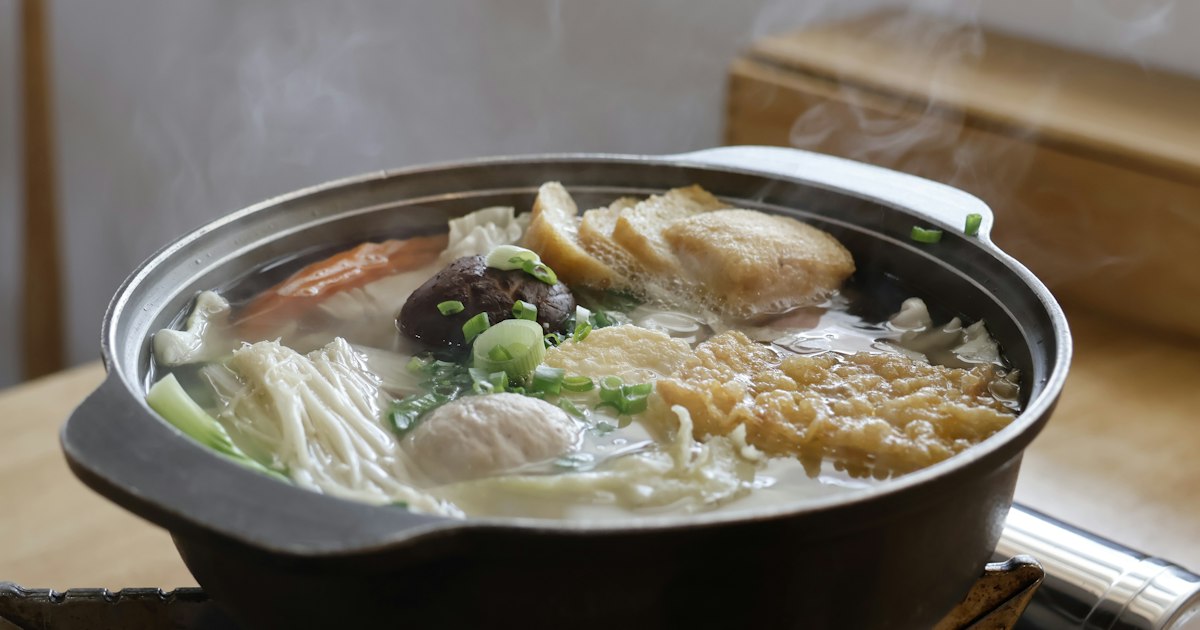
If you spot “snapping turtle hot pot” on a Japanese menu and feel a jolt of alarm, relax — and also get curious. Suppon (スッポン) is one of Japan’s oldest stamina foods, served in simmering nabe pots at specialty restaurants that have been doing little else for generations. It isn’t on every tourist’s radar, but for travelers who want to eat the way regulars do in winter, it’s one of the most distinctive meals in the country.
What Suppon Actually Is
Despite the common English translation “snapping turtle,” suppon is a Chinese softshell turtle (Pelodiscus sinensis), not a member of the snapping turtle family found in North America. The two aren’t related, and the mix-up matters practically: Japan does have a real invasive snapping turtle problem in ponds and rivers, which is a completely separate issue from the farmed softshell turtle that ends up in your dinner bowl. The suppon served at restaurants is raised on turtle farms, not caught wild, so there’s no conservation concern with ordering it.
The meat is lean, slightly gelatinous around the shell cartilage, and prized for its rich, collagen-heavy broth rather than for a strong “turtle” flavor. Most first-timers say it tastes closer to chicken or soft-shelled crab than anything exotic.
How It’s Served: Nabe, Soup, and Sake
The signature dish is suppon nabe: turtle meat, shell cartilage, and sometimes liver simmered tableside in a dashi-based broth with tofu, mushrooms, and leafy greens, finished with a splash of sake. Many kaiseki-style suppon courses end the meal with rice or noodles cooked directly in the leftover broth (zousui or udon), which by that point has reduced into something close to a savory, collagen-rich consommé.
Other common preparations include suppon jiru, a simpler soup version sold at casual spots without the full course production, and suppon sake — warm sake mixed with a small amount of the turtle’s blood, a tradition dating back centuries and still offered (optionally) at old-school establishments as a stamina booster. Some specialty chefs also serve a thin raw cut similar to sashimi, though this isn’t standard and depends on the restaurant’s expertise in handling the animal fresh.
Best Season to Eat Suppon
Suppon is classified as a warming, stamina food, which puts it squarely in winter dining — roughly December through February is peak season, when restaurants build entire kaiseki menus around it and diners order it specifically to fight the cold. Because the turtles are farm-raised, many restaurants serve it year-round, but the atmosphere (and the demand) is strongest in the cold months, which is also when broth-based nabe cooking generally dominates Japanese menus. If you’re visiting in summer, you’ll still find it at dedicated specialty restaurants, just without the seasonal fanfare.
Where to Try It
Suppon isn’t an everyday izakaya item — it’s concentrated in a specific type of restaurant:
- Specialty suppon restaurants (専門店): Tokyo’s Nihonbashi and Ningyocho neighborhoods have several long-established houses that have served little besides suppon courses for 50–100+ years. These are reservation-only, dinner-focused restaurants typically open around 17:00–22:00, often closed one day a week (commonly Sunday or Monday), and best booked a few days ahead, especially for weekend dinners in winter.
- Ryotei and kappo restaurants in Kyoto and Osaka: During winter kaiseki season, suppon frequently appears as one course within a multi-course set rather than the headline dish — a good entry point if you want to try it without committing to a full turtle-only menu.
- Production regions: Shizuoka Prefecture (notably around Hamamatsu, already famous for eel farming) and Oita Prefecture in Kyushu are Japan’s best-known suppon farming areas, and local restaurants near the farms tend to offer it at lower prices than Tokyo’s old-guard specialty houses.
Access to these restaurants is usually straightforward by train — Nihonbashi and Ningyocho stations sit on the Tokyo Metro Hibiya and Toei Asakusa lines — but the restaurants themselves are often in quiet backstreets rather than station-front locations, so allow a few extra minutes to find the entrance.
Budget, Mid-Range, and Splurge
Suppon dining spans a wide price range:
- Budget (¥800–1,500): A bowl of suppon jiru at a casual restaurant or izakaya that offers it as a single seasonal item, no reservation needed.
- Mid-range (¥4,000–8,000): Lunch set courses at specialty restaurants, which usually include a smaller nabe portion plus rice or noodles, and are far easier to book same-day than dinner.
- Splurge (¥10,000–25,000+ per person): A full multi-course dinner at an old-established suppon specialty restaurant, often including the nabe, soup, suppon sake, and a rice-finish course. Private rooms and omakase-style courses push toward the higher end.
Prices aren’t posted prominently on every website, so it’s worth confirming the course price when you call or book — some restaurants quote per-person minimums for dinner seating that aren’t obvious from an English-language search.
Common Mistakes First-Timers Make
A few things trip up visitors who haven’t done this before:
- Walking in without a reservation. Specialty suppon restaurants are small, often family-run, and routinely full on winter weekends. Call or book online a few days out.
- Expecting a gamey or “wild” flavor. Because the broth and collagen are the point, suppon tastes more subtle and savory than its reputation suggests — don’t go in braced for something shocking.
- Skipping the rice-finish course. If zousui or noodles cooked in the leftover broth are offered at the end, take it — it’s often considered the best part of the meal.
- Confusing it with the invasive snapping turtle issue. Farmed suppon for food and wild snapping turtles in Japanese waterways are unrelated; no one is eating the invasive species.
- Assuming it’s available everywhere. Unlike ramen or sushi, suppon is a niche specialty — you need to seek out the right restaurant type rather than expect to stumble on it.
If you’re building out a broader list of acquired-taste Japanese foods to try, suppon pairs well with other adventurous options like shirako, and it makes an interesting seasonal counterpoint to Kyoto’s warm-weather kawadoko riverside dining — one is a midsummer cooling ritual, the other a deep-winter warming one. For travelers who gravitate toward hearty, no-frills regional dishes in general, it’s worth putting alongside something like Toyama’s black ramen on a cold-weather food itinerary.
Booking Tips
Most specialty suppon restaurants have limited English support, so a phone reservation through your hotel concierge or a Japanese-language booking site is the most reliable approach; some larger establishments in Tokyo now accept online reservations in English. Arrive on time — tardiness at small, reservation-based restaurants in Japan is treated more strictly than at casual dining spots — and expect the meal to run long, often 90 minutes to two hours, since nabe is cooked and eaten in stages rather than served all at once.