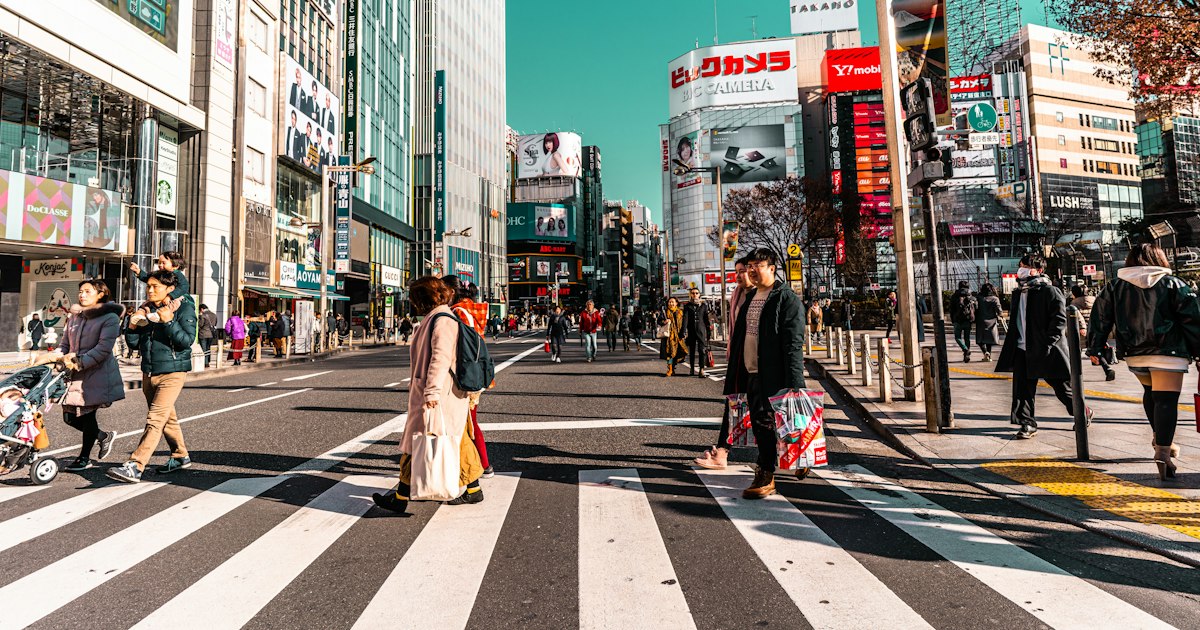
Photo by Jezael Melgoza on Unsplash
If you’ve wandered through Harajuku, Daikanyama, or the backstreets of Shinsaku-bashi and noticed racks of beautifully curated clothing that mix Japanese labels with Scandinavian knitwear, Americana workwear, and French basics all under one roof, you’ve stumbled into Japan’s “select shop” culture. Beams, United Arrows, and Journal Standard are the three giants of this world, and understanding how they work will save you money, time, and a lot of confused browsing.
What Is a “Select Shop,” Exactly?
In Japan, a “select shop” (セレクトショップ) is a multi-brand boutique where in-house buyers hand-pick items from dozens of outside labels and mix them with the store’s own private-label line. This is different from a department store (which rents out branded corners to individual companies) and different from a single-brand flagship. Beams, United Arrows, and Journal Standard each operate this way, which is why one visit can net you a Margaret Howell coat, a Japanese-made oxford shirt, and a pair of New Balance sneakers made specifically for that chain — all rung up at the same register.
Each company also runs sub-labels with distinct personalities, so it’s worth knowing the difference before you shop:
- Beams — the most youth-oriented and eclectic. Sub-lines include Beams Plus (classic American/Ivy style), Beams Boy (women’s menswear-inspired), and Beams Japan (a Tokyo tourist-friendly flagship heavy on Japanese craft and pop culture collabs).
- United Arrows — more polished and business-adjacent, popular with Japanese office workers. Its diffusion lines, UA Green Label Relaxing and Beauty & Youth, skew more casual and younger respectively.
- Journal Standard — leans French-American vintage and workwear, generally the most affordable of the three, with a strong following among Japanese 20-somethings who want a “thrifted but put-together” look.
Where to Go: The Flagships Worth Your Time
Beams Japan (3-25-15 Jingumae, Shibuya-ku) sits right on Jingumae-dori between Harajuku and Omotesando Stations, about a 5-minute walk from either. It’s open daily 11:00–20:00 and is the single best stop for visitors — five floors covering menswear, womenswear, a record shop, a sake and craft goods corner, and rotating collaborations with artisans from around Japan (think indigo-dyed workwear from Okayama or ceramics from Mashiko). Expect T-shirts from roughly ¥5,500, Japanese-made chino pants around ¥16,500–¥22,000, and collab sneakers that can run ¥20,000–¥35,000.
United Arrows’ flagship is in Minami-Aoyama (5-5-3 Minami-Aoyama), a 7-minute walk from Omotesando Station (exit A5). Open 11:00–20:00. This is the place to see the brand’s tailoring at its best — sport coats generally ¥38,000–¥65,000, dress shirts ¥12,000–¥18,000. If you want a genuinely custom piece rather than off-the-rack, pair a visit here with a stop covered in our guide to bespoke tailoring in Tokyo, since several Tokyo ateliers work in the same Aoyama/Ginza orbit.
Journal Standard has its main flagship in Daikanyama (Tenmaei Building, 17-10 Sarugakucho), a 10-minute walk from Daikanyama Station on the Tokyu Toyoko Line, open 11:00–20:00. Prices are friendlier here — flannel shirts around ¥9,900, chinos ¥13,000–¥16,500 — and the Daikanyama neighborhood itself is worth an afternoon, with independent cafes and bookshops nearby.
Budget, Mid-Range, and Splurge
All three chains actually span a wide price range depending on which sub-label and whether an item is private-label or an outside brand they’re carrying:
- Budget (¥3,000–¥9,000): Private-label basic tees, socks, tote bags, and small leather goods. Beams Plus and Journal Standard’s house lines are the cheapest entry points.
- Mid-range (¥10,000–¥30,000): Most outerwear, knitwear, and tailored trousers from the house labels fall here. This is where most visitors end up spending.
- Splurge (¥40,000+): Imported designer pieces the buyers have curated — a Barbour jacket at United Arrows, a Nanamica collaboration at Beams, or limited-run sneaker collabs that can exceed ¥50,000 and sell out within hours of release.
Tax-Free Shopping and Sizing
All three chains’ larger stores offer duty-free tax exemption for tourists on purchases over ¥5,000 (pre-tax) in a single day at a single store — bring your passport, and the discount is applied at checkout rather than refunded later, which is simpler than department store counters. Note that smaller neighborhood branches sometimes lack a tax-free counter, so if you’re planning a big purchase, confirm the flagship or a major mall location (Shibuya, Shinjuku, or Ginza branches) handles it on-site.
Sizing is the biggest practical headache for foreign shoppers. Japanese select shops size to the Japanese body, which generally runs slimmer and shorter in the sleeve/inseam than American or European sizing. A “L” at Beams or United Arrows often fits like a US “M.” Always try before you buy — fitting rooms are standard — and don’t assume your home size translates directly. Outerwear and knitwear in particular come up short in the arms for many Western body types.
Best Timing and Common Mistakes
Japan’s two major sale seasons are early January (New Year sales, often 30–50% off) and late June to July (summer clearance ahead of the next season’s stock). Visiting during these windows can make the splurge-tier items feel mid-range. Avoid the last week of December and the first few days of January if you dislike crowds — stores are busy with New Year’s “fukubukuro” (lucky grab bags), which are fun to buy but mean long lines.
The most common mistake visitors make is treating these stores like fast fashion and rushing through — the real value of a select shop is in the curation, so slow down and ask staff (many speak at least basic English in flagship stores, especially in Harajuku and Omotesando) what’s exclusive to that location versus available nationwide. A second mistake is skipping the private-label sections for the recognizable imported brands; the house lines are usually the better value and the reason locals shop there in the first place. Finally, don’t buy formal pieces assuming they’ll work for Japanese event dress codes — if you need something for a wedding or formal occasion while you’re here, it’s worth checking what to wear as a guest at a Japanese wedding or simply using a rental formal wear service rather than guessing at a select shop rack.
Getting There and Making a Day of It
Harajuku, Omotesando, and Aoyama are all walkable from each other, so a single afternoon can cover Beams Japan, United Arrows’ flagship, and the boutiques of Cat Street in between — budget 3–4 hours if you intend to actually try things on. Daikanyama for Journal Standard is a short hop from Shibuya (one stop on the Toyoko Line, or a 20-minute walk) and pairs well with a coffee-shop-hopping afternoon rather than a rush. If you’re short on time, Shibuya’s Shibuya Scramble Square and Shinjuku’s Lumine department stores carry smaller branches of all three chains, letting you compare them side by side without crossing the city.